Introduction
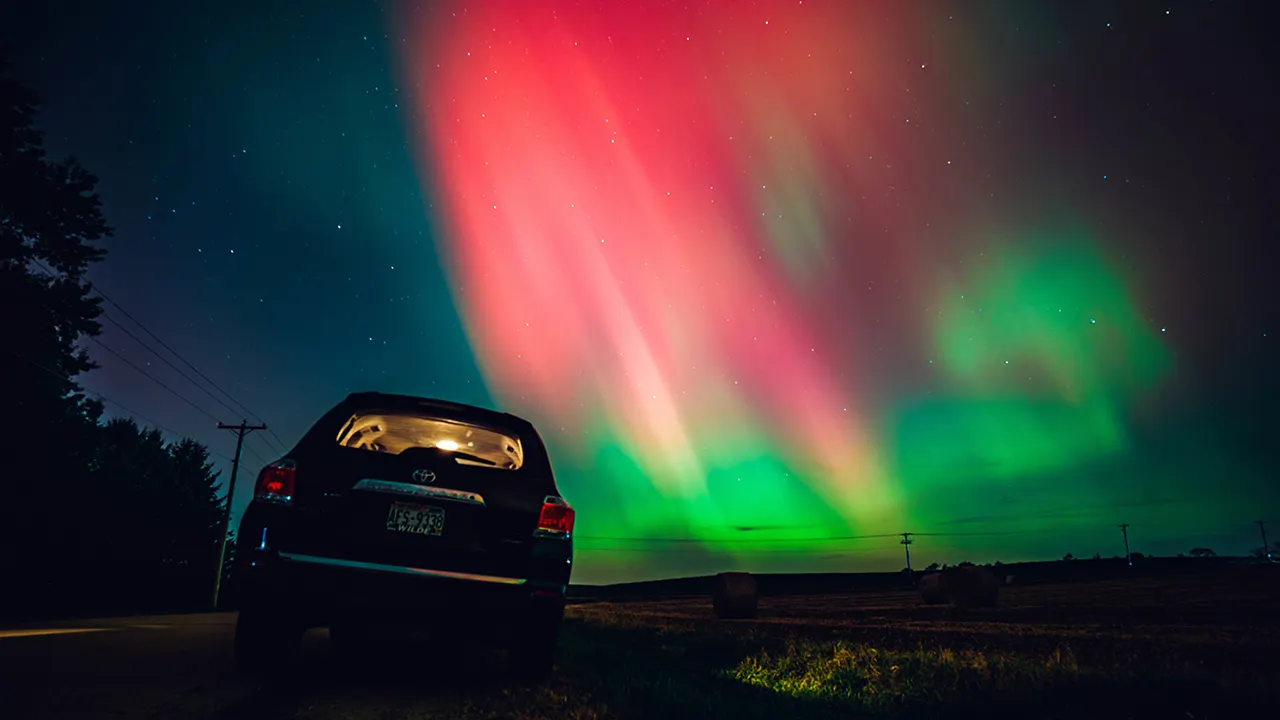
The Northern Lights, also known as the Aurora Borealis, is a mesmerizing natural phenomenon that captivates millions each year. These vibrant displays of colored light are not only breathtaking but also a significant attraction for tourists and researchers alike. Understanding the forecast for the Northern Lights is crucial for anyone hoping to catch a glimpse of this awe-inspiring spectacle.
Current Conditions and Forecast
As of October 2023, experts from the NOAA’s Space Weather Prediction Center have released updates on solar activity that may enhance the visibility of the Aurora Borealis. Increased sunspot activity has been noted, which can lead to more frequent and intense solar flares. These solar flares can create geomagnetic storms on Earth, greatly amplifying the chances of seeing the Northern Lights in regions where they are typically visible.
Viewing Opportunities
Regions within the Arctic Circle, such as parts of Norway, Sweden, Finland, and Canada, typically offer the best chances for viewing the Aurora Borealis. During the peak months of October through March, the longer nights provide optimal darkness for viewing these lights. The National Oceanic and Atmospheric Administration (NOAA) has predicted a higher-than-average number of geomagnetic storms this winter, making this season particularly promising for aurora chasers.
Advice for Enthusiasts
For those planning to witness the Northern Lights, experts advise keeping an eye on both the 27-day solar cycle and the KP index, which measures geomagnetic activity. A KP index of 5 or higher indicates good visibility for the Northern Lights across larger areas. Websites and mobile apps dedicated to aurora alerts can provide real-time updates that enhance the experiences of viewers.
Conclusion
In conclusion, the forecast for the Northern Lights in the coming months is positive, with increased solar activity leading to a higher likelihood of sightings. For those intrigued by the beauty of this natural phenomenon, now is an opportune time to plan a trip to the north. As we move closer to winter, making use of the available resources and understanding the forecasts will significantly increase the chances of witnessing the spectacular Aurora Borealis.