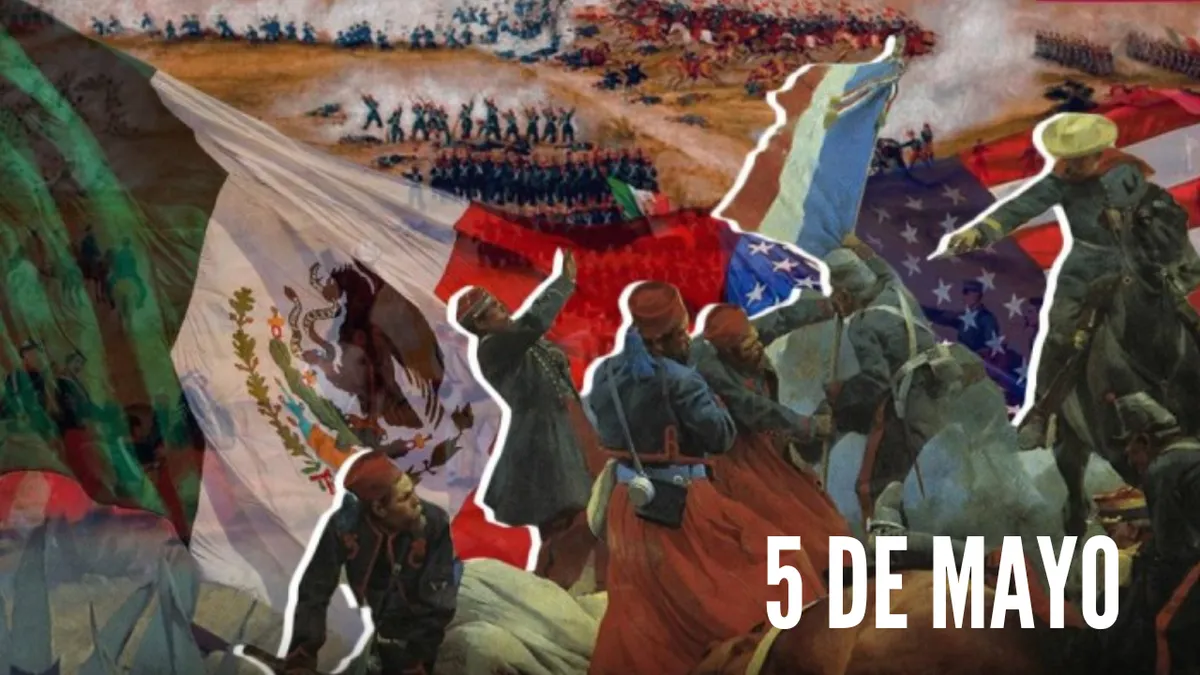
Cinco de Mayo has transformed from a historical commemoration into a vibrant cultural celebration in the U.S., particularly among Mexican-American communities. The date marks the victory of the Mexican army over French forces during the Battle of Puebla on May 5, 1862.
The battle was led by General Ignacio Zaragoza. The Mexican army faced off against French forces seeking to expand their influence in Mexico. The victory at Puebla became a symbol of resistance and fortified national pride.
In the U.S., Cinco de Mayo is not a federal holiday. However, it has evolved into a celebration of Mexican-American heritage and culture. Many Americans mistakenly believe that Cinco de Mayo marks Mexico’s Independence Day, which is actually celebrated on September 16.
Cinco de Mayo celebrations include:
- Parades featuring traditional music and dance
- Festivals with authentic Mexican food
- Community events that highlight Mexican culture
In cities like Los Angeles, Chicago, and Houston, large events attract thousands of attendees each year. Restaurants across the U.S. capitalize on this occasion with special promotions, such as $5 queso bowls at Chuy’s and starting prices for tacos at $2 at various locations.
The Battle of Puebla resulted in significant casualties. The French suffered over 500 casualties while the Mexican forces lost around 100 soldiers. This battle strengthened morale throughout Mexico and became an enduring symbol of resistance against foreign intervention.
The celebration of Cinco de Mayo in the U.S. gained momentum during the 1960s when Chicano activists promoted it as a means to honor their cultural identity. Today, it serves as an important reminder of Mexican heritage and contributions to American society.
No timeline has been shared regarding potential changes to its status as a holiday in the U.S., but celebrations are expected to continue growing in scale and significance.