Introduction
Zion National Park, located in southwestern Utah, is one of the most visited national parks in the United States. Established in 1919, the park is renowned for its stunning rock formations, canyons, and diverse ecosystems. With over 4 million visitors in 2022, Zion represents an important natural resource and a popular destination for outdoor enthusiasts, photographers, and families alike.
Key Attractions
The park encompasses over 146,000 acres of unique terrain, making it a top spot for hiking, climbing, and wildlife observation. One of the most popular trails is the Angels Landing hike, a challenging 5-mile round trip that offers breathtaking views from the summit. For those seeking a more leisurely experience, the Riverside Walk leads visitors along the Virgin River, perfect for enjoying the serenity of the park without strenuous effort.
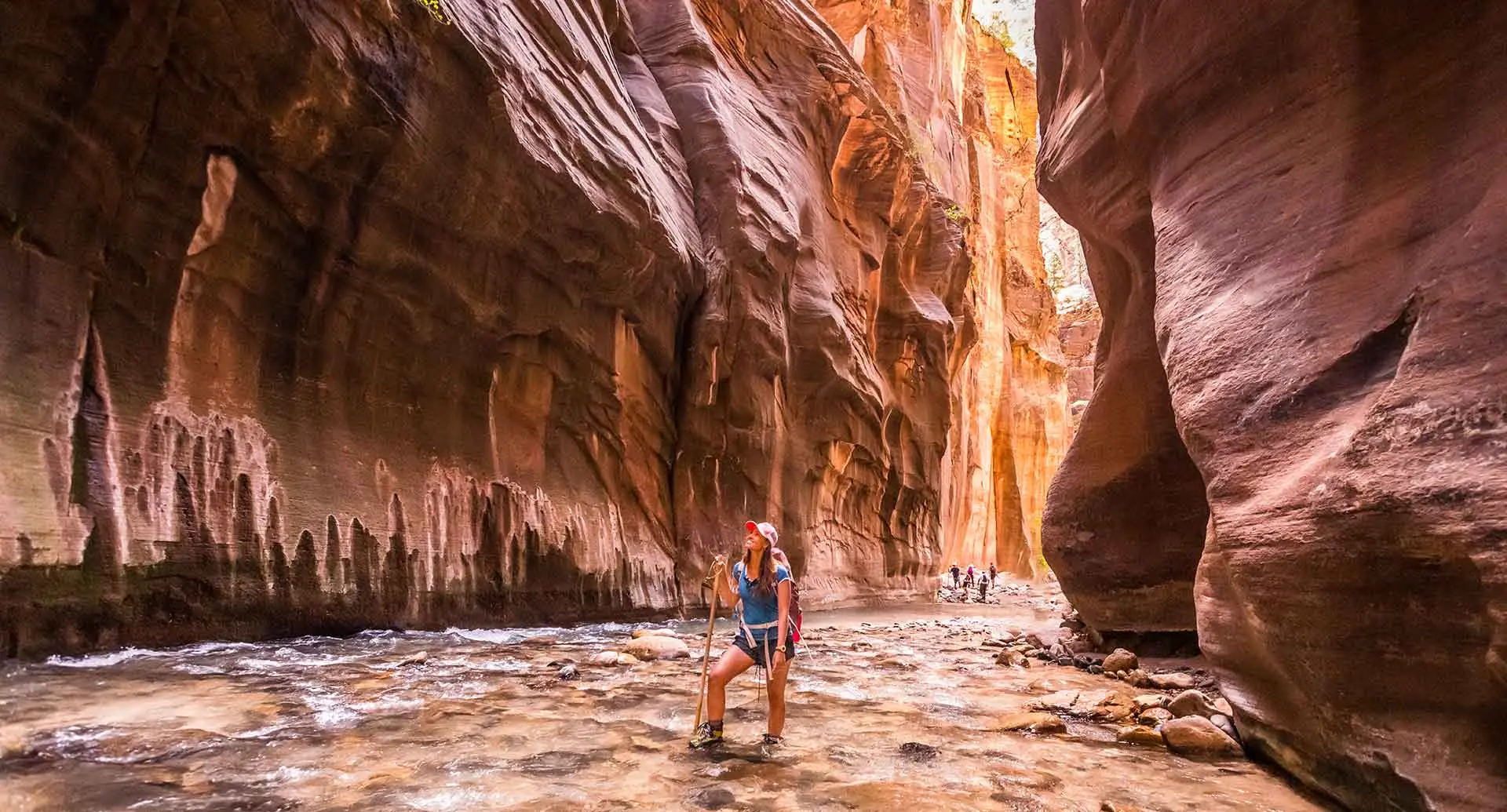
Another highlight is The Narrows, where adventurers can hike through the Virgin River carved into the rock. This iconic slot canyon offers a unique experience, especially when the water levels allow for safe passage. The scenic drive through the park also provides stunning views of the majestic Zion Canyon, formations like the Court of the Patriarchs, and the emerald waters of the Virgin River.
Conservation Efforts
Zion National Park not only attracts visitors but is also a site of significant conservation efforts. As climate change poses threats to ecosystems, park officials are actively working to preserve the natural beauty and biodiversity that define Zion. Initiatives include habitat restoration, invasive species management, and educational programs to raise awareness about the delicate balance of the park’s environment.
Visitor Information
For those planning a visit, Zion National Park offers a variety of amenities, including campgrounds, ranger-led programs, and visitor centers. The park’s main season runs from spring through fall, with peak visitation occurring in the summer months. Reservations for accommodations and shuttle services are highly recommended during this time, as the park can become very crowded.
Conclusion
In summary, Zion National Park is not just a paradise for adventure seekers but also a vital ecosystem requiring ongoing protection and preservation. As visitors flock to experience its natural wonders, it is crucial to promote stewardship and respect for the land. Looking ahead, Zion will continue to captivate generations, providing a space for recreation, education, and conservation. Whether you’re an avid hiker or a casual visitor, Zion National Park is an unforgettable destination that highlights the splendor of the American wilderness.