Introduction
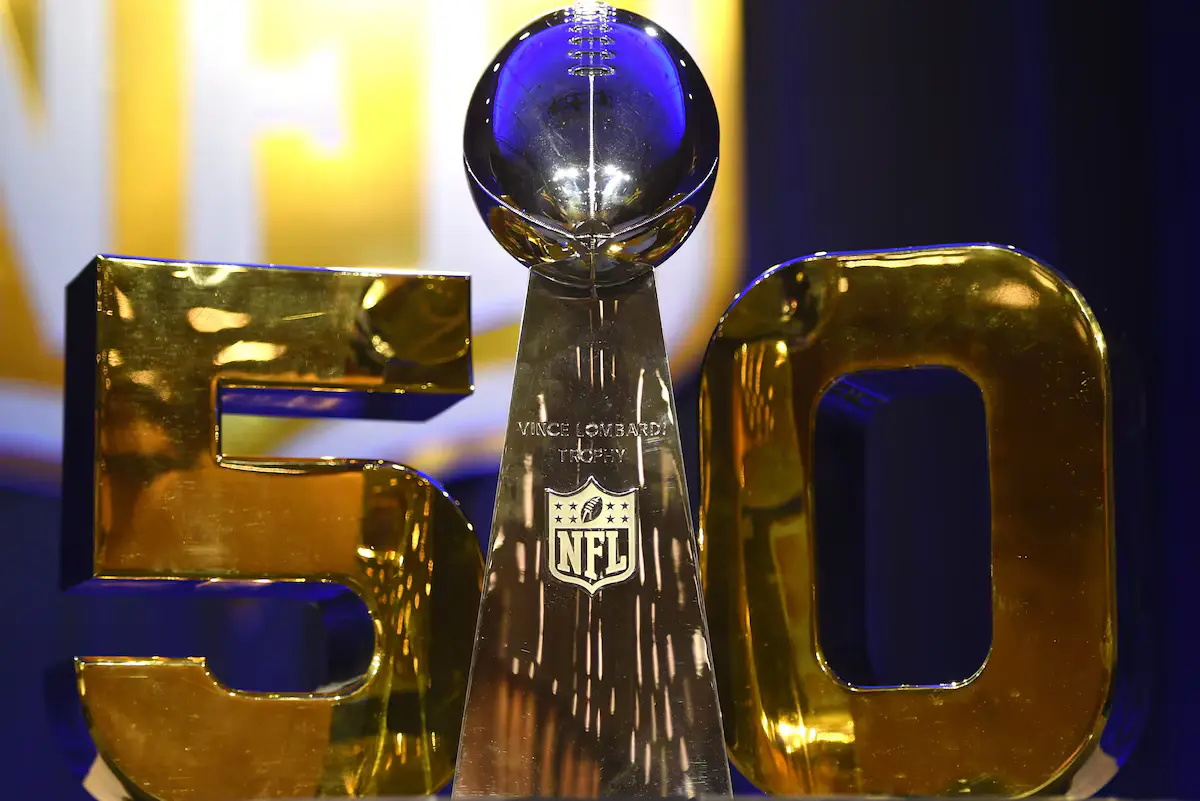
Super Bowl 50, held on February 7, 2016, at Levi’s Stadium in Santa Clara, California, marked a landmark moment in NFL history, celebrating 50 years of the championship game. This event was not only an exhilarating face-off between the Denver Broncos and the Carolina Panthers but also a cultural phenomenon that captivated millions of fans worldwide. The significance of Super Bowl 50 lies in its unique identity and the memorable moments it created, making it a pivotal event in both sports and entertainment.
Commemoration and Significance
With the NFL celebrating its golden anniversary, Super Bowl 50 featured a plethora of special elements designed to honor the past. The league acknowledged former greats, showcasing memorable plays and announcing the NFL’s All-Time Team. Additionally, the halftime show brought together major artists, including Coldplay, Beyoncé, and Bruno Mars, adding to the star-studded nature of the game. The combination of competitive spirit and entertainment created a lasting impression that has kept fans talking even years later.
The Game Itself: A Showdown of Titans
The game featured the number one seeds from the AFC and NFC, the Denver Broncos under quarterback Peyton Manning and the Carolina Panthers led by MVP Cam Newton. In a tightly contested match, the Denver Broncos emerged victorious, defeating the Panthers 24-10. Manning’s farewell victory added an emotional layer to his illustrious career, further establishing his legacy in the sport. The Broncos’ defense played a key role, with Von Miller being named Super Bowl MVP for his extraordinary performance, including two sacks and two forced fumbles.
Memorable Moments and Cultural Impact
Super Bowl 50 left an indelible mark in terms of memorable moments, from thrilling plays on the field to poignant tributes off it. The game underscored the importance of teamwork, resilience, and the spirit of competition. Beyond the sport, the Super Bowl showcased powerful advertisements that captured viewer attention, with brands like Budweiser and Audi unveiling social messages that resonated with current events of the time. These ads played a crucial role in elevating the Super Bowl experience, turning it into a celebrated annual event.
Conclusion
Reflecting on Super Bowl 50, it is clear that the event transcended the confines of a standard championship game. It served as a celebration of football history, a platform for artistic expression, and a demonstration of sportsmanship. As years pass, Super Bowl 50 stands as a testament to the enduring impact of sports culture in America. Fans eagerly await future Super Bowls, hoping to see challenges that command attention and unify spectators in the same manner as this memorable game did.