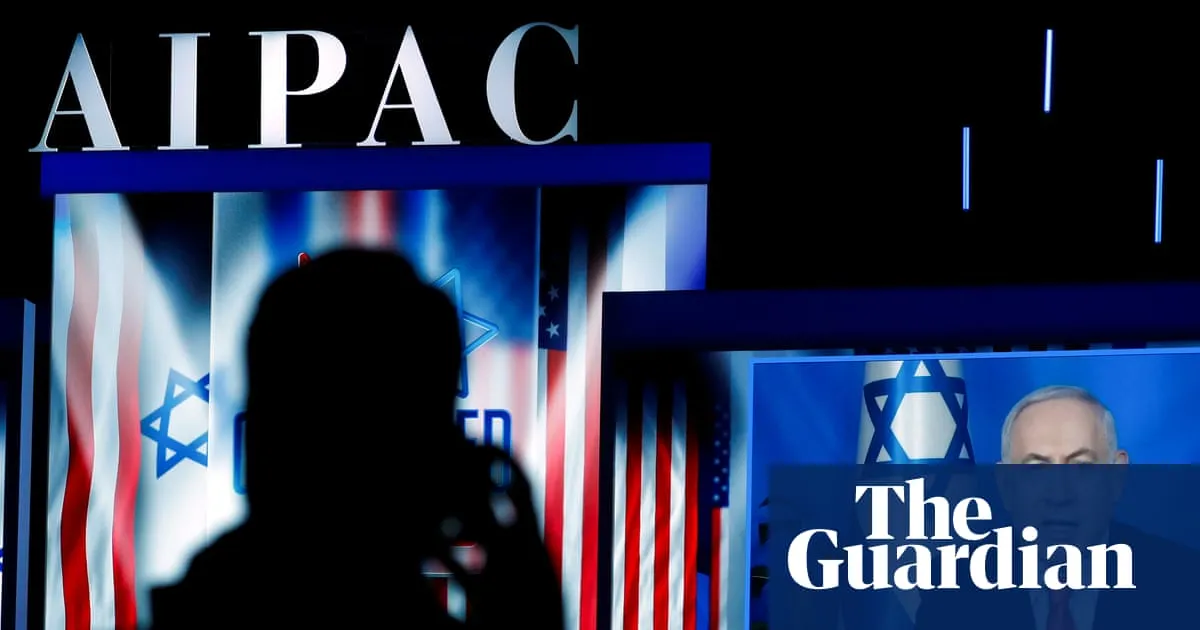
AIPAC has historically supported Israel and has been a powerful lobbying force in Washington. Recently, the organization has intensified its efforts in Illinois, spending at least $13.7 million across four races in the state. This surge in financial backing comes as AIPAC prepares for the 2026 midterms, declaring a substantial $96 million war chest to influence key elections.
In a notable development, AIPAC-aligned groups have begun attacking Daniel Biss, a candidate in Illinois, with significant financial resources. Specifically, the super PAC Elect Chicago Women has spent $1.4 million targeting Biss, while other AIPAC-affiliated entities have reportedly spent an additional $6 million against him. This aggressive strategy reflects AIPAC’s commitment to shaping the political landscape in favor of candidates who align with its pro-Israel agenda.
In contrast, AIPAC has also been active in New Jersey, where it spent roughly $2 million attacking Tom Malinowski, highlighting its strategy of targeting candidates perceived as opposing its interests. This approach has drawn criticism from various quarters, with observers noting that AIPAC’s tactics may overshadow the messages of the candidates it supports.
David Axelrod, a prominent political strategist, commented on the situation, stating, “If people recognize the source as AIPAC by another name, the tactics and funder of the ads may overwhelm their message and wreck their intended beneficiary.” This sentiment underscores the potential backlash candidates may face when associated with AIPAC’s financial influence.
Moreover, Junaid Ahmed, a political figure, expressed concern over the implications of AIPAC’s spending, stating, “They’ll spend big money now and then expect my opponent to send billions in aid and weapons to Israel when she’s in Congress.” Such statements reflect a growing awareness of the financial dynamics at play in these elections.
Critics of AIPAC’s influence have pointed out that the organization is making it clear that any candidate who supports Palestinian rights is likely to be targeted. Beth Miller, an advocate for Palestinian rights, remarked, “AIPAC is making it very clear that if you support Palestinian rights at all, and you’re a possible contender, then you’re on their list.” This highlights a significant shift in the political discourse surrounding U.S.-Israel relations.
As the elections approach, the impact of AIPAC’s spending and strategies will likely continue to unfold. Observers are keenly watching how these developments will influence voter sentiment, particularly in districts where a notable percentage of the electorate, approximately 11%, identifies as Jewish.
Jeremy Ben-Ami, a critic of AIPAC, noted, “The center of gravity has shifted away from the black-and-white world of AIPAC and the ‘Israel right or wrong’ policy they promote.” This statement suggests a potential evolution in the political landscape as more diverse perspectives gain traction.
As the situation develops, the implications of AIPAC’s financial maneuvers in Illinois and beyond will be closely monitored, with many anticipating a heated electoral battle in the coming months.