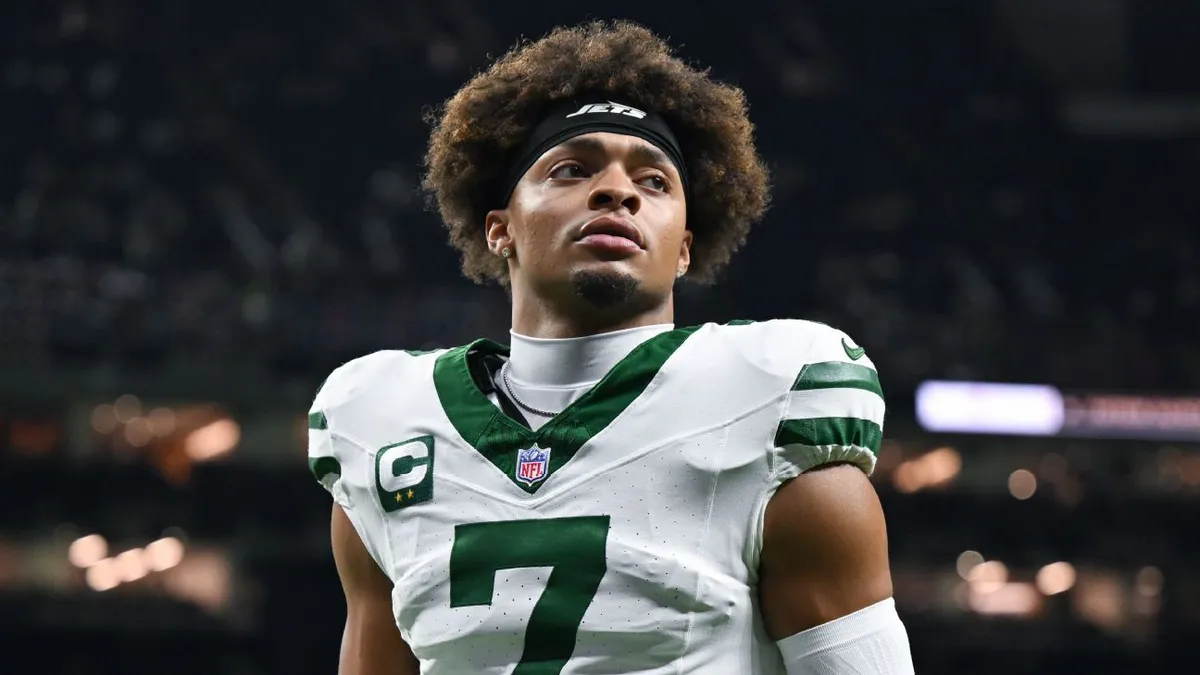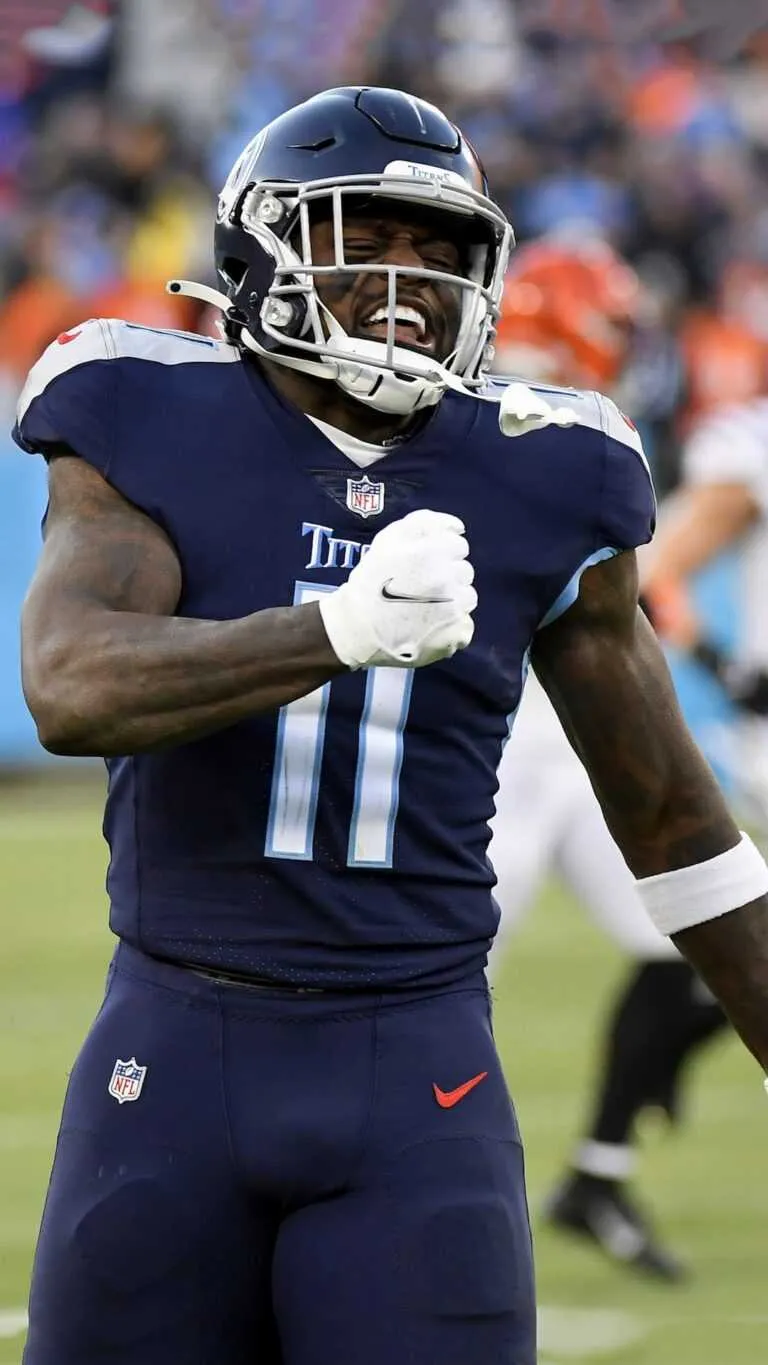
As the NFL offseason progresses, trade discussions surrounding A.J. Brown have gained momentum, particularly following the Miami Dolphins’ recent trade of Jaylen Waddle to the Denver Broncos for multiple 2026 draft picks. This trade has reshaped the wide receiver market, complicating the New England Patriots’ pursuit of Brown.
On March 17, 2026, reports emerged that the Patriots are interested in acquiring A.J. Brown without parting with a first-round pick. However, the Philadelphia Eagles have made it clear that they are not willing to trade Brown at this time, despite multiple conversations with both the Rams and the Patriots.
Eagles’ General Manager Howie Roseman has emphasized that he prefers not to trade Brown unless a fair value is offered. The current asking price for Brown has been legitimized by the recent Waddle trade, which has set a new benchmark for wide receivers.
Should the Eagles decide to trade A.J. Brown before June 1, they would face a significant dead cap charge of $43,515,106. If the trade occurs after June 1, the dead cap hit remains the same, but $27,161,609 would count against the 2027 salary cap, providing some financial relief.
A.J. Brown has established himself as a top receiver since joining the Eagles, earning both All-Pro and Pro Bowl honors while amassing over 5,000 receiving yards. His performance has made him a valuable asset, and the Eagles are understandably cautious about parting with him.
The Patriots, meanwhile, have bolstered their receiving corps by signing Romeo Doubs after releasing Stefon Diggs. However, analysts like Chad Graff suggest that the Patriots are taking a gamble by waiting to trade for A.J. Brown, as they hope to re-engage with the Eagles after June 1 for a more favorable deal.
Graff noted, “If the Eagles trade Brown before June 1, they’d be stuck with more than $20 million in dead cap space.” This situation adds pressure on the Eagles to consider their options carefully.
As it stands, the Eagles are reportedly waiting until after June 1 to trade A.J. Brown, aiming for more cap savings. This timeline could influence the negotiations and the potential for a deal with the Patriots.
The outcome of these trade talks will have significant implications for both the Eagles and the Patriots, as they navigate the complexities of roster construction and salary cap management in the lead-up to the 2026 NFL season.