Introduction
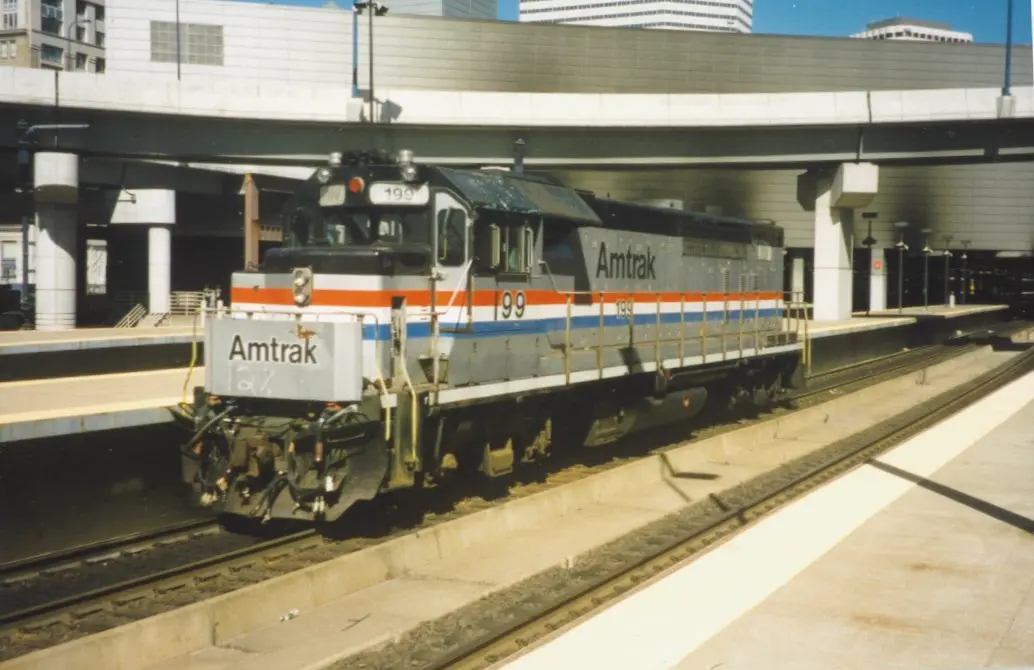
Amtrak, officially known as the National Railroad Passenger Corporation, plays a crucial role in the transportation landscape of the United States. Established in 1971, Amtrak has been vital in providing intercity passenger rail services across the country, connecting cities and communities while offering an alternative to road and air travel. In light of recent developments, the significance of Amtrak has only grown, making it an essential topic of discussion for travelers and policymakers alike.
Current Developments
In 2023, Amtrak has been actively enhancing its services and expanding its reach. The Biden administration has committed substantial funding towards improving the nation’s rail infrastructure as part of a broader transportation strategy. This includes a $66 billion investment plan aimed at modernizing rail lines, improving safety, and increasing the frequency of service on key routes. In addition, Amtrak has begun introducing upgraded passenger trains equipped with modern amenities, promising a more comfortable and efficient travel experience.
The resurgence in popularity of train travel also stems from a growing emphasis on sustainable transportation. With rising concerns over carbon emissions and the environmental impact of travel, Amtrak is positioning itself as an eco-friendlier alternative. Trains produce fewer greenhouse gases per passenger than airplanes and cars, making rail travel an appealing option for environmentally-conscious travelers.
Impact of COVID-19
The COVID-19 pandemic significantly altered travel patterns, and Amtrak was not immune to its effects. Ridership plummeted in 2020; however, as restrictions eased, Amtrak has reported a steady recovery. They have adapted to the new normal by implementing health and safety protocols, such as enhanced cleaning procedures and mask mandates. The return of travelers has sparked a renewed interest in rail travel, with many Americans seeking to explore destinations domestically.
Conclusion
As Amtrak continues to evolve with the times, its importance in intercity transport remains evident. The enhancements in service, the focus on sustainability, and the adaptation to post-pandemic travel behaviors indicate that Amtrak is not just surviving but thriving in a competitive travel market. For travelers looking for a convenient and eco-friendly way to explore America, Amtrak stands out as a compelling option. With ongoing investments and improvements, the future of Amtrak appears promising, making it a key player in the nation’s transportation future.