Introduction
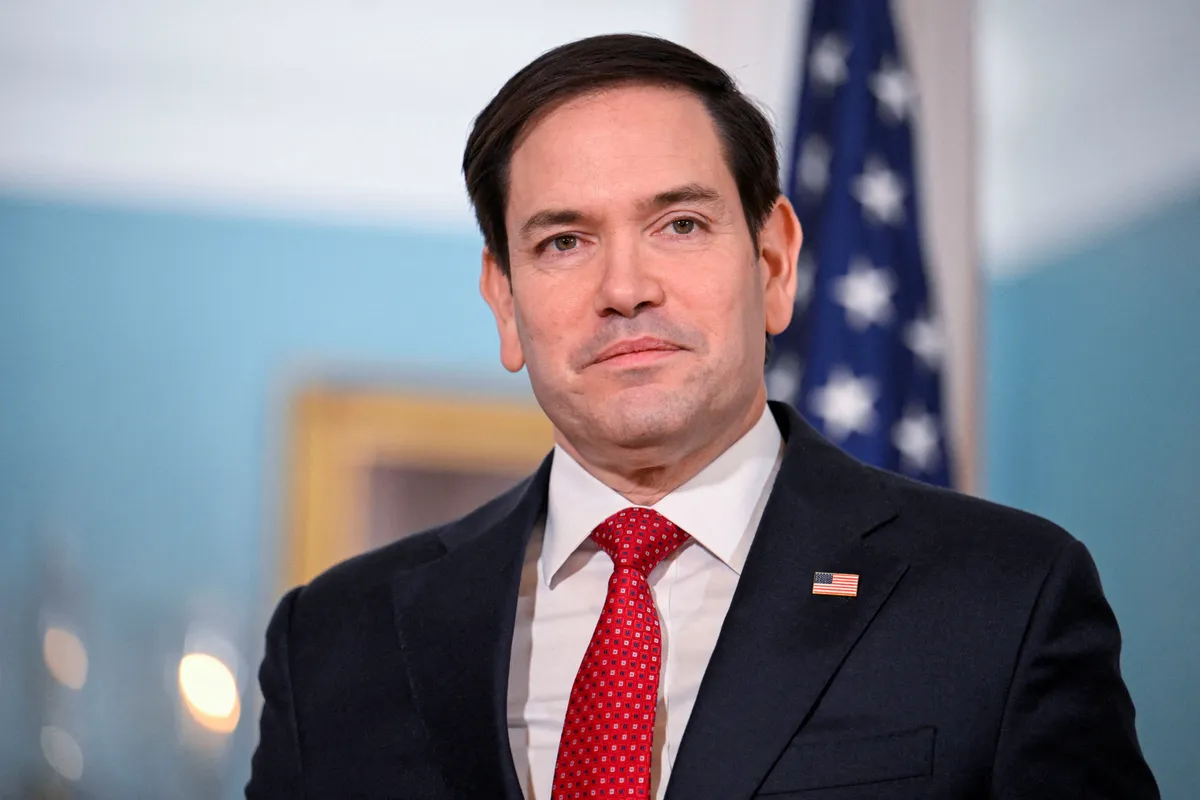
Marco Rubio, a prominent U.S. senator from Florida, has become one of the most recognizable figures in American politics. As a member of the Republican Party and the son of Cuban immigrants, Rubio’s story is not just about his political achievements but also about the diverse narrative of America itself. Currently serving as the senator since 2010, his influence impacts various key issues, from immigration reform to foreign policy.
Background and Early Career
Born on May 28, 1971, in Miami, Florida, Rubio attended the University of Florida and later earned a law degree from the University of Miami. His political career began in the Florida House of Representatives, where he served as Speaker before moving on to the U.S. Senate. His ascent was marked by his charismatic communication style and ability to connect with voters, especially the Hispanic community.
Key Political Issues and Legislative Efforts
Throughout his tenure, Rubio has tackled various critical issues. Notably, he has been a leading voice in immigration reform, advocating for a comprehensive approach that balances enforcement with pathways to citizenship for undocumented immigrants, reflecting his own family’s immigrant background. Alongside his domestic agenda, Rubio also plays a crucial role in foreign policy, particularly regarding relations with Latin America and China.
Recently, Rubio has focused on national security and the challenges posed by the rise of authoritarian regimes globally. He argues for a stronger U.S. presence in international matters and has been an advocate for sanctions against nations like Venezuela and Cuba, where he has family ties. His leadership in the Senate Intelligence Committee highlights his commitment to national security.
Current Events and Challenges
As of late 2023, Rubio is navigating the challenges of the ongoing debates surrounding immigration, economic recovery post-pandemic, and heightened political polarization in the nation. His position as a senator allows him to influence not only Florida politics but also the national conversation. With the presidential elections approaching in 2024, Rubio remains a potential contender or influential supporter of candidates who align closely with his political beliefs.
Conclusion
Marco Rubio’s journey through American politics is reflective of many pivotal themes in the country today. His focus on immigration, national security, and economic policies ensures he remains a significant figure. As political dynamics evolve leading into 2024, Rubio’s role and strategies will be crucial in shaping both local and national outcomes. For readers, understanding Rubio’s impact provides insight into the broader political landscape and the importance of individual leaders in shaping policies that affect millions.