Introduction
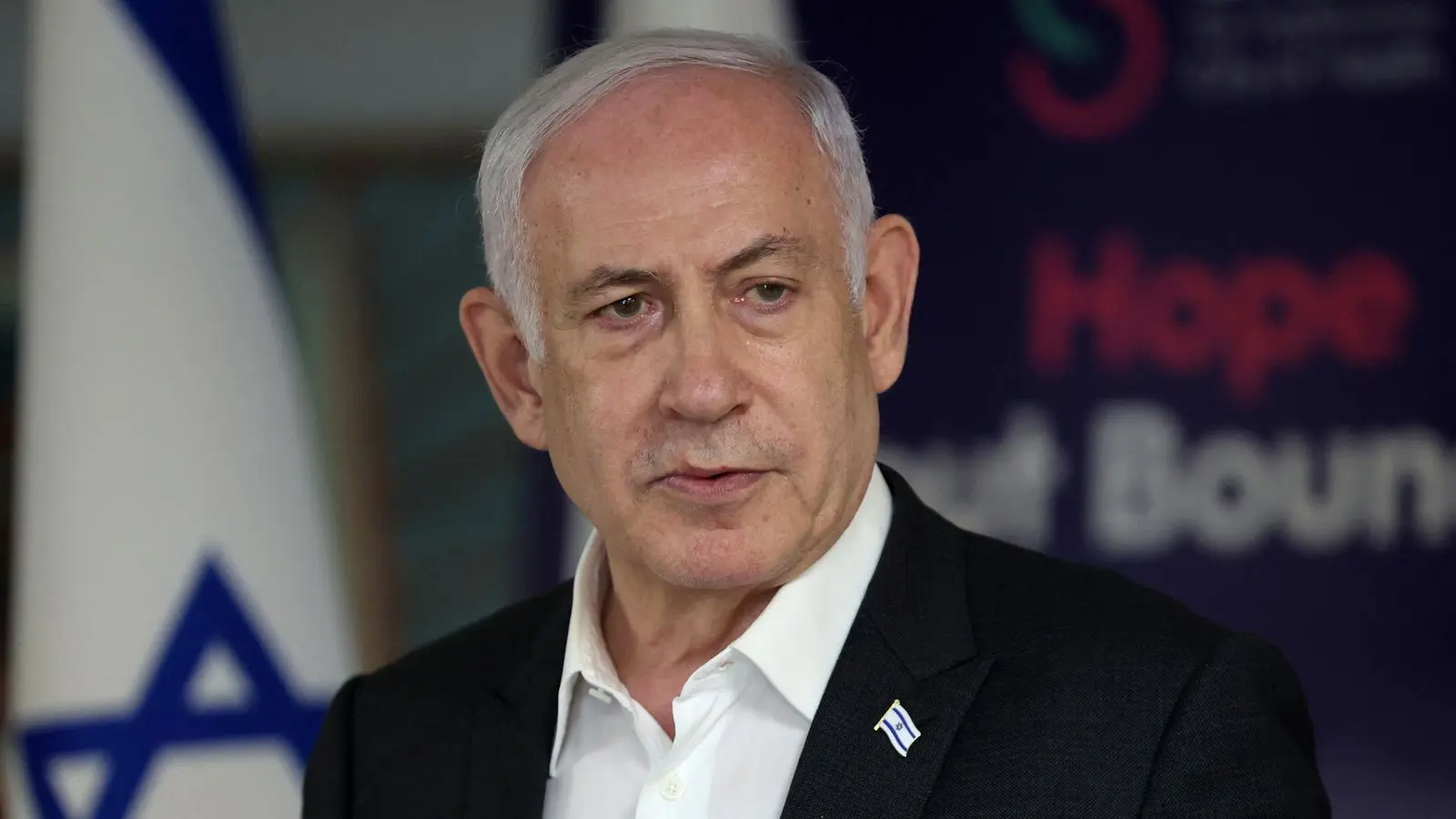
Benjamin Netanyahu, Israel’s longest-serving Prime Minister, has been a pivotal figure in Israeli politics for decades, shaping both domestic and foreign policy. His influence is particularly significant today amid ongoing tensions in the Middle East and political controversies at home. Understanding Netanyahu’s current status and the challenges he faces is crucial for anyone following global politics.
Current Political Climate
As of late 2023, Benjamin Netanyahu’s government is navigating a complex political landscape marked by social dissent over judicial reforms and growing security concerns due to regional threats. The Israeli public has expressed frustration over rising costs of living and increased violence in areas like the West Bank and Gaza Strip. Netanyahu’s coalition, which includes right-wing religious parties, is grappling with internal divisions, complicating efforts to pass legislation.
Judicial Reform and Public Response
One of the most contentious issues under Netanyahu’s leadership has been the proposed overhaul of Israel’s judiciary system. Critics argue that these reforms threaten the independence of the judiciary and democratic governance. In response, massive protests erupted, gathering thousands of citizens who advocate for safeguarding democratic principles. The public’s reaction is emblematic of a broader struggle over the country’s future direction, reflecting deep societal divides.
International Relations
On the international stage, Netanyahu continues to work on strengthening Israel’s ties with key allies, particularly the United States and newly normalized relations with Arab nations. The Abraham Accords, initiated during previous administrations, laid the groundwork for military and economic partnerships, which Netanyahu seeks to bolster amidst rising threats from Iran. However, the ongoing conflict with Palestinian groups presents persistent challenges that test Israel’s diplomatic efforts.
Conclusion
Benjamin Netanyahu remains a central figure in contemporary Israeli politics, with his leadership style and decisions significantly impacting the nation and its place in the world. As he confronts internal disputes over judicial reforms, economic issues, and security threats, the decisions made by Netanyahu and his administration will be crucial in shaping the future of Israel. Observers will be keen to see how these dynamics evolve and what that means for both local and international stability.