Introduction
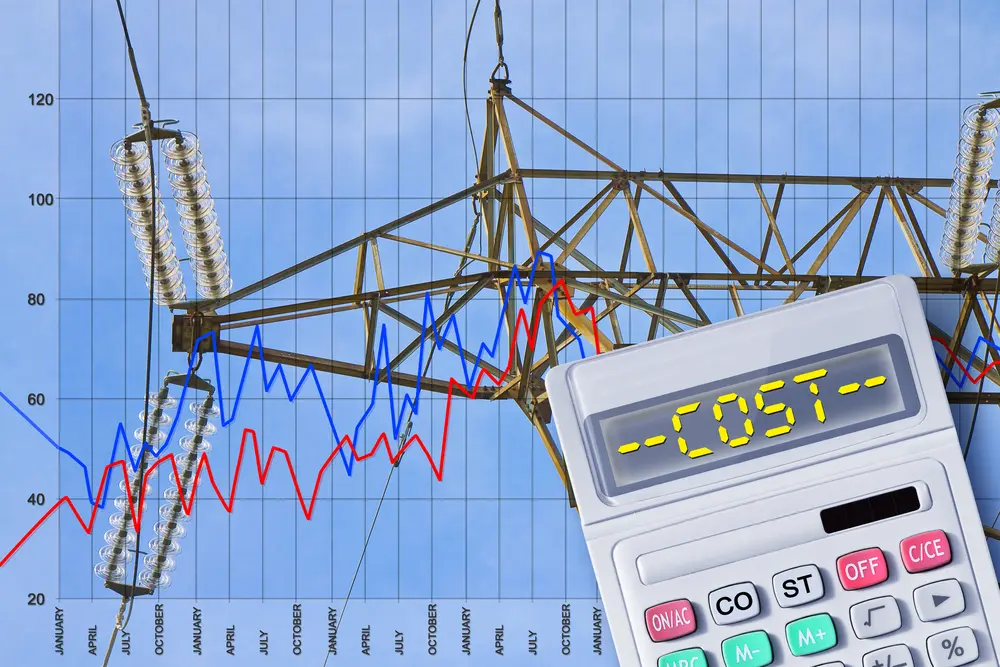
Electricity rates are a crucial aspect of the modern economy, impacting residential, commercial, and industrial consumers alike. With the increasing demand for energy and the ongoing shifts in energy supply due to climate policies, understanding electricity rates has become more important than ever for households and businesses. The current landscape of electricity pricing, particularly as we approach the end of 2023, warrants attention due to significant changes and forecasts for the future.
Current Trends in Electricity Rates
As of late 2023, electricity rates in the United States have witnessed a notable increase. According to the U.S. Energy Information Administration (EIA), the average residential electricity rate has risen to approximately 15 cents per kilowatt-hour (kWh), making it a significant household expense. Several factors contribute to this upward trend, including rising operational costs for utility companies, investments in renewable energy infrastructure, and fluctuations in fossil fuel prices. Moreover, extreme weather patterns have also influenced energy demands and, subsequently, pricing.
Regional Variations
The impact of these changes differs significantly across various regions. For instance, states like California and New York experience higher rates, driven by stricter environmental regulations and investments in green technology. Conversely, Midwestern states tend to have lower rates due to cheaper energy sources, such as coal and natural gas. This disparity emphasizes the importance of understanding localized energy markets, as they directly affect consumer bills.
Future Considerations
Looking ahead, experts predict that electricity rates will continue to fluctuate as the energy landscape evolves. The ongoing transition to renewable energy sources is expected to yield long-term benefits, possibly stabilizing rates in the future. However, short-term disruptions, such as geopolitical tensions and supply chain issues, could lead to continued volatility in pricing.
Conclusion
In conclusion, staying informed about electricity rates is more important than ever for consumers in 2023. The current increases reflect broader trends in energy supply and demand, influenced by regional policies and global market dynamics. As we move forward, understanding these trends can help consumers make informed decisions about their energy usage and budgeting. Awareness and adaptation will be key strategies for navigating the complexities of electricity rates in the coming years.