Introduction
Frankfurt Airport (FRA) stands as one of the busiest and most significant airports in Europe, serving as a key hub for international and domestic flights. With its strategic location in Germany’s financial capital, Frankfurt Airport plays a critical role in global aviation, facilitating millions of passenger movements each year. Understanding the current dynamics of flights operating from this major gateway is essential for travelers, airlines, and stakeholders in the aviation sector.
Current Flight Operations
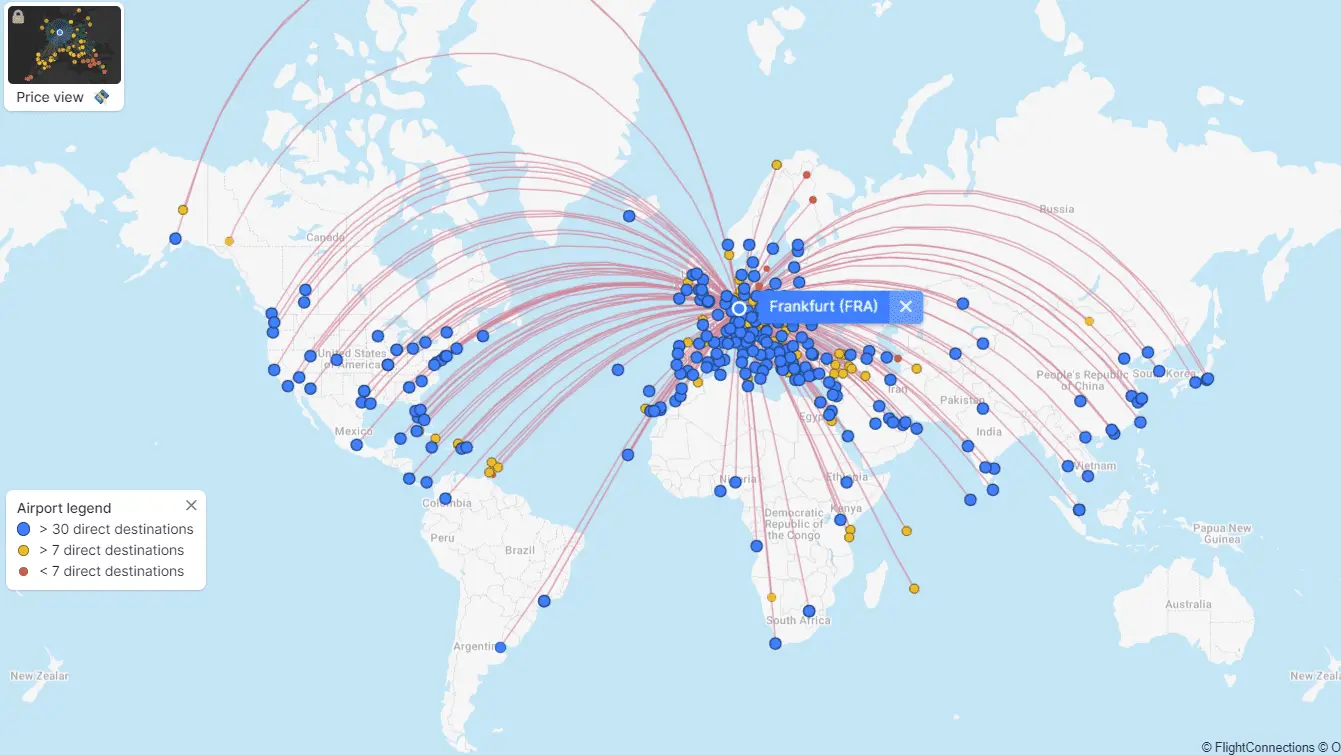
As of October 2023, Frankfurt Airport offers an extensive array of flight options. The airport’s terminals operate a combined total of over 300 destinations in approximately 90 countries, showcasing its vital position in international air travel. With airlines like Lufthansa, which calls Frankfurt home, the airport maintains a high frequency of flights to major cities around the globe, including New York, Tokyo, and London.
Recent developments have seen an increase in both domestic and international flight bookings. According to the latest reports from the Federal Statistical Office, air traffic in Germany has rebounded significantly post-COVID-19, with passenger numbers at Frankfurt Airport recovering to over 80% of pre-pandemic levels. This resurgence is indicative of the global travel industry’s recovery as restrictions ease and demand for travel resumes.
Impacts of COVID-19 on Flight Availability
Throughout the pandemic, Frankfurt Airport faced dramatic reductions in flight availability, leading to numerous cancellations and schedule changes. However, airlines have been gradually restoring their services based on fluctuating demand. Changes in airline partnerships and emerging travel routes have also reshaped the operational landscape, providing new opportunities for travelers to explore diverse destinations.
Future Prospects for Frankfurt Airport Flights
Looking ahead, experts forecast continued growth in passenger numbers and flight operations. Innovations in air travel and enhanced safety measures are expected to further boost traveler confidence. Frankfurt Airport’s management is currently investing in infrastructure improvements, including terminal upgrades and new technology to streamline passenger processing and enhance the overall travel experience.
Conclusion
Frankfurt Airport remains a critical nexus for global air traffic, and the current emphasis on expanding flight options reflects a broader trend within the aviation industry toward recovery and growth. For travelers considering their next journey, keeping an eye on Frankfurt Airport flights will provide valuable insights into available destinations and emerging trends. As travel continues to evolve, Frankfurt is poised to maintain its status as a leading global player in the air transport sector.