Introduction
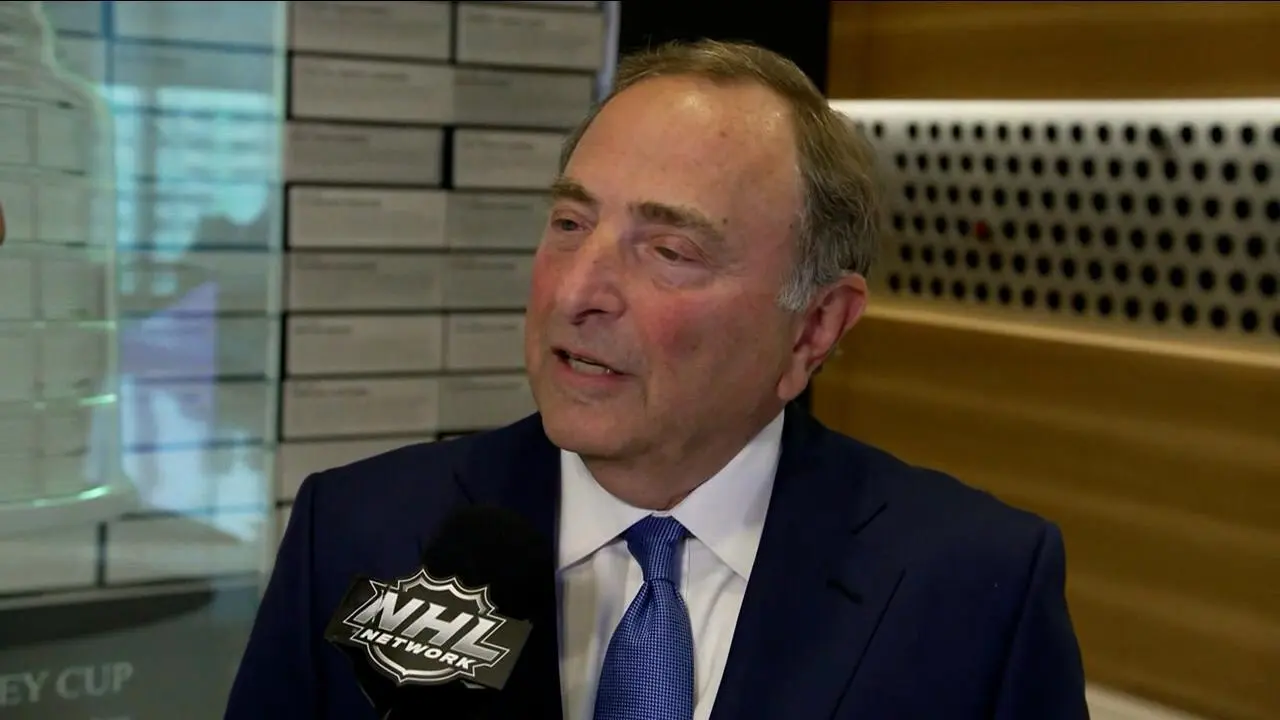
Gary Bettman, the Commissioner of the National Hockey League (NHL), has been a pivotal figure in shaping the landscape of professional hockey. Since his appointment in 1993, Bettman has overseen significant changes within the league, ranging from expansion and economic growth to the evolution of the game itself. His influence has made him one of the most powerful commissioners in sports and a central figure in discussions about the future of the NHL.
Bettman’s Leadership and Controversies
Under Bettman’s leadership, the NHL has expanded from 26 to 32 teams, including the recent addition of the Seattle Kraken in 2021. While this expansion has brought hockey to new markets and increased the league’s revenue, it has also sparked debates regarding the balance of competitive parity and the quality of play. The commissioner has faced criticism for how the league has managed labor negotiations, including the lockouts in 1994-95 and 2012-13, which resulted in shortened seasons. Bettman has emphasized the financial sustainability of the league, asserting that these measures were necessary for the long-term health of the sport.
Economics and Growth of the NHL
Bettman’s tenure has coincided with a dramatic increase in the NHL’s financial footprint. Television deals, including a recent agreement with ESPN and Turner Sports totaling approximately $5 billion over seven years, illustrate the league’s growing appeal. Furthermore, the introduction of outdoor games and the All-Star Game have broadened the NHL’s audience. These events have become significant revenue sources and have helped establish a brand that resonates with fans beyond traditional hockey markets. Bettman’s focus on international growth, particularly in markets like China and Europe, signifies his commitment to expanding hockey’s global presence.
Challenges Ahead
Despite his successes, Bettman faces challenges that could impact the future of the league. The ongoing COVID-19 pandemic has raised questions about the sustainability of attendance and revenues moving forward. Additionally, discussions surrounding player safety, mental health, and diversity have gained prominence, requiring leadership from Bettman and team owners. How the league addresses these issues will be critical for maintaining its growth and ensuring that it remains relevant in an evolving sports landscape.
Conclusion
Gary Bettman’s tenure as NHL Commissioner has been marked by both significant achievements and criticisms. As he navigates the complexities of the modern sports environment, his ability to adapt and respond to current issues will determine not only his legacy but also the future of the NHL. Fans and stakeholders alike are keenly watching to see how Bettman will tackle the challenges ahead, with the hope that his leadership will continue to steer the league toward success.