Introduction
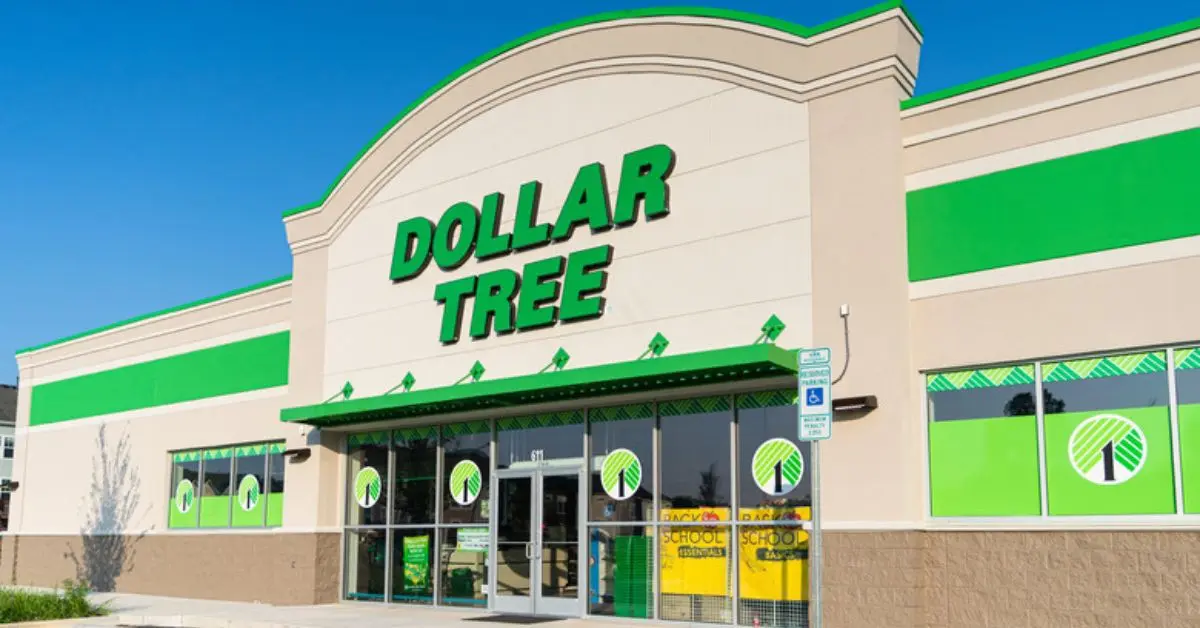
In 2022, Dollar Tree, a leading discount store known for its iconic one-dollar pricing model, made a significant announcement that has reverberated throughout the retail industry: the company will raise its price points from $1 to a range of $1.25 to $1.50 on many products. This shift is essential for understanding the current economic landscape, as it highlights both the challenges faced by retailers and the changing dynamics of consumer spending.
The Shift in Pricing Strategy
The price adjustment at Dollar Tree marks a pivotal moment in the company’s history, as it has traditionally been a one-stop shop for budget-conscious shoppers. The decision arose due to rising costs in supply chains, product sourcing, and inflation that have affected many sectors of the economy. CEO Michael Witynski stated in a recent earnings call, “This price increase allows us to enhance and broaden our product offerings while maintaining value for our customers.” In turn, this reflects a broader trend where even discount retailers are grappling with economic pressures and inflationary trends.
Consumer Reactions
Initial responses from consumers have been mixed. Many loyal customers expressed disappointment over the end of the $1 price point, with some fearing it might change the store’s identity. However, others recognize that inflation has left no choice for retailers but to adapt their pricing structures. According to a survey by the National Retail Federation, 68% of consumers reported they understand the need for price adjustments in the current economic climate.
Impact on the Retail Market
The rise in price points can also have ripple effects throughout the retail market. Competitors such as Dollar General and Family Dollar may feel the pressure to modify their pricing strategies to maintain market share. As the landscape shifts, these companies may need to reconsider their positioning and offerings to ensure they continue to appeal to budget-conscious consumers who are now facing higher prices across the board.
Conclusion
The changes in Dollar Tree’s price points are critically noteworthy, signaling that even the most steadfast discount retailers are compelled to respond to economic realities. Going forward, it will be interesting to observe how Dollar Tree adjusts its product strategy, customer engagement, and marketing to retain loyal customers while attracting new ones. Retail analysts predict that this could either lead to a transformative adaptation for Dollar Tree or result in a pushback from consumers, ultimately influencing purchasing habits in the discount retail sector. In this evolving marketplace, both consumers and retailers must navigate these changes with caution and strategic planning.