Introduction
As one of the leading companies in the technology sector, Meta Platforms, Inc. (formerly Facebook, Inc.) has maintained a significant presence in the stock market. The importance of understanding Meta’s stock price lies not only in its direct impact on investors and stakeholders but also in its reflective nature of broader market trends and shifts in technology adoption. In recent months, Meta’s stock has shown fluctuations influenced by various factors, including earnings reports, regulatory challenges, and market sentiment.
Recent Stock Performance
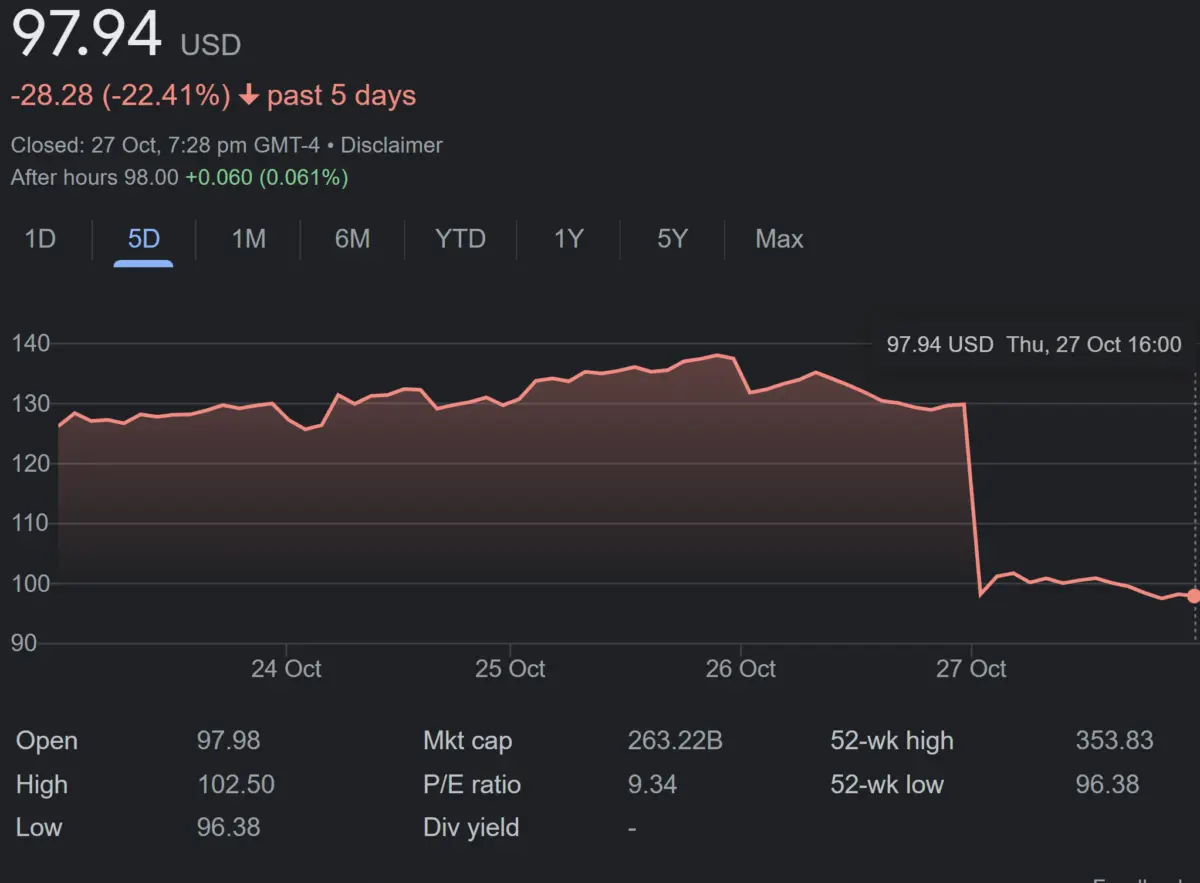
As of late October 2023, Meta’s stock price has been experiencing notable volatility. The stock reached a 52-week high of $350 earlier this month; however, it has since corrected, trading around $315 per share. Analysts attribute the recent decline to mixed reactions from investors after the company’s Q3 earnings report, which, while showing a revenue increase of 22% year-over-year, delivered a cautious forecast for the next quarter.
Meta’s initiatives in the fields of augmented reality (AR), virtual reality (VR), and artificial intelligence (AI) are likely factors driving investor interest. The company’s significant investments in the metaverse have established it as not just a social media giant, but a pioneer in emerging technologies. In light of this, many analysts remain steadfast in their bullish outlook on Meta, predicting that its innovations could lead to substantial long-term growth.
Market Factors Impacting Meta’s Stock
The overall market sentiment surrounding Meta’s growth is influenced by several external factors, including government regulations, competition from other technology firms, and global economic conditions. For instance, increased scrutiny over data privacy issues and digital advertising revenues has heightened concern among investors. Moreover, competitors’ advancements in the AR and VR sectors also present challenges to Meta’s market share.
Additionally, global economic volatility, including inflation rates and interest rate hikes, can shape investor behavior and significantly affect stock prices. As interest rates rise, investments in high-growth stocks like Meta may face downward pressure, and analysts are closely monitoring these economic indicators.
Conclusion
In summary, Meta’s stock price remains a critical indicator of the company’s health, investor confidence, and the technology sector’s direction as a whole. While recent fluctuations present a mixed picture, analysts continue to express cautious optimism about the company’s long-term potential. For investors, understanding the broader economic landscape and ongoing developments at Meta is essential for making informed decisions. As the company progresses with its ambitious projects, stakeholders should stay vigilant to the evolving market dynamics influencing Meta’s stock.