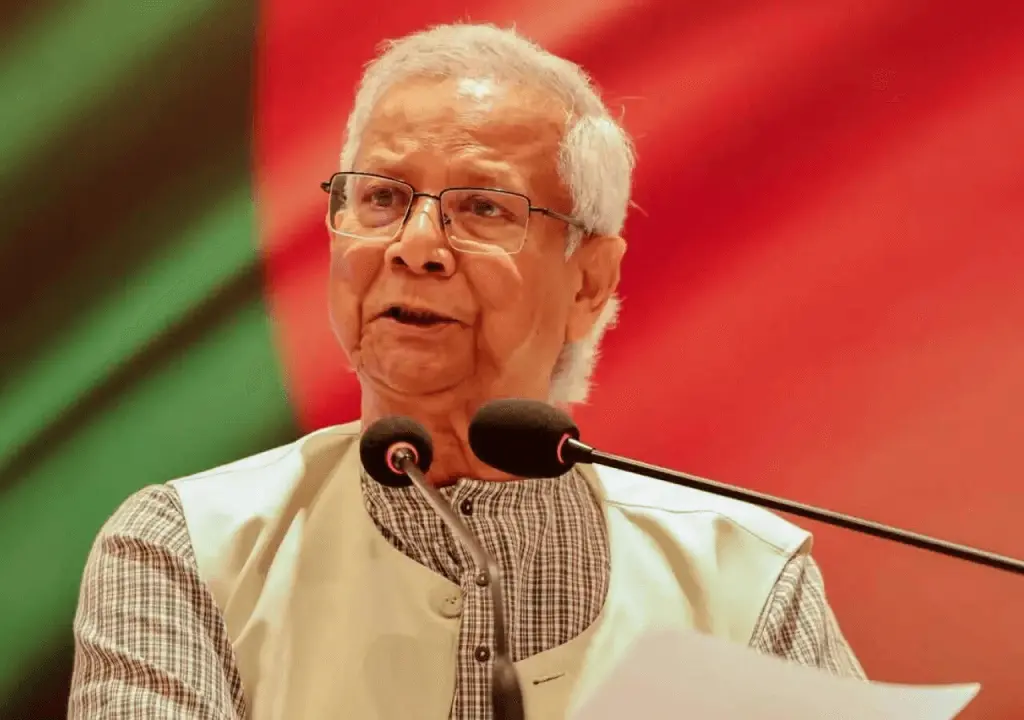
Importance of Bangladesh Election 2026
The upcoming Bangladesh Election 2026 is poised to be one of the most significant political events in the country’s recent history. Set against a backdrop of economic growth, social challenges, and political upheaval, this election could reshape the future of Bangladesh’s governance and democratic practices. With key issues like economic inequality, civil rights, and climate change at the forefront, the stakes could not be higher for voters.
Current Political Landscape
The current political landscape in Bangladesh is largely polarized, dominated by the Awami League (AL), which has been in power since 2009 under the leadership of Prime Minister Sheikh Hasina. The opposition, primarily represented by the Bangladesh Nationalist Party (BNP), has accused the government of authoritarian tendencies and suppressing dissent. As the election approaches, both parties are intensifying their campaigns to secure voter support, amid ongoing controversies surrounding election integrity and governance.
Voter Engagement and Preparation
In preparation for the election, various civil society organizations are working to encourage voter registration and participation, emphasizing the importance of informed decision-making. The Election Commission of Bangladesh has also been actively engaged in the process, aiming to implement new measures to enhance the transparency and fairness of the electoral process. These initiatives are vital in rebuilding trust among citizens who may feel disenfranchised by past electoral controversies.
Forecasting Outcomes
Political analysts predict that the election will largely hinge on how effectively each party can address pressing socio-economic issues and rally their bases. Given the rapid urbanization and youth demographic in Bangladesh, both parties will need to address employment, education, and sustainability to appeal to younger voters. The outcome will undoubtedly shape the policies and political culture of Bangladesh for years to come.
Conclusion
The Bangladesh Election 2026 is set to be a vital crossroads for the nation. With a focus on democratic processes, transparency, and citizen engagement, the outcome will have far-reaching implications for governance and civil rights in Bangladesh. As the country prepares for this crucial electoral event, continued vigilance and active participation from the electorate will be essential in realizing a truly representative government.