Introduction
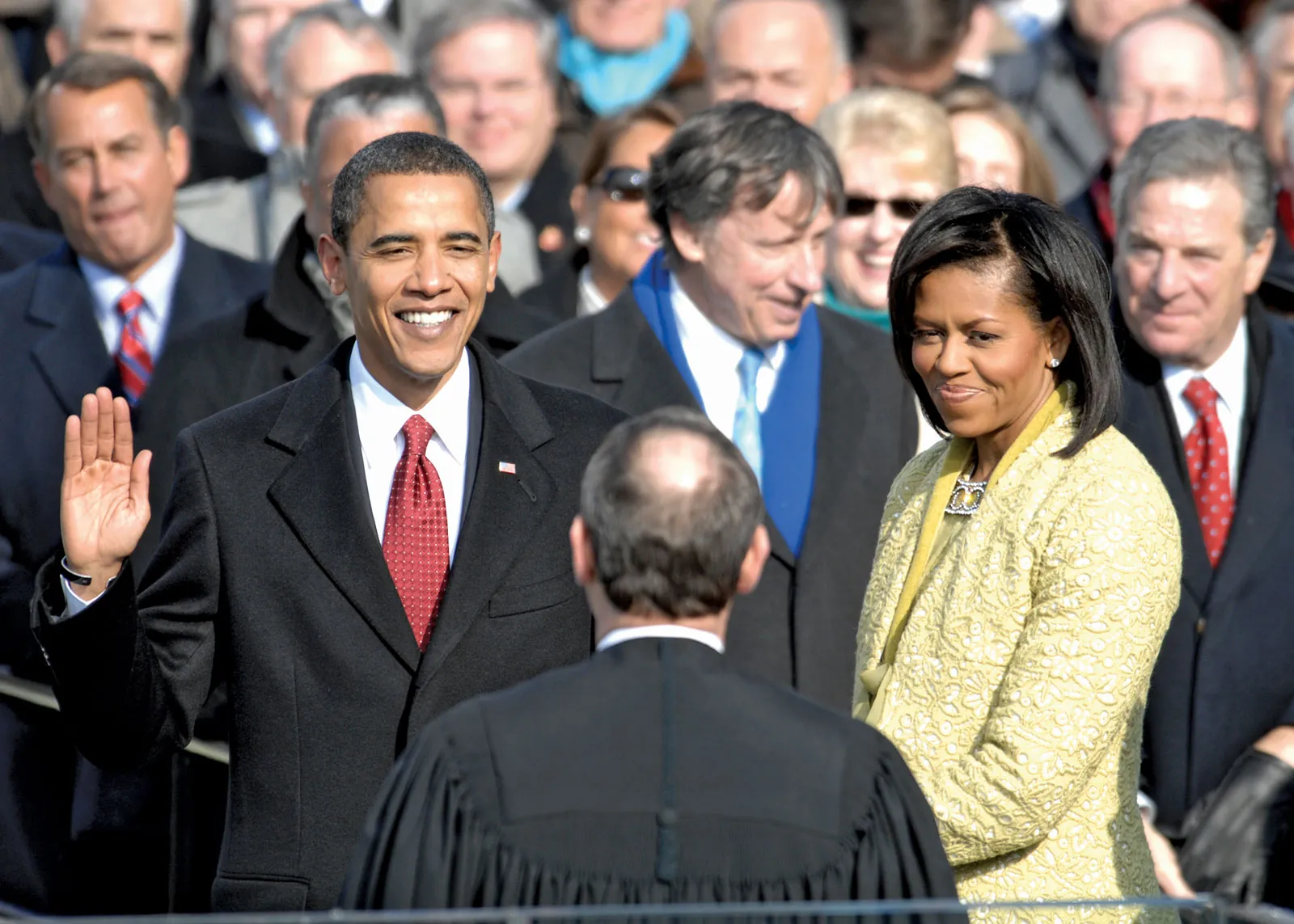
Barack Obama, the 44th President of the United States, holds a significant place in contemporary American history. Serving two terms from 2009 to 2017, Obama’s presidency brought notable changes in various domains, including healthcare, foreign policy, and civil rights. His leadership style and initiatives have continued to influence political discourse, making it essential to reflect on his legacy amidst today’s ongoing challenges.
Major Achievements
One of Obama’s most notable achievements is the Affordable Care Act (ACA), often known as ‘Obamacare,’ which aimed to reduce the number of uninsured Americans and control healthcare costs. The ACA successfully extended health insurance to over 20 million Americans and remains a topic of discussion in the current political climate.
On the international front, Obama is known for implementing a shift in foreign policy known as the “Pivot to Asia,” which focused on strengthening ties with nations in the Asia-Pacific region. Additionally, the Obama administration’s historic agreement with Iran in 2015, aimed at curbing the country’s nuclear program, showcased his commitment to diplomatic solutions, reflecting a strategic departure from previous military-focused approaches.
Civil Rights and Social Policies
Obama’s presidency also marked significant advancements in civil rights. He became the first sitting president to publicly support same-sex marriage, leading to increased advocacy for LGBTQ+ rights. His administration bolstered efforts to address racial inequality, although challenges persist in these areas.
Challenges Faced
Despite these successes, Obama’s presidency was not without challenges. The Great Recession plagued his first term, and he faced significant opposition from Congress, particularly during his second term. The rise of partisanship and populism during and after his presidency has prompted ongoing debates regarding the effectiveness of his policies and the resilience of American democracy.
Conclusion
Barack Obama’s influence extends beyond his two terms in office, reshaping various aspects of American society and politics. As debates around healthcare reform and civil rights continue, Obama’s legacy remains a pivotal topic of discussion. His approach to governance serves as a reference point for current and future leaders navigating complex political landscapes. Understanding Obama’s impact can provide insights into the evolving challenges faced by the United States and the ongoing quest for progress in a diverse nation.