Introduction
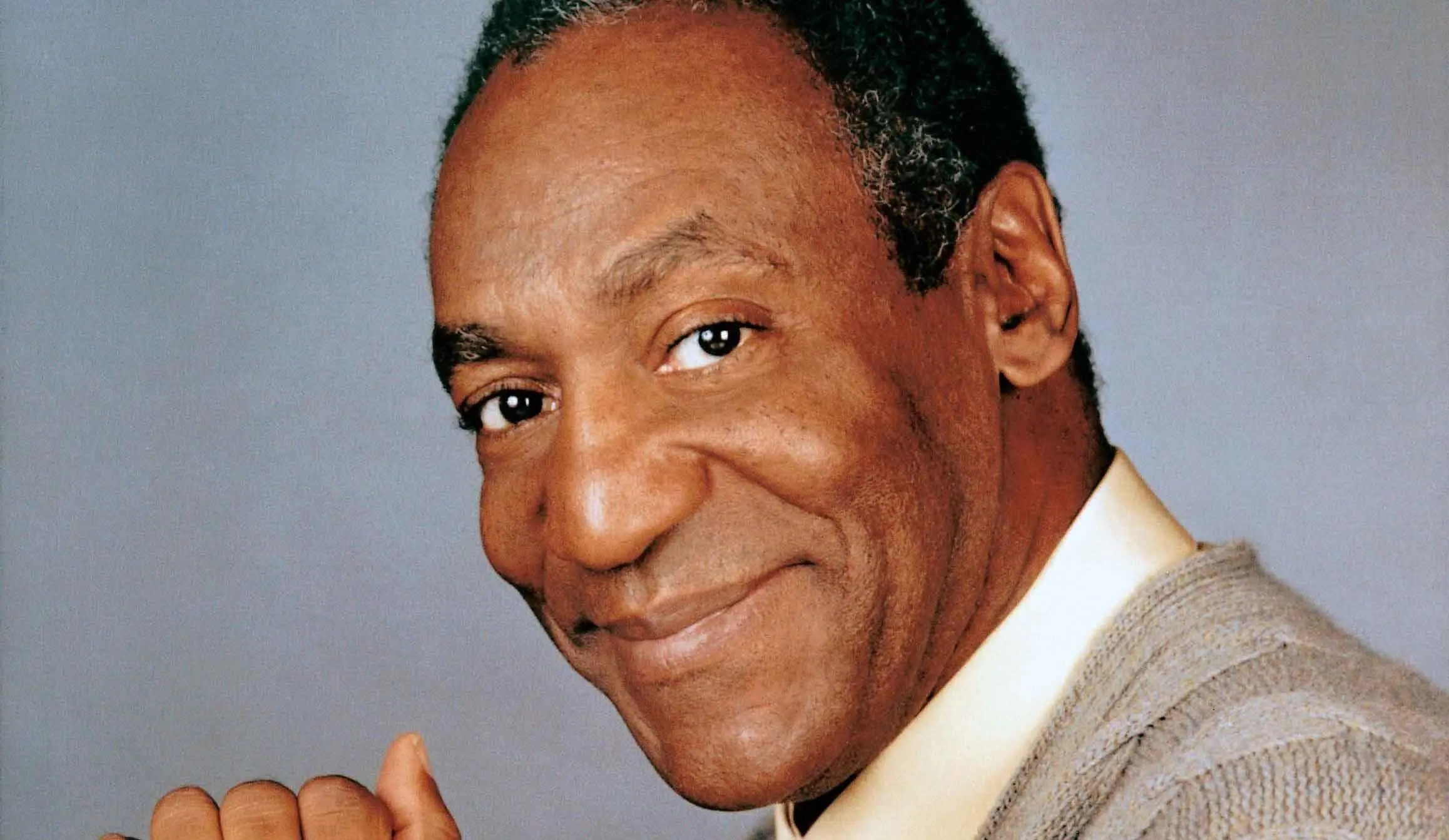
Bill Cosby, once celebrated as America’s Dad for his role in the iconic “The Cosby Show,” has become a controversial figure due to serious allegations of sexual assault and the subsequent legal battles he has faced. The importance of this topic lies in its broader implications for discussions around consent, accountability, and the #MeToo movement, making it relevant in today’s societal context.
Background and Rise to Fame
Cordially known as Bill Cosby, the actor, comedian, and producer rose to prominence in the 1960s and 70s, becoming a pivotal figure in American entertainment. His work, particularly in television, earned him numerous awards and accolades, including several Emmy Awards. However, his career took a drastic turn in the 2000s as multiple women came forward with allegations of sexual misconduct.
Legal Troubles and Major Cases
The turning point in Cosby’s life occurred in 2015 when he was charged with sexual assault stemming from a decade-old accusation made by Andrea Constand. In 2017, a mistrial was declared in his first trial due to a deadlocked jury. However, in April 2018, he was found guilty of aggravated indecent assault and sentenced to three to ten years in prison. Cosby’s case attracted nationwide attention, spotlighting issues of sexual violence in Hollywood and contributing to the cultural shift brought on by the #MeToo movement.
Release and Continued Controversy
In June 2021, the Pennsylvania Supreme Court overturned Cosby’s conviction, ruling that a previous prosecutor had made an agreement that prevented Cosby from being charged. His release has sparked further debate on accountability, trust in the legal system, and the experiences of survivors of sexual violence. While Cosby has maintained his innocence throughout the legal proceedings, his return to public life has been met with mixed reactions, illustrating the division in public opinion regarding his legacy.
Conclusion
The story of Bill Cosby serves as a powerful case study of how fame can interact with the justice system and public opinion. As discussions about consent and accountability continue, Cosby’s narrative emphasizes the complexities and challenges faced by survivors of sexual assault. Looking ahead, the significance of this topic will likely persist as society grapples with these difficult issues, making it crucial for informed dialogue and awareness.