The Bohemian Club: A Look into Its Secretive Membership and Rituals
The Bohemian Club, founded in 1872 in San Francisco, has evolved into a network of influential figures, boasting a membership list that allegedly includes around 2,200 names as of 2023. This exclusive organization is known for its private retreat held at the Bohemian Grove, a sprawling 2,700-acre compound located in Sonoma County, California.
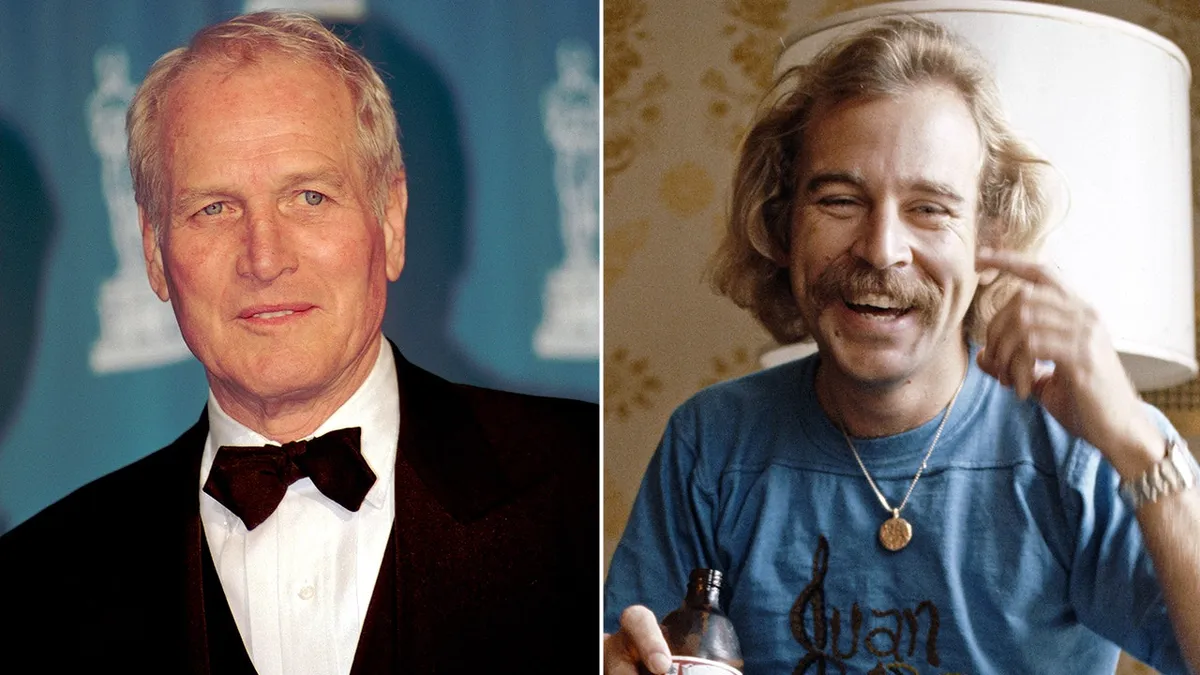
Originally established by journalists, artists, and musicians, the Bohemian Club has maintained a reputation for secrecy and exclusivity. Its motto, “Weaving Spiders Come Not Here,” reflects the club’s intention to keep outside business and politics at bay during its gatherings. Notable members have included prominent figures from various sectors, including politics and entertainment, such as Paul Newman, Jimmy Buffett, and Michael Bloomberg.
The 2023 membership list, published by investigative journalist Daniel Boguslaw, has drawn attention for its inclusion of both current and former members, highlighting the club’s long-standing connections. For instance, Paul Newman remains listed despite his passing in 2008. This aspect of the membership list raises questions about the club’s practices and the nature of its membership records.
Among the club’s most well-known rituals is the “Cremation of Care,” a ceremony that symbolizes the members’ release from the burdens of their daily lives. This event is emblematic of the club’s unique culture, where influential individuals can gather in a setting that encourages camaraderie and reflection away from public scrutiny.
Despite its illustrious history, the Bohemian Club has faced criticism for its exclusionary practices, particularly its policy of barring women from membership and participation in the Grove, except for employees. This policy has sparked discussions about gender equality and the role of women in influential circles.
Sam Singer, a spokesperson for the club, emphasized that “The Bohemian Club is a private organization,” reinforcing its commitment to maintaining confidentiality regarding its members and activities. This secrecy has only fueled public curiosity and speculation about the inner workings of the club.
As the club continues to operate behind closed doors, observers remain intrigued by its influence and the notable figures who comprise its membership. Details remain unconfirmed about the specific activities and discussions that take place during the club’s retreats, leaving many to wonder about the impact of this exclusive network on broader societal issues.
In a world increasingly focused on transparency and accountability, the Bohemian Club stands as a reminder of the enduring allure of secrecy and the power dynamics that can exist within elite circles. As the club prepares for its next gathering, the public will undoubtedly continue to watch closely, eager for insights into the lives of those who navigate the intersection of influence and privacy.