Introduction to Bolivia and Mexico’s Relations
Bolivia and Mexico have long been countries connected by shared history, culture, and mutual respect. As two prominent Latin American nations, their relationship encompasses trade, political diplomacy, and cultural exchanges that enrich their respective societies. Understanding the nuances of this connection is crucial for assessing regional dynamics and cooperative efforts in the region.
Historical Ties
The historical relationship between Bolivia and Mexico is rooted in the broader context of Spanish colonization and the subsequent fight for independence throughout Latin America in the 19th century. Both nations gained independence from Spanish rule—Bolivia in 1825 and Mexico in 1810—which set the stage for a complex but respectful bilateral relationship. Over the years, Mexico has supported Bolivia in various forums, advocating for its rights and interests on continental and global stages.
Cultural Influence and Exchange
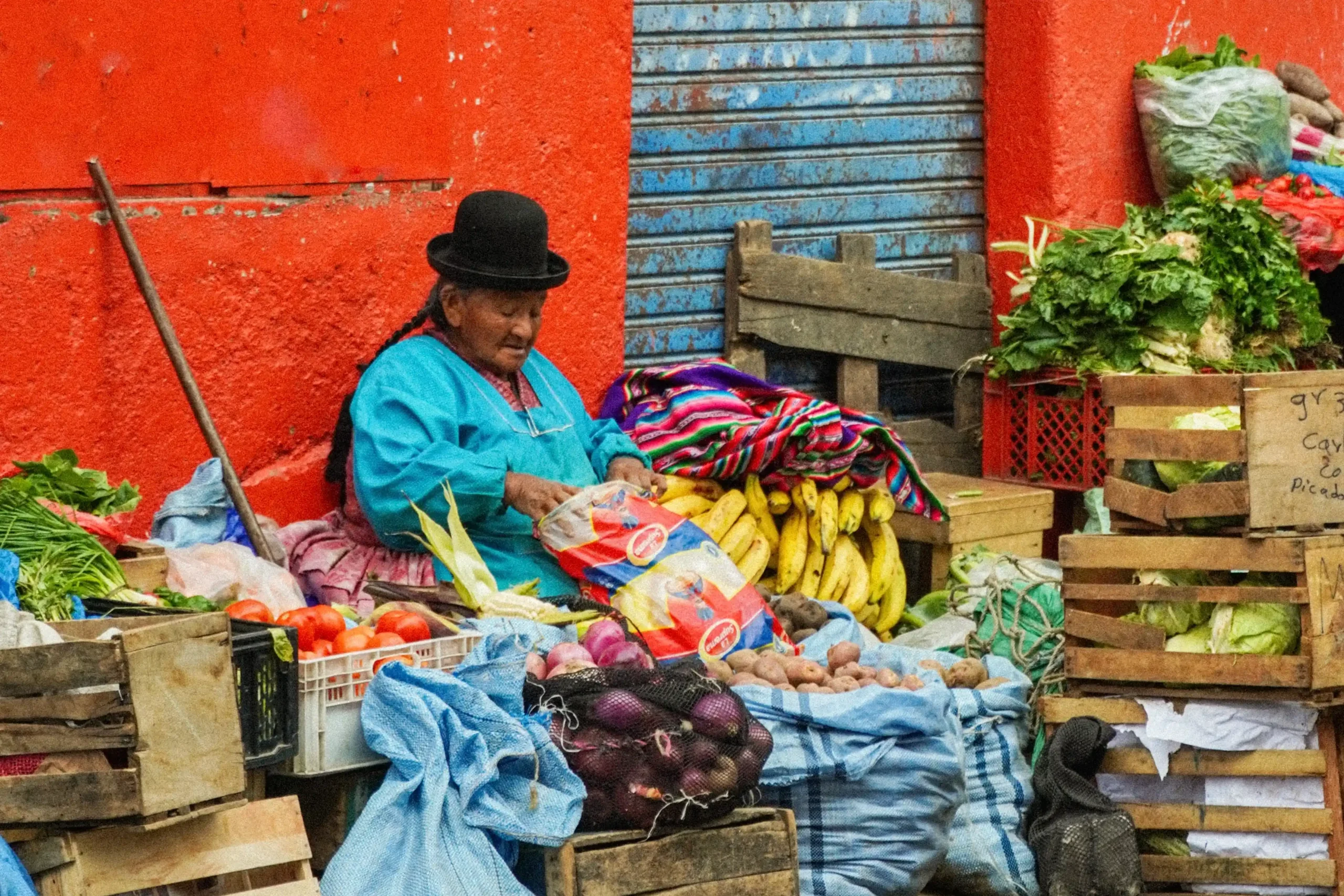
Culturally, Bolivia and Mexico share significant similarities, particularly in music, dance, and artisanal crafts. The influence of indigenous cultures is prominent in both countries, with vibrant traditions that continue to thrive. Events such as the Día de Muertos in Mexico resonate with Bolivia’s own celebrations of cultural heritage, reflecting common beliefs regarding life and death.
In recent years, both nations have expanded their cultural ties through festivals and artistic collaborations. For instance, Bolivian artists often participate in Mexican cultural festivals, showcasing the rich tapestry of Andean music and dance. This artistic camaraderie not only highlights their distinct identities but also fosters respect for each other’s traditions.
Economic and Political Collaborations
From an economic perspective, Bolivia and Mexico have engaged in trade agreements aimed at enhancing cooperation. In 2023, Mexican and Bolivian officials met to discuss ways to boost trade, focusing on agricultural products and mining, where both countries have competitive advantages. Through deeper economic ties, they aim to create a more integrated and prosperous region.
Politically, both nations share views on several international issues, such as climate change, human rights, and poverty alleviation, contributing to a strong partnership in organizations like the Community of Latin American and Caribbean States (CELAC). This political collaboration underscores the vital role both countries play on the international stage.
Conclusion
In conclusion, the relationship between Bolivia and Mexico is marked by historical depth, cultural richness, and collaborative efforts in various domains. As both nations continue to navigate the complexities of modern geopolitics, their partnership is expected to grow stronger, fostering not only mutual benefits but also a profound understanding of each other’s unique cultural identities. For readers, staying informed about these connections can provide insight into the broader context of Latin American unity and resilience.