Introduction
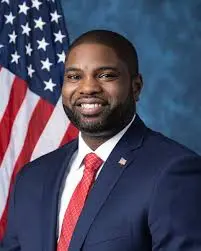
In recent years, Byron Donalds, a first-term Republican congressman representing Florida’s 19th district, has emerged as a pivotal figure in American politics. His rising profile amid contentious political landscapes offers a fresh perspective on several pressing national issues—from economic policies to education reform. As a member of the House Freedom Caucus, Donalds has positioned himself as a vocal advocate for conservative principles, drawing increased attention and support across various segments of the electorate.
The Journey of Byron Donalds
Byron Donalds was born in 1979 in Brooklyn, New York, and later moved to Florida, where he earned a degree in finance from Florida State University. Before entering politics, Donalds worked in financial services and spent time as a state legislator in the Florida House of Representatives. Elected to Congress in 2020, he quickly established himself as a committed conservative voice, focusing on issues such as tax cuts, healthcare reforms, and educational choice.
Key Issues and Influences
In his short tenure, Donalds has made significant contributions to debates on crucial topics. He has been a staunch proponent of limited government and lower taxes, frequently advocating for policies that benefit middle-class families. Furthermore, in the realm of education, he has championed school choice, believing that parents should have control over their children’s educational paths. Donalds’s views resonate strongly with his constituents, in part due to his authentic connection to their concerns.
As a member of the House Financial Services Committee, he also focuses on economic reform, particularly in addressing the needs of small businesses and working-class citizens. His efforts to improve the economy have been pivotal in his agenda, making him a respected voice in financial discussions.
Recent Developments
In recent months, Donalds has gained national media attention for his remarks during high-stakes legislative debates. During the 2023 budget discussions, he stood firm on key issues, advocating for fiscal responsibility and transparency in government spending. His articulate defense of conservative values has garnered him a following beyond his home state, hinting at a potentially larger role in future Republican leadership, especially as party dynamics continue to shift.
Conclusion
Byron Donalds’s emergence as a significant political figure illustrates the changing landscape of U.S. politics, particularly within the Republican Party. His focus on core conservative values and community engagement underscores his commitment to representing the interests of his constituents. As he continues to make headlines and influence key policy decisions, it will be essential for readers to observe how Donalds navigates the complexities of national politics and what his growing presence means for the future of the Republican Party.