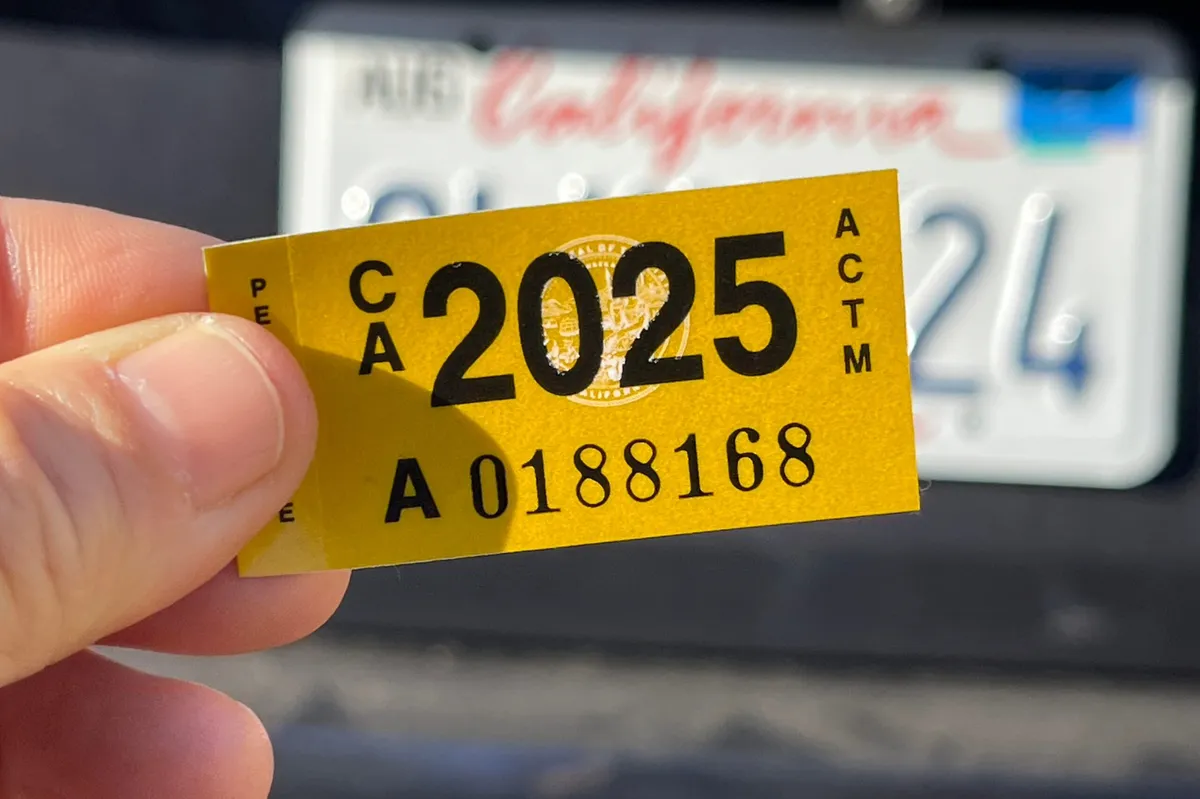
California’s plan to share information about over one million undocumented immigrants holding driver’s licenses with a national database raises significant concerns about privacy and potential deportation risks. This decision breaks promises made to these license holders.
The California Department of Motor Vehicles (DMV) plans to share this sensitive data with the American Association of Motor Vehicle Administrators (AAMVA). Advocates argue that this move violates the assurances given to those who obtained their licenses under Assembly Bill 60, passed in 2013.
Assembly Bill 60 allowed undocumented immigrants to obtain California driver’s licenses while protecting their information from being used against them. The law explicitly prohibits using information from the AB 60 process to determine citizenship or immigration status.
However, California cites the Real ID Act of 2005 as a reason for this data-sharing initiative. The state has been in partial or non-compliant status with the Real ID Act for years without facing consequences.
The DMV has requested $55 million to implement the necessary infrastructure for this data-sharing plan. Critics note that the AAMVA is a nonprofit organization, not a government agency, which limits public scrutiny over how the data will be used.
The placeholder value ‘99999’ will represent individuals without Social Security numbers in the database. This approach has further fueled fears among immigrant advocates regarding increased risks of deportation.
Tracy Rosenberg, an immigration advocate, stated, “It’s unclear how extreme the danger people are being put into by this decision but there’s no doubt we told people with AB 60 licenses this would never happen, but it’s happening, and that’s a direct betrayal.” Ed Hasbrouck added, “Once this data is uploaded to AAMVA, it’s out of California’s control.”
The long-term implications of sharing this data on undocumented immigrants’ safety and privacy are unclear. It is uncertain how the federal government will utilize the information once shared with AAMVA.