Introduction
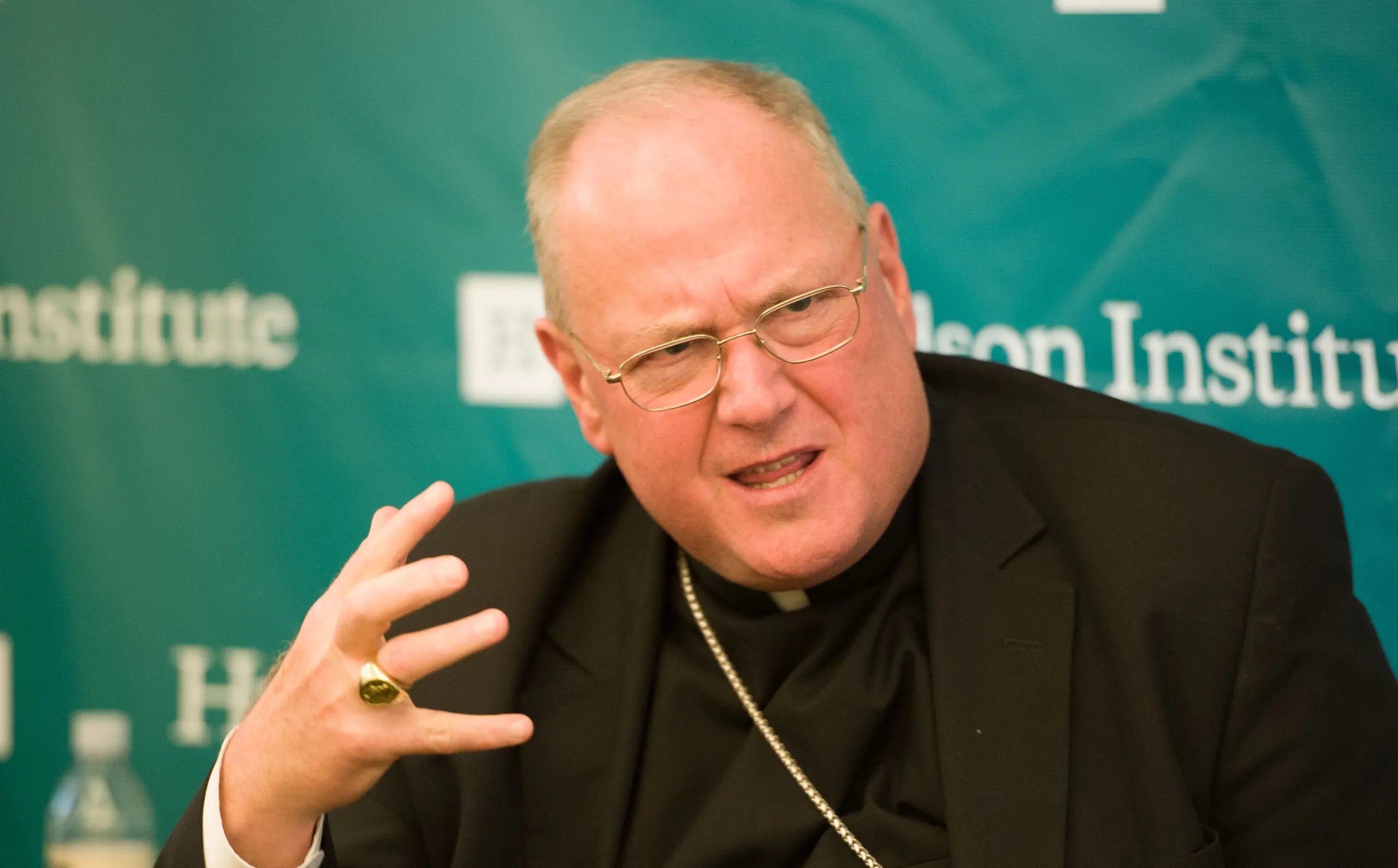
Cardinal Timothy Dolan, the Archbishop of New York, has emerged as a significant figure within the Roman Catholic Church. His leadership and outreach efforts have made him a key voice on various social issues, particularly in a time when the Church faces numerous challenges, including declining attendance and ongoing discussions about social justice. Understanding Cardinal Dolan’s work and position can provide insights into the current dynamics of the Catholic Church in America.
Recent Events and Contributions
In recent years, Cardinal Dolan has been vocal about the importance of engaging with the community, providing guidance and support during the COVID-19 pandemic. He played a crucial role in the distribution of food and essential supplies to those in need, emphasizing the Church’s commitment to social service. Furthermore, Cardinal Dolan has been a proponent of religious freedom, advocating for the rights of religious organizations in matters related to healthcare and social policy.
In a notable event this past July 2023, Cardinal Dolan participated in a multi-faith summit aimed at promoting inter-religious dialogue and cooperation in New York City. This gathering brought together leaders from various faiths to discuss mutual understanding and community service initiatives. Through such efforts, Dolan has worked to bridge divides and promote a spirit of collaboration among diverse communities.
Challenges and Focus Areas
Despite his positive efforts, Cardinal Dolan has not been without challenges. He has had to address the ongoing sexual abuse crisis within the Church, which has significantly affected its credibility and trustworthiness. In addressing these issues, Dolan stressed the importance of transparency and accountability, calling for reforms to ensure a safer environment within the Church.
Additionally, Dolan’s stance on social issues, including immigration and poverty, reflects the Catholic Church’s teachings, though it has sparked debate among various factions within the Church and broader society. His inclusive approach aims to uphold the dignity of all individuals, which has resonated well with many congregants and community members.
Conclusion
Cardinal Dolan’s leadership is significant in both religious and social contexts, offering a blend of traditional Catholic doctrine with a modern approach to contemporary issues. As he continues to navigate the complexities facing the Church, Dolan’s ability to engage with diverse communities and advocate for justice remains crucial. Looking ahead, his influence may guide the Church toward a more inclusive and responsive future, addressing both the needs of the faithful and broader societal challenges. For readers, staying informed about Cardinal Dolan’s work provides valuable insights into the intersection of faith, community, and social justice.