Introduction
Chinese New Year, also known as Lunar New Year or Spring Festival, is one of the most significant traditional holidays celebrated in China and around the world. It marks the arrival of spring and is a time for families to reunite, reflect on the past year, and set intentions for the year ahead. In 2024, the Chinese New Year will commence on February 10, welcoming the Year of the Dragon, a symbol of strength, good fortune, and power.
Traditions and Customs
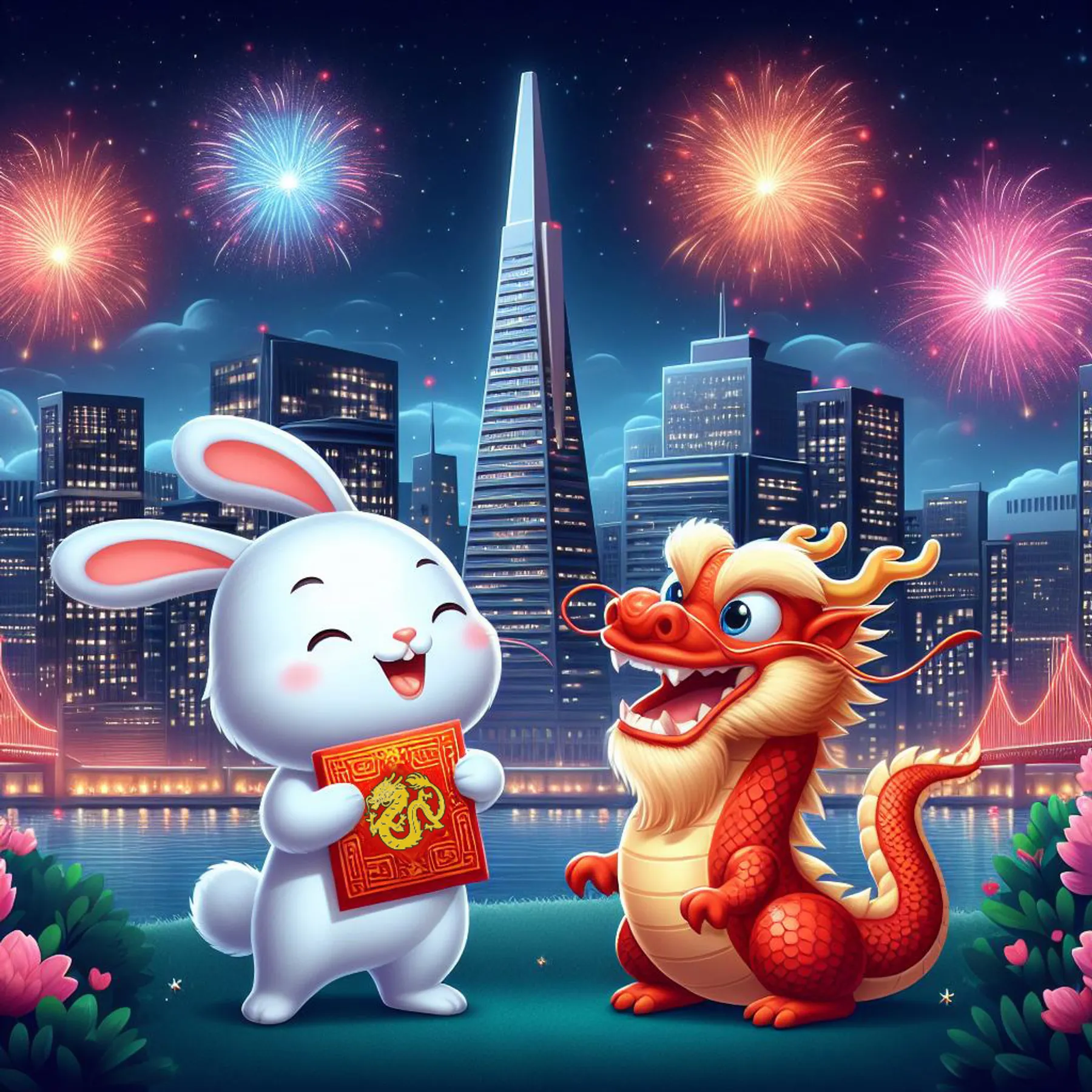
The celebrations last for 15 days, concluding with the Lantern Festival. Customs vary by region, but some universally practiced traditions include the cleaning of homes to sweep away bad luck, the giving of red envelopes (hongbao) filled with money as tokens of good wishes, and the preparation of elaborate feasts featuring symbolic dishes such as fish for prosperity and dumplings for wealth.
Families often gather for reunion dinners on New Year’s Eve, where they honor ancestors and celebrate together. Fireworks are a vibrant part of the festivities, intended to scare away evil spirits and bring in the new year with joy and light.
Global Celebrations
Chinese New Year is not only celebrated in China but also in various countries with significant Chinese communities, including Singapore, Malaysia, Indonesia, and the United States. In cities like San Francisco and New York, grand parades featuring lion and dragon dances attract thousands of spectators, showcasing the cultural richness and community spirit.
Conclusion
As we approach the Year of the Dragon in 2024, the significance of Chinese New Year resonates more than ever, symbolizing renewal and hope. With ongoing global challenges, the festival serves as a reminder of the importance of family, community, and cultural heritage. Observers are encouraged to partake in local celebrations or learn more about the customs and practices surrounding this vibrant holiday.