In the wake of Charlie Kirk’s tragic death during a speaking event in Utah last year, significant developments have emerged regarding his legacy and the controversies surrounding it. Kirk, a prominent conservative activist and founder of Turning Point USA, was shot dead, an event that has sparked various reactions and actions from political figures and the public.
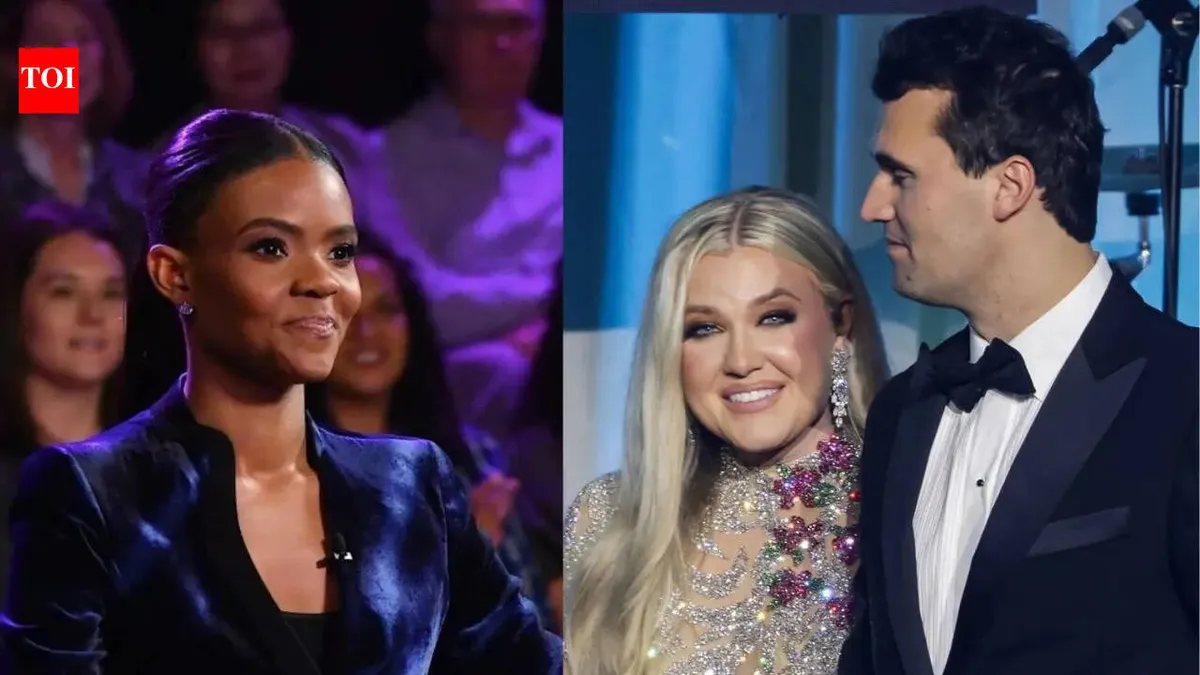
Recently, Candace Owens made headlines by accusing Erika Kirk of plotting Charlie Kirk’s murder. Owens stated, “Days before Charlie gets assassinated…” suggesting a conspiracy that has yet to be substantiated. Details remain unconfirmed.
In Washington County, plans to rename a highway in honor of Charlie Kirk have been halted due to cost concerns. The proposed name for the highway was “Charlie J. Kirk Way,” with estimated costs for signage reaching $50,000. The decision followed a significant public response, with approximately 250 emails and phone calls received opposing the renaming measure.
Additionally, Arizona Governor Katie Hobbs vetoed a bill that aimed to rename Loop 202 after Charlie Kirk. Hobbs emphasized that the renaming process should go through the Arizona State Board on Geographic and Historic Names, indicating a preference for a more formal approach to such memorials.
Hobbs had previously vetoed legislation intended to create a specialty Arizona license plate in Kirk’s honor, further complicating efforts to memorialize him. Senate President Warren Petersen criticized Hobbs for what he described as injecting partisanship into the renaming issue, stating, “Charlie Kirk inspired millions of Americans to engage in their communities, speak freely and exercise their First Amendment rights.”
The ongoing discussions and actions surrounding Charlie Kirk’s legacy highlight the complexities of memorializing public figures, particularly those with polarizing views. As the situation develops, the responses from both supporters and detractors continue to shape the narrative around Kirk’s impact and the controversies that followed his death.
As the community reflects on Kirk’s contributions and the circumstances of his passing, the implications of these events resonate deeply within the political landscape. The intersection of memorialization, political sentiment, and public opinion remains a focal point in the aftermath of his assassination.