The Strait of Hormuz has been a point of contention due to regional tensions involving Iran and other countries. This vital waterway carries around one-fifth of the world’s oil, making its security a significant concern for global trade and energy markets. Recently, the situation escalated when Bahrain, in coordination with Gulf Cooperation Council member states, drafted a resolution aimed at reopening the strait and ensuring the safety of navigation. The resolution sought to demand that Iran cease all attacks on shipping in the area, reflecting the urgent need for a stable maritime environment.
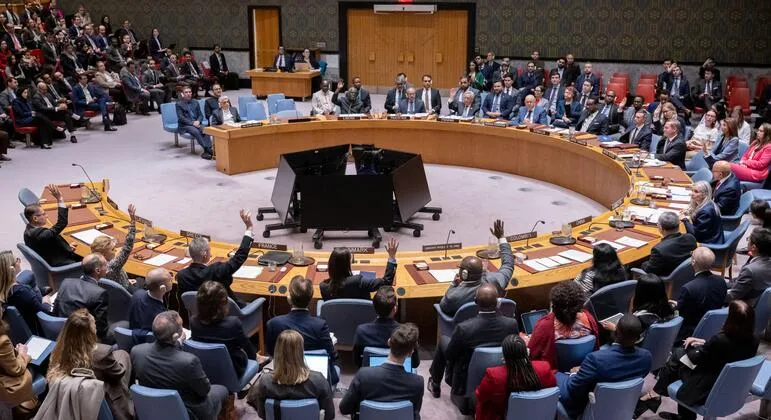
On April 11, 2026, the UN Security Council voted on this resolution, which received 11 votes in favor. However, it faced a significant setback when both China and Russia exercised their veto power against it. The resolution was heavily watered down amid opposition from these veto-wielding countries, with the initial version that authorized the use of force being removed. This alteration was seen as a compromise to gain broader support, yet it ultimately fell short in the face of the vetoes.
Bahrain’s Foreign Minister Abdullatif bin Rashid Al Zayani expressed regret over the veto, stating, “Failing to adopt this resolution sends the wrong signal to the world.” His comments highlight the broader implications of the veto on international perceptions of cooperation and security in the region. The resolution was intended as a step toward ensuring navigational freedom in the Strait of Hormuz, a goal that now appears more challenging to achieve.
In contrast, Russia’s envoy Vasily Nebenzya criticized the resolution, arguing that its adoption would undermine any prospect for the resumption of negotiations. This statement underscores the complex dynamics at play, as both Russia and China appear to be aligning with Iran’s interests in the region. The vetoes have raised concerns among other nations, particularly the United States, which has been vocal about the need for a unified approach to ensure maritime security.
U.S. Ambassador Mike Waltz condemned the vetoes, stating, “No one should tolerate that they are holding the global economy at gunpoint, but today, Russia and China did tolerate.” This remark reflects the U.S. perspective on the geopolitical stakes involved, particularly as the resolution was voted on just hours before President Trump’s deadline for Iran to reopen the strait. The urgency of the situation has amplified the tensions surrounding the vote.
White House press secretary Karoline Leavitt also weighed in, emphasizing that the Iranian regime had until 8 p.m. Eastern Time to meet the moment and make a deal with the United States. This deadline adds another layer of pressure to the ongoing negotiations and highlights the interconnectedness of diplomatic efforts and security concerns in the region.
As the situation unfolds, observers are closely monitoring the implications of the veto on future diplomatic engagements and the overall security landscape in the Strait of Hormuz. The UN Security Council consists of 15 countries, with five permanent members holding veto power, making the dynamics of such votes critical in shaping international responses to regional conflicts. The failure to pass this resolution may embolden Iran and complicate efforts to ensure safe passage for vessels in this crucial maritime corridor.
Details remain unconfirmed regarding the immediate next steps from the involved parties, but the vetoes have undoubtedly set the stage for continued tensions and discussions in the international arena. The global community will be watching closely as the ramifications of this decision unfold, particularly in relation to oil markets and regional stability.