Introduction
Chinese Taipei, the name used by Taiwan in international sports, has gained significance as a symbol of the island’s unique political status and cultural identity. The term arises from the need to adhere to international agreements that avoid conflict with the PRC (People’s Republic of China), which views Taiwan as a breakaway province. This designation impacts Taiwanese athletes and their representation in various global sporting events, including the Olympics and the Asian Games.
The Political Landscape
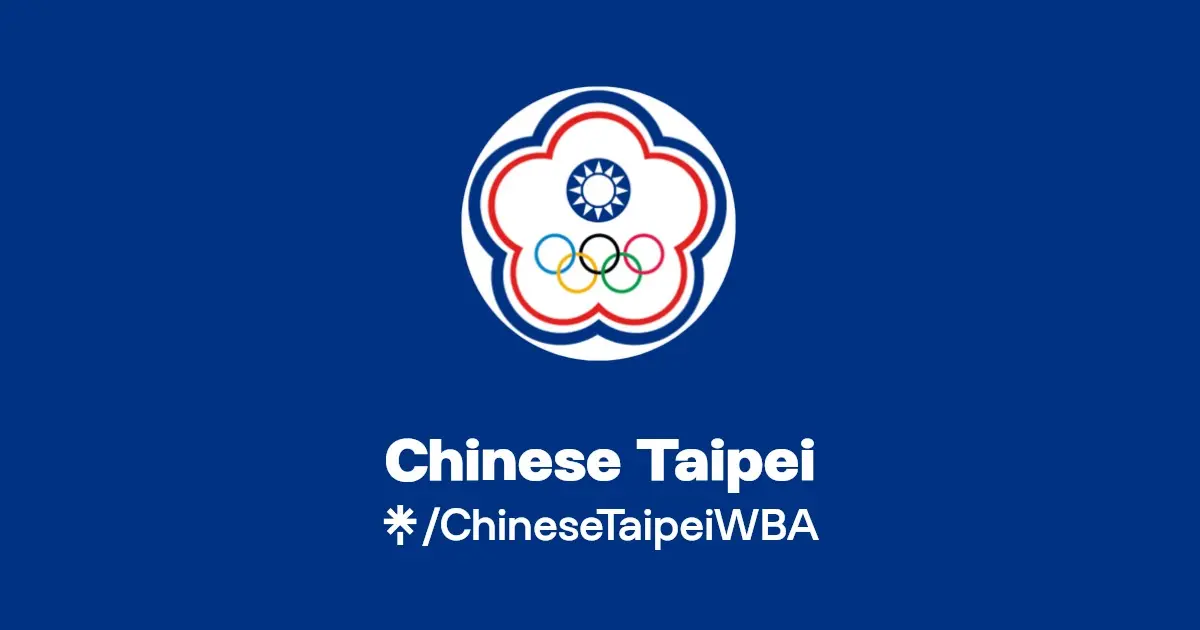
The designation “Chinese Taipei” was established in the 1980s, as Taiwan’s participation in international organizations began to be scrutinized due to political tensions with China. Following the establishment of the Republic of China (Taiwan) in 1949, its status as an Olympic and sports entity has been a subject of complex international diplomacy. As a result, athletes from Taiwan compete under the moniker “Chinese Taipei,” donning a flag that resembles, but does not directly represent, Taiwan’s official flag. This arrangement allows for participation without directly conflicting with the PRC’s stance, but it often leads to controversy and debate over national identity.
Recent Events and Achievements
Despite political challenges, athletes from Chinese Taipei have thrived on the international stage, showcasing exceptional talent across various sports. For instance, the 2020 Tokyo Olympics saw Taiwanese athletes secure two gold medals, emphasizing their ability to excel despite the political backdrop. Additionally, the Chinese Taipei Baseball Team recently won the 2023 World Baseball Classic qualifying round, reaffirming its competitiveness in the international sports arena. Such achievements highlight the dedication and skills of athletes representing Chinese Taipei, fostering national pride and showcasing their capabilities irrespective of political affiliations.
Conclusion
Chinese Taipei serves as more than just a name; it embodies the complexities of national identity in the face of political adversity. The ongoing achievements of Taiwanese athletes reflect the resilience of a people striving for recognition and success on the world stage. As international relations evolve, sports will likely continue to serve as a platform for both unity and dissent. The significance of Chinese Taipei will remain important in future sporting events, representing a blend of competition, identity, and diplomatic negotiation. As audiences worldwide increasingly recognize the athletes’ remarkable feats, the name Chinese Taipei will signify a celebration of spirit and achievement, transcending the limitations imposed by politics.