Introduction
Clinton Portis, a former NFL running back renowned for his dynamic playing style, remains a significant figure in football discussions. His contributions to the Washington Redskins and the NFL as a whole are often overshadowed by his recent legal troubles. As society continues to ponder the impact of athletes beyond their playing days, the story of Clinton Portis serves as a critical reminder of the complexities surrounding sports fame.
Career Highlights
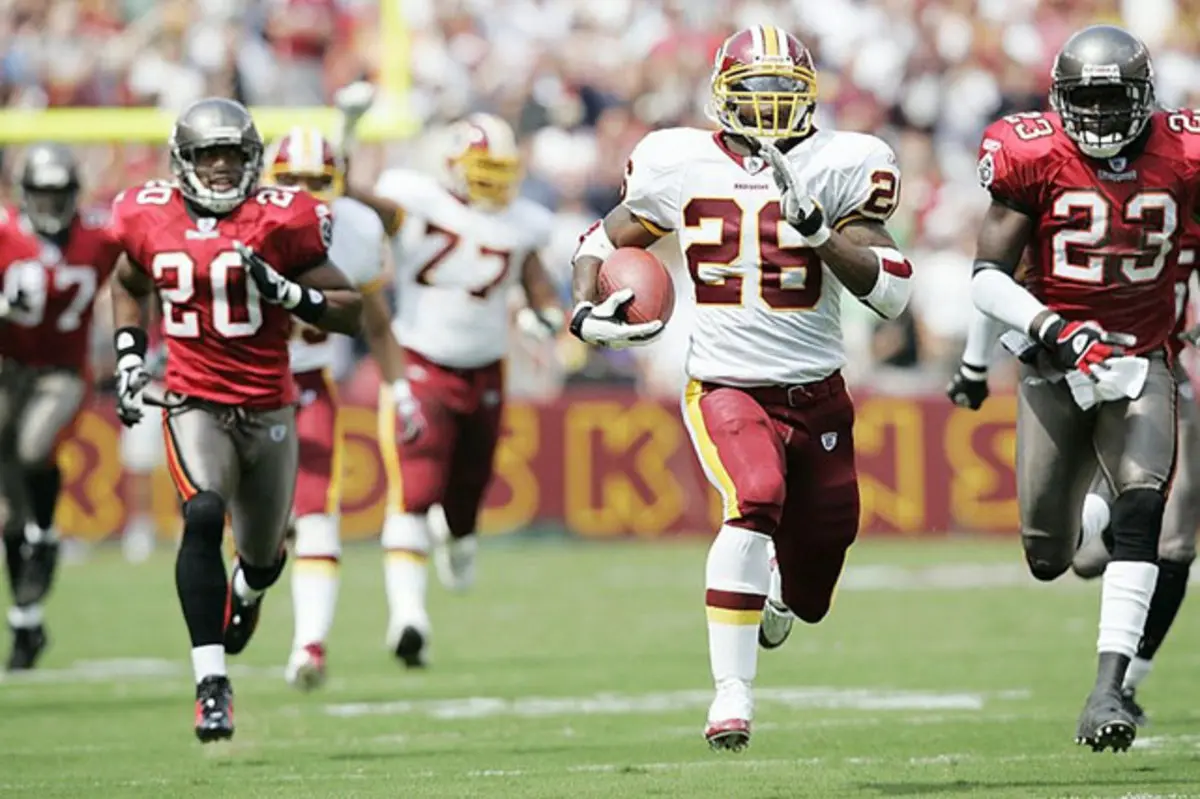
Portis enjoyed a stellar career in the NFL, initially drafted by the Denver Broncos in 2002, where he spent two seasons before being traded to the Washington Redskins. While with the Redskins, he established himself as one of the premier running backs in the league. Portis reached the Pro Bowl twice and rushed for over 1,500 yards in multiple seasons, becoming known for his explosive playing style and charismatic personality both on and off the field.
Recent Events
In recent news, Portis has been under scrutiny for his involvement in a fraudulent health care scheme. Federal prosecutors charged him and several others for allegedly bilking a total of $2 million from a health care benefit program designed for retired NFL players. This case has raised concerns about the financial management of professional athletes and the pressures they face after their careers end. Portis has maintained his innocence, asserting he was unaware of any wrongdoing.
The Broader Impact
This situation highlights a growing issue within professional sports, where former athletes often find themselves vulnerable to financial exploitation or are ill-prepared for life after sports. Studies have shown that a significant percentage of former NFL players face financial difficulties within just a few years of retirement. Portis’s story acts as a cautionary tale about the importance of education and awareness regarding financial literacy and health benefits.
Conclusion
The unfolding story of Clinton Portis serves as a notable chapter in the narrative surrounding retiree support in professional sports. As he faces legal challenges, the discussions prompted by his situation emphasize the need for better resources and education for athletes transitioning into life after sports. While Portis’s past contributions to the NFL have solidified his legacy as a remarkable player, it is crucial to address the circumstances surrounding his current difficulties. Observers will watch closely, not only for the outcomes of his legal battles but also for the broader implications this case might have on policies addressing player welfare in professional sports.