Introduction
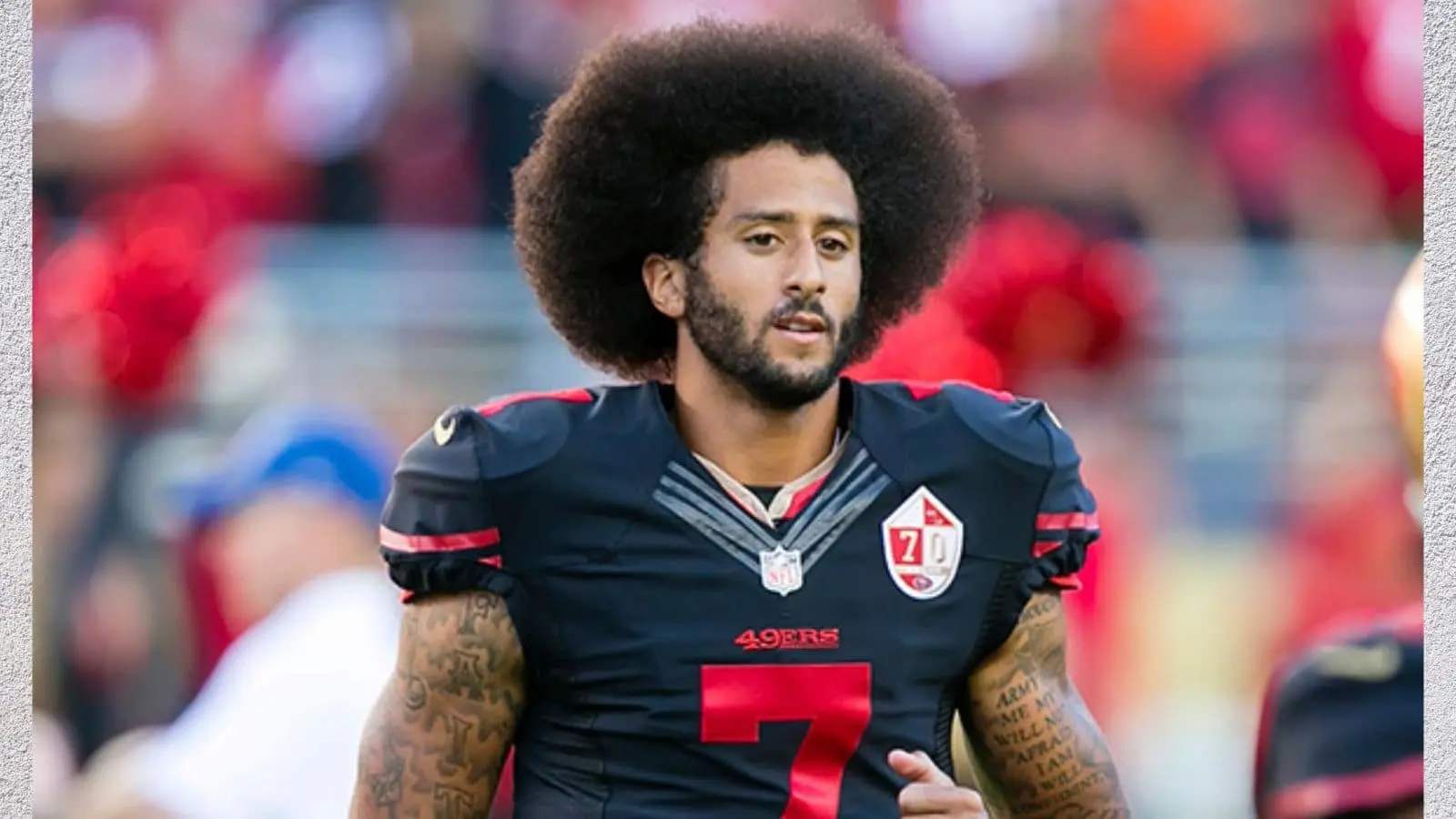
Colin Kaepernick, the former NFL quarterback, remains a pivotal figure in discussions surrounding sports, activism, and social justice. Known for his controversial protest against racial injustice during the national anthem, Kaepernick’s influence extends far beyond the football field. His actions have sparked conversations about race relations, police brutality, and the role of athletes in activism, making him a relevant topic of discussion in today’s societal context.
Rise to Prominence
Kaepernick gained fame as a talented quarterback for the San Francisco 49ers, particularly noted for his performance during the 2012 NFL season, leading the team to Super Bowl XLVII. His dynamic playing style and athleticism made him a fan favorite and a symbol of hope for the team. However, it was not just his skills on the field that garnered attention—on August 26, 2016, Kaepernick chose to kneel during the national anthem to protest against systemic racism and police misconduct against people of color in the United States. This choice ignited a nationwide debate and drew both support and criticism.
The Aftermath of His Protest
Following his protest, Kaepernick faced considerable backlash, including facing challenges in finding a team for the subsequent NFL seasons. In 2017, he opted out of his contract with the 49ers, and despite a successful career, has not played a game since. His absence from the field has been seen by many as a direct consequence of his activism. In 2019, Kaepernick reached a settlement with the NFL regarding allegations of collusion, which solidified suspicions that he was blacklisted for his beliefs.
Continued Activism and Cultural Impact
Despite not playing, Kaepernick has remained active in various social justice initiatives. He founded the Know Your Rights Camp, which educates and empowers youth from marginalized communities. In 2020, Kaepernick’s efforts in activism and his fight against racial inequality were recognized when he was awarded the honorary title of “Citizen of the Year” by GQ magazine. His legacy includes inspiring a new generation of athletes to speak out for causes they believe in.
Conclusion
Colin Kaepernick’s journey illustrates the intersection of sports and activism, highlighting the significant role athletes play in societal change. As the landscape of professional sports continues to evolve, Kaepernick’s impact remains evident, encouraging discussions about ethics, activism, and justice in contemporary society. Whether he returns to the NFL or not, his actions have set a precedent for courage and conviction, urging athletes to leverage their platforms for social change.