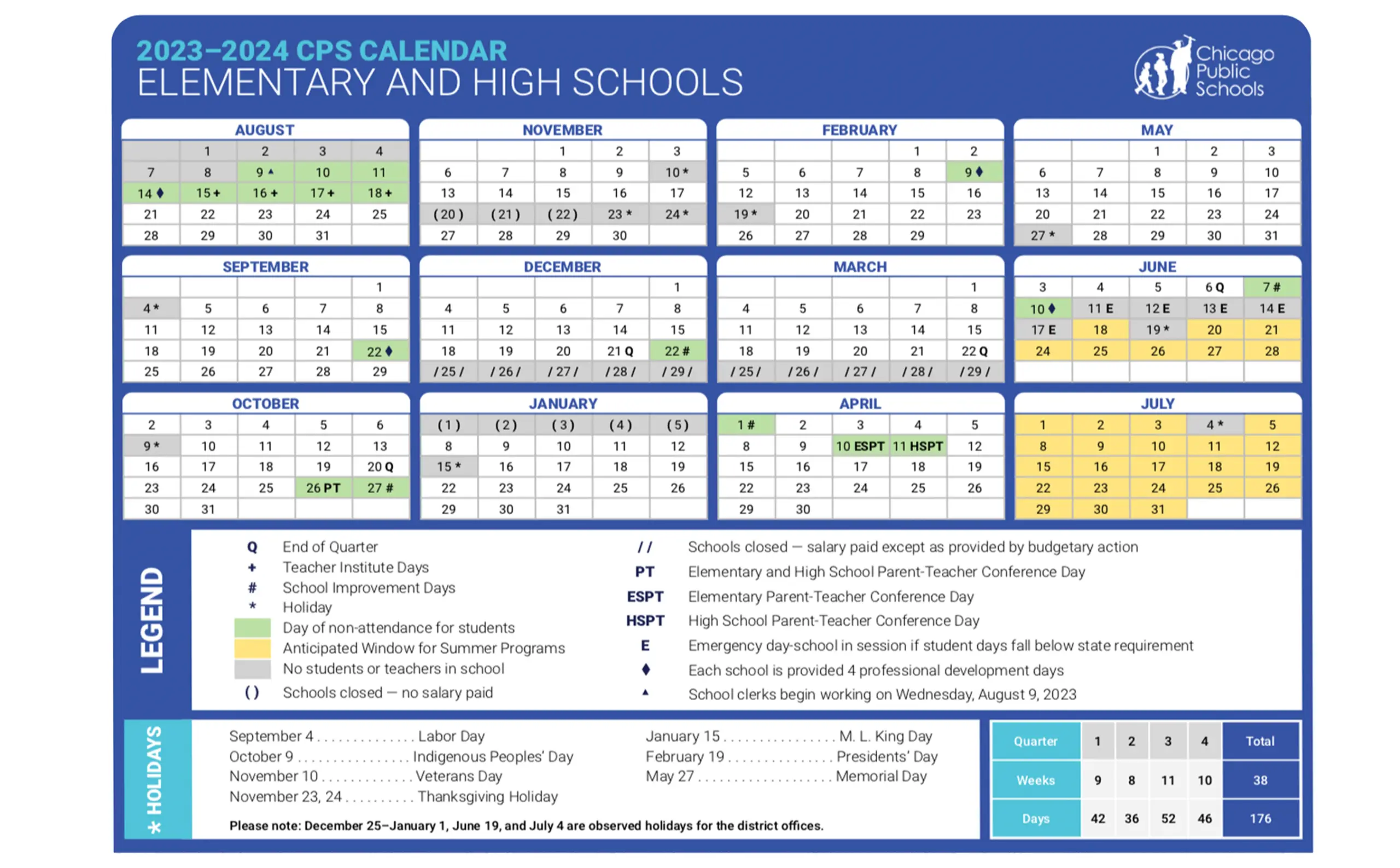
Introduction
Chicago Public Schools (CPS) is one of the largest school districts in the United States, catering to over 350,000 students. Recently, discussions regarding school closures have taken center stage, raising concerns among parents, educators, and community leaders. Understanding the implications of these closures is crucial, as they affect not only students’ education but also the communities that support them.
Recent Developments
As of October 2023, CPS announced plans to close three underperforming schools at the end of the academic year. This decision has come after years of declining enrollment and budget constraints, prompting the school board to reevaluate the sustainability of certain institutions. The specific schools targeted for closure are located in neighborhoods that have faced significant socio-economic challenges.
In response to the announcement, parents have expressed concerns about where their children will be reassigned and the quality of education at alternative schools. CPS has assured families that the district will provide support through a comprehensive transition plan, which includes helping students find new schools, providing transportation options, and offering counseling services.
Community Reactions
Community leaders and advocacy groups have voiced their discontent with the school closures, arguing that they exacerbate educational inequities. Many believe that rather than closing schools, efforts should focus on improving existing facilities and resources to retain students. The organization “Save Our Schools Chicago” has been particularly vocal, organizing protests and meetings to address these concerns and to push for more equitable solutions.
Future Implications
The CPS school closing decisions have broader implications for the educational landscape in Chicago. Experts suggest that these closures could result in increased class sizes and strain on remaining schools, particularly as some are also dealing with their own funding and staffing issues. Looking ahead, the district intends to continue evaluating its schools based on performance metrics, which could lead to further closures if trends do not improve.
Conclusion
The topic of CPS school closures is not only relevant to students and parents but also critical for understanding the future of education in Chicago. As the district navigates these changes, it will be essential for families to stay engaged and informed. CPS’s actions in the coming months will significantly impact the educational opportunities available to Chicago’s youth. Stakeholders must advocate for equitable solutions that prioritize the educational needs of every child, ensuring that all students have access to quality education regardless of their school assignment.