How it unfolded
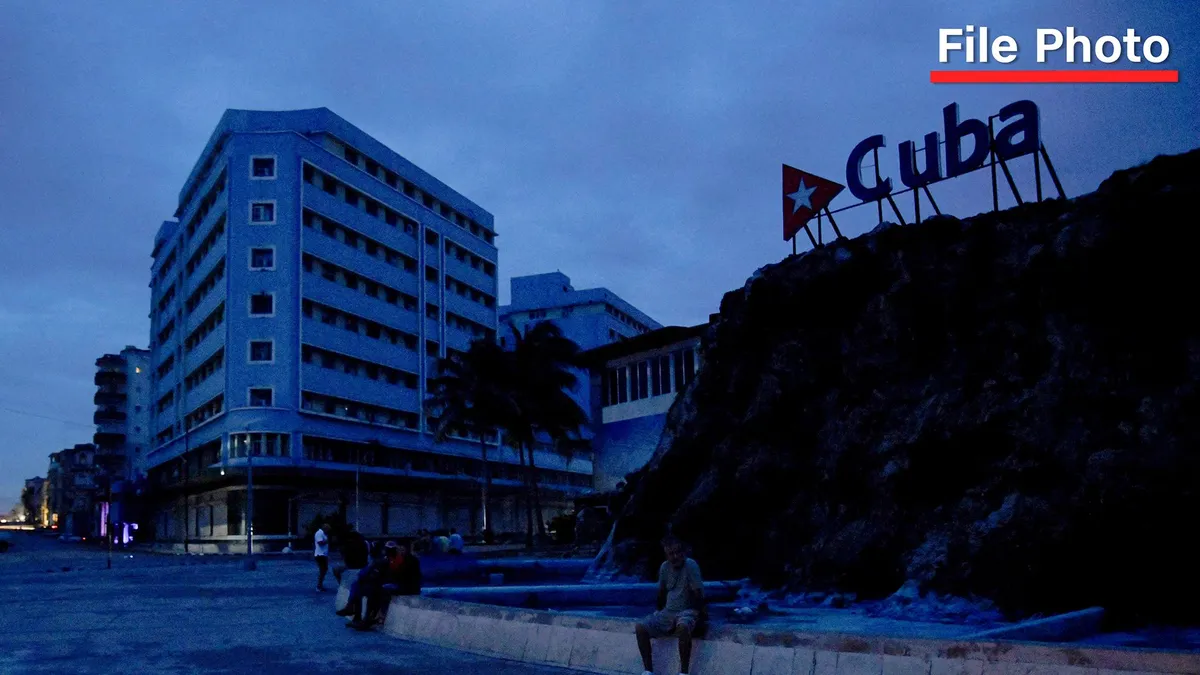
On Monday, at 1:54 p.m., Cuba’s national power grid failed, plunging 11 million people into darkness. This collapse is the latest development in a series of power outages that have plagued the island nation, which has been grappling with an aging electrical infrastructure and a significant fuel shortage. The situation has been exacerbated by a U.S. oil blockade, leaving Cuba without any oil shipments for the past three months.
As the blackout unfolded, hospitals across the country were forced to operate without power, severely impacting patient care. The Cuban government has been struggling to maintain essential services, and the current crisis has led to widespread frustration among the population. Isabel Garcia, a local resident, remarked, “What Cubans are going through is very hard,” highlighting the emotional toll of the ongoing energy crisis.
In the wake of the blackout, protests erupted over the weekend, with citizens expressing their anger and desperation regarding the power situation. Many Cubans are accustomed to daily power outages lasting between two to five hours, but the extent of this blackout has raised concerns about the government’s ability to manage the crisis. Tomás David Valáquez, another resident, voiced his frustration, stating, “This is an abuse. What will happen, it will be two or three days without electricity and what little we have to eat spoils.”
By Tuesday morning, reports indicated that 31% of Havana’s power had been restored, but the overall situation remains dire. The Cuban government has acknowledged that the country is currently running on only about 40% of the fuel it needs, further complicating efforts to stabilize the power grid. The U.S. Embassy in Havana has noted that power outages are a daily occurrence, underscoring the severity of the ongoing energy crisis.
In response to the crisis, Cuban Deputy Prime Minister has stated that the government is open to foreign investment, signaling a potential shift in policy as the nation seeks to address its energy challenges. This move may be an attempt to attract resources and expertise to help revitalize the struggling power sector.
As the situation continues to evolve, the Cuban government is reportedly in talks with the Trump administration regarding economic issues, which may have implications for the ongoing blockade and its impact on Cuba’s energy supply. Donald Trump previously remarked, “I think Cuba sees the end,” reflecting the broader geopolitical context in which this crisis is unfolding.
The collapse of Cuba’s power grid is not just a technical failure; it represents a critical juncture for the nation as it grapples with the intersection of energy, politics, and public sentiment. With the population increasingly vocal about their frustrations, the government faces mounting pressure to find solutions that will restore power and stability to the island.