Introduction
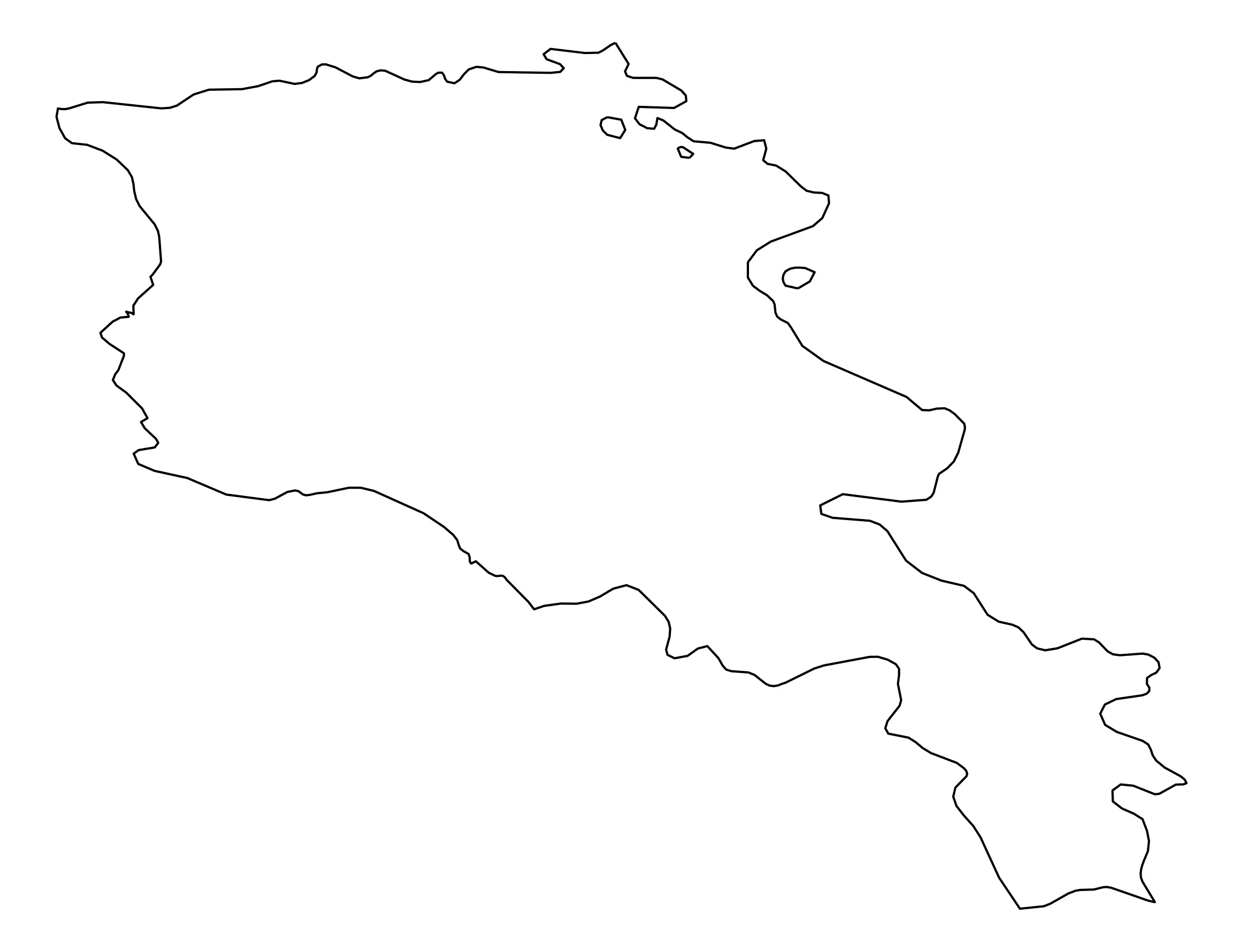
Armenia, a country rich in history and culture, has been in the international spotlight due to its unique geopolitical position and recent events. As a nation at the crossroads of Europe and Asia, Armenia plays a critical role in regional politics and economics. Recent tensions with nearby nations, particularly Azerbaijan, and the ongoing ramifications of the Nagorno-Karabakh conflict have made the situation imperative for global awareness.
Tensions with Azerbaijan
The Armenia-Azerbaijan conflict over Nagorno-Karabakh has seen renewed hostilities this year, following a ceasefire agreement brokered in 2020 that has failed to provide lasting peace. In recent weeks, there have been reports of military skirmishes and an escalation of rhetoric from both sides. The situation escalated in September 2023 when a series of border clashes resulted in casualties on both sides, stirring fears of full-scale war.
International reactions have been strong, with various countries calling for restraint. The United States, through its Secretary of State Antony Blinken, urged both nations to return to the negotiating table and emphasized the need for a peaceful resolution.
Internal Developments
Domestically, Armenia is navigating a complex political landscape. After consecutive protests against the government’s handling of the conflict with Azerbaijan, Prime Minister Nikol Pashinyan faces challenges to his leadership. The opposition has gained traction, arguing that his administration has failed to ensure the safety and territorial integrity of Armenian people.
Additionally, Armenia is striving for greater integration with the European Union while managing its relationships with Russia, an ally, and a security guarantor, complicating its aspirations for independence from Soviet-era influences.
Economic Considerations
Economically, Armenia has shown resilience despite the geopolitical challenges it faces. The Armenian economy is projected to grow, driven primarily by the IT and tourism sectors. Recent trade agreements with EAEU nations and investments from western countries signal potential growth opportunities.
Conclusion
The ongoing developments in Armenia remain dynamic and significant. With the international community closely monitoring the situation, the outcome holds implications not only for Armenia and Azerbaijan but for regional stability as a whole. As the country grapples with its identity and trajectory, the path forward will play a crucial role in shaping its future and the broader geopolitical landscape in the South Caucasus.