Introduction
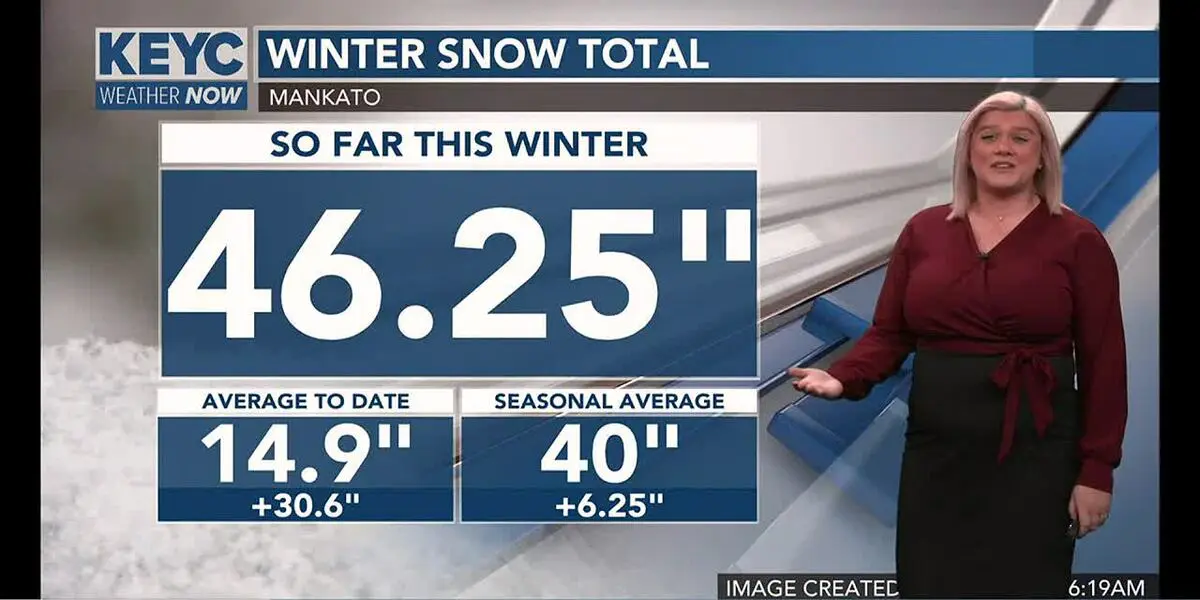
This winter season has already proven to be significant for many regions across the United States, with snowfall affecting everything from travel to local economies. Understanding snow totals so far is crucial for residents and travelers alike, as it informs safety measures, infrastructure readiness, and even economic activity within impacted areas.
Regional Snow Totals
As of late January 2024, states in the Northeast have reported substantial snow accumulations. For instance, parts of New York and Vermont have received over three feet of snow following recent storms. Meanwhile, the Midwest areas, including Wisconsin and Michigan, are recording snow totals reaching two feet due to a series of winter weather systems moving through the region.
In the West, the Sierra Nevada mountains in California are seeing near-record snowfall, benefiting the state’s water supply but also raising concerns about avalanches and treacherous travel conditions. The Pacific Northwest is not far behind, with several areas recording snowfall conducive to a strong ski season, albeit with cautious conditions for outdoor enthusiasts.
The Impact of Snow
These accumulations not only provide opportunities for winter sports but also pose challenges for local governments. Many cities have activated snow removal protocols to ensure road safety. In some instances, this has led to temporary parking bans, as crews work diligently to clear streets and sidewalks.
Travel disruptions are a notable consequence of heavy snow; multiple reports of flight delays and cancellations have emerged from major airports in affected regions. Public transportation services are also encountering challenges due to icy roads and reduced service availability.
Climate Considerations
The snow totals so far this winter echo broader climate patterns observed over recent years. Experts suggest that while winter storms can be unpredictable, the trend of increased precipitation during winter months correlates with climate change effects. As warmer air holds more moisture, regions that experience snow can see heavier and more intense snowfall events.
Conclusion
In conclusion, as snow totals build up across the country, individuals and communities must remain vigilant regarding safety and preparedness. The ongoing winter season promises both challenges and opportunities. Residents are advised to stay informed about forecast updates and local government advisories to navigate the winter landscape effectively. Continued monitoring will be vital as the season progresses, potentially leading to further snowfall and varied impacts on travel, economy, and infrastructure.