Introduction
As winter weather takes hold across the northeastern United States, Connecticut has seen a wave of school closings. Parents, students, and educators eagerly track these changes to prepare for the challenges that arise. Understanding the reasons behind these closings is crucial not only for maintaining educational continuity but also for ensuring the safety of students and staff.
Recent Developments
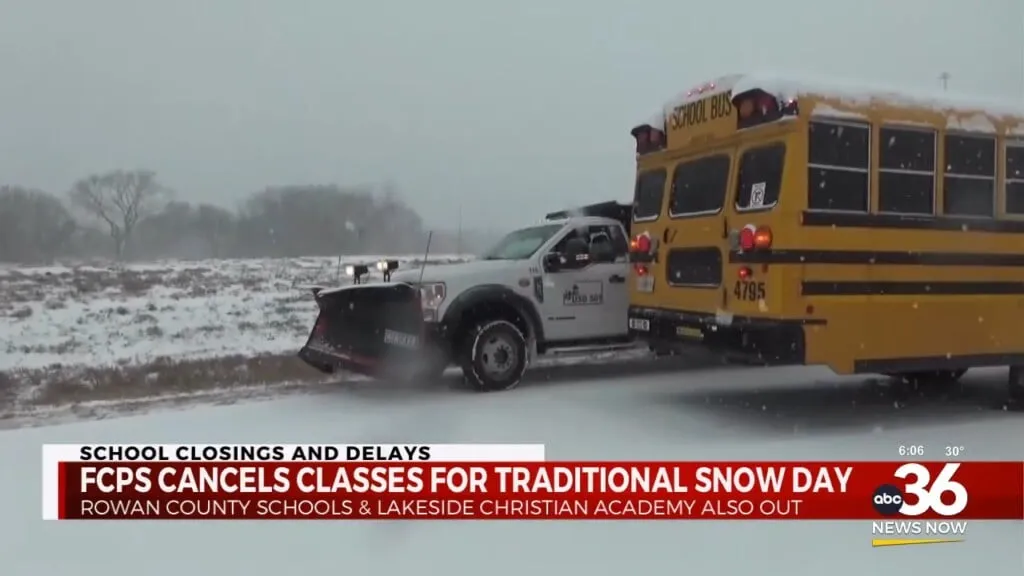
As of late January 2023, the Connecticut Department of Education reports numerous school districts have announced temporary closures due to severe snowstorms and icy conditions posing safety risks for travel. Areas such as Hartford, New Haven, and Bridgeport have experienced significant cancellations, with school officials emphasizing the importance of prioritizing student safety.
Local weather forecasts predicted heavy snowfall coupled with high winds, compelling many districts to alter their schedules. The closure notices have prompted online resources and cable news broadcasts to keep parents informed as students adjust to remote learning environments during these interruptions.
Impact on Education
The impact of school closings extends beyond temporary breaks from in-person learning. While some districts have successfully transitioned to remote education options, ensuring all students have access to necessary technology and internet services remains a challenge. Disparities in access can lead to educational setbacks, particularly for students from lower-income families.
Moreover, parental work commitments are affected when students are home. Many parents find themselves juggling responsibilities while ensuring their children continue learning. This situation has created demands for districts and community organizations to provide childcare solutions and educational resources during closures.
Looking Ahead
As the winter season continues into February, the Connecticut Department of Education anticipates more school closures may occur if severe weather persists. Officials are advising parents to stay tuned for updates via school websites, local news outlets, and social media platforms.
The coordination between state and local agencies aims to ensure swift communication regarding school operations. With snow-removal efforts and weather assessments in mind, it is essential for families to remain prepared for unanticipated changes in school schedules.
Conclusion
In conclusion, school closings in Connecticut reflect the broader impacts of winter weather on education and community life. As more districts make decisions about closures or remote learning options, understanding the context and preparing for such changes is critical for families. Moving forward, enhanced communication systems and community solidarity will play key roles in navigating the winter challenges effectively.