Introduction
As the second-largest cryptocurrency by market capitalization, Ethereum’s price is a crucial topic for investors, traders, and enthusiasts. Understanding price dynamics is important not only for making informed investment decisions but also for grasping the overall trends in blockchain technology and decentralized finance (DeFi). With Ethereum under constant scrutiny for its price fluctuations, knowing the current state and future projections is essential.
Current Price Overview
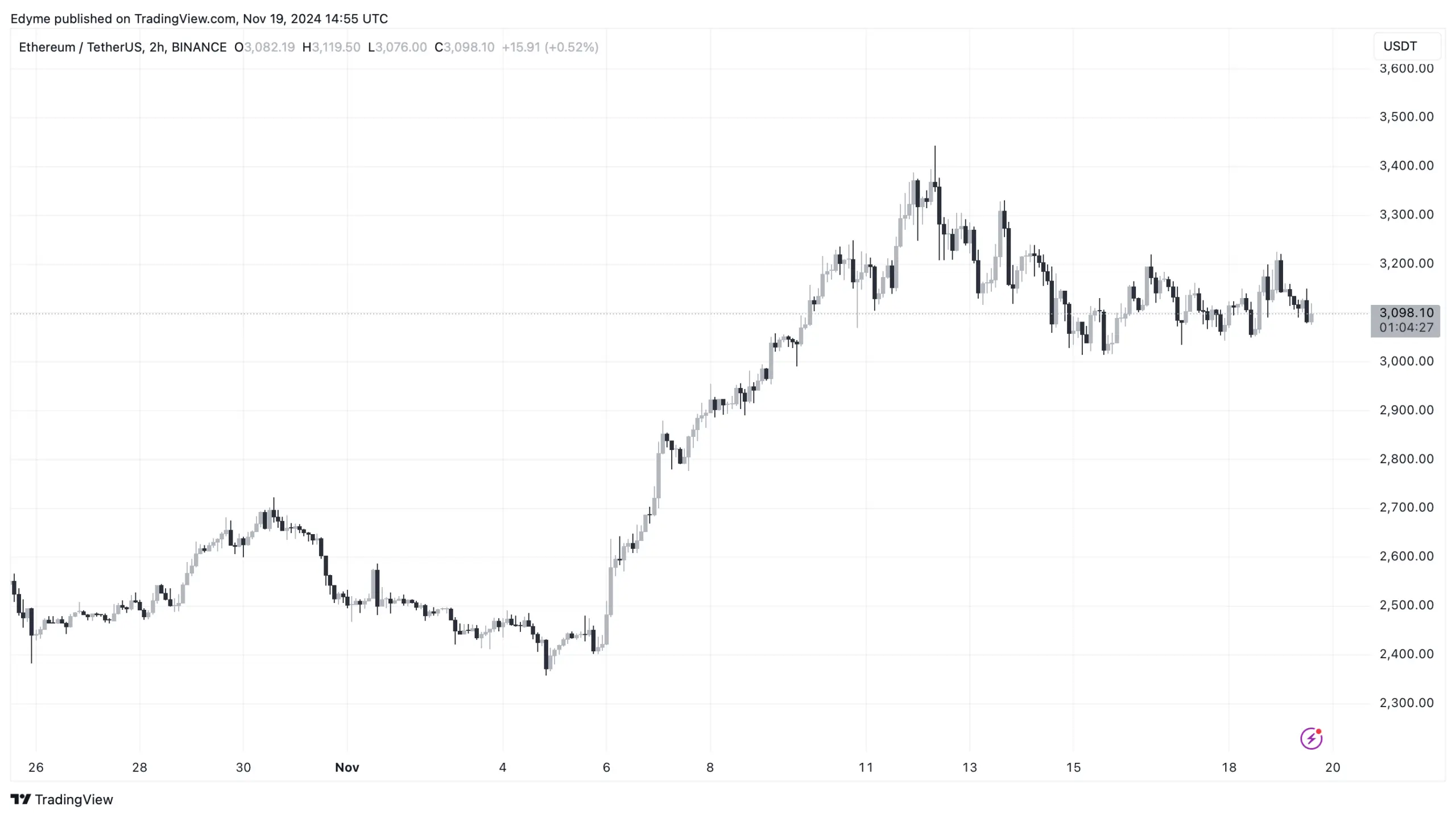
As of October 2023, Ethereum (ETH) has seen a significant range of price movements. Starting the month around $1,750, recent trading has pushed prices higher, with fluctuating values between $1,800 and $2,000. The recent rally was attributed to increased institutional interest and ongoing updates from the Ethereum network, notably improvements regarding scalability and transaction costs.
Market Influences on Ethereum Price
Several factors impact Ethereum’s price. Firstly, macroeconomic conditions, such as inflation rates, interest rate decisions by central banks, and global market trends, play a critical role. For instance, as traditional markets react to inflation concerns, shifts in investor sentiment often drive them toward cryptocurrencies like Ethereum for potential hedging against economic instability.
Secondly, developments within the Ethereum ecosystem greatly influence its price. The transition from a proof-of-work (PoW) to a proof-of-stake (PoS) model via the Ethereum 2.0 upgrade has enhanced its appeal, allowing for greater scalability, security, and functionality. Moreover, the rising interest in Decentralized Applications (dApps) and Non-Fungible Tokens (NFTs) continues to drive increased demand for ETH.
Future Predictions
Market analysts have varied opinions on the future of Ethereum’s price. Some suggest that if the current momentum continues, ETH could test new highs potentially exceeding $2,500 by the end of the year. However, others caution about potential market corrections and the volatility inherent in cryptocurrencies. Analysts recommend that investors adopt a diversified portfolio strategy to mitigate risk while participating in this highly speculative asset class.
Conclusion
The price of Ethereum is closely tied to both micro and macroeconomic factors and is highly reactive to technological developments within its ecosystem. Investors are advised to stay informed about market indicators and technological advancements while considering expert analyses. As Ethereum continues to evolve, its impact on the cryptocurrency market—and price dynamics—will undoubtedly be significant. Keeping an eye on these trends can be crucial for making strategic investment decisions in the future.