The Importance of Air Travel
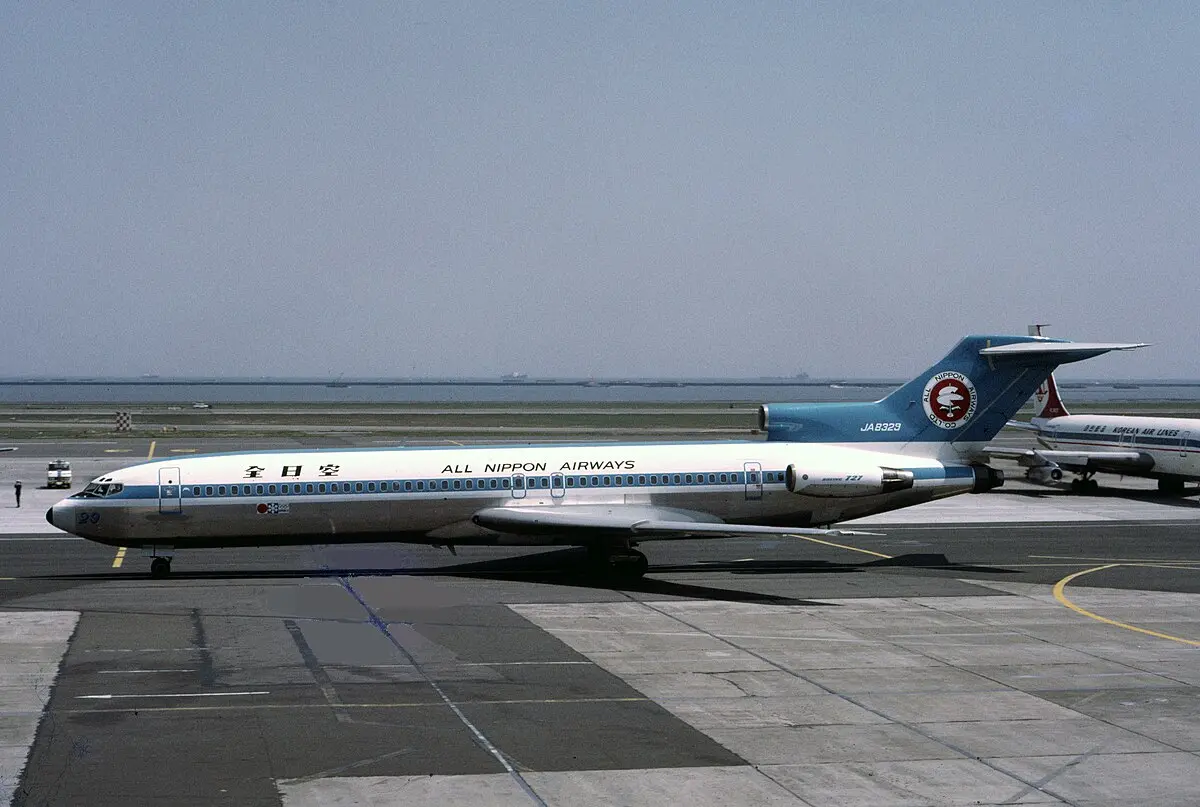
Air travel plays a critical role in global connectivity, facilitating over 4 billion passengers annually before the pandemic. The flight industry is not just a means of transportation but also a significant contributor to the economy, tourism, and international trade. Recent developments in technology and sustainability are reshaping the future of flight, making it an important topic for travelers and industry stakeholders alike.
Recent Innovations in Flight Technology
In 2023, the flight industry has witnessed various technological advancements aimed at improving efficiency and passenger experience. Notable trends include the adoption of electric and hybrid aircraft. Companies like Airbus and Boeing are researching new eco-friendly designs, reducing carbon emissions significantly. With regulations tightening globally concerning environmental impact, these innovations are crucial for the industry’s long-term sustainability.
Digital Advancements
Furthermore, airlines are increasingly utilizing artificial intelligence (AI) and data analytics to enhance operational efficiency and customer service. From personalized travel recommendations to improved flight scheduling, AI is revolutionizing the passenger experience. Additionally, many airlines have improved their mobile apps, allowing for easier check-ins and real-time updates on flight status, which is particularly important given recent disruptions in air travel.
Challenges Facing the Flight Industry
Despite these advancements, the flight industry is still recovering from the pandemic’s impacts. In 2023, labor shortages continue to challenge airlines, leading to flight cancellations and long wait times at airports. The International Air Transport Association (IATA) recently reported that airlines are working to recruit and train more staff as travel demand increases. The industry must navigate these challenges to rebuild trust and restore a seamless travel experience for passengers.
Future of Flight
Looking ahead, the flight industry forecasts a significant uptick in passenger numbers as more travelers feel confident flying again. Airlines are expected to expand their networks and optimize routes based on demand trends. Additionally, sustainability efforts will likely increase, with many companies committing to net-zero emissions by 2050. The integration of technology into everyday operations will continue to refine the travel experience, potentially transforming how future generations perceive air travel.
Conclusion
The flight industry stands at a crossroads of innovation and challenge. With technological advancements, the potential for a more sustainable future, and the ongoing recovery from the pandemic, the sector is primed for transformation. For travelers, staying informed about these developments not only enhances the travel experience but also highlights the ongoing evolution of air travel.