Introduction
The New Jersey governor polls have taken center stage as the state approaches the upcoming gubernatorial election in 2025. Understanding these polls is critical for both candidates and constituents, as they reflect public sentiment, influence campaign strategies, and provide insights into potential outcomes. In a state with a diverse population and fluctuating political alliances, these polls can shift dramatically, making them a crucial topic of interest.
Recent Polling Data
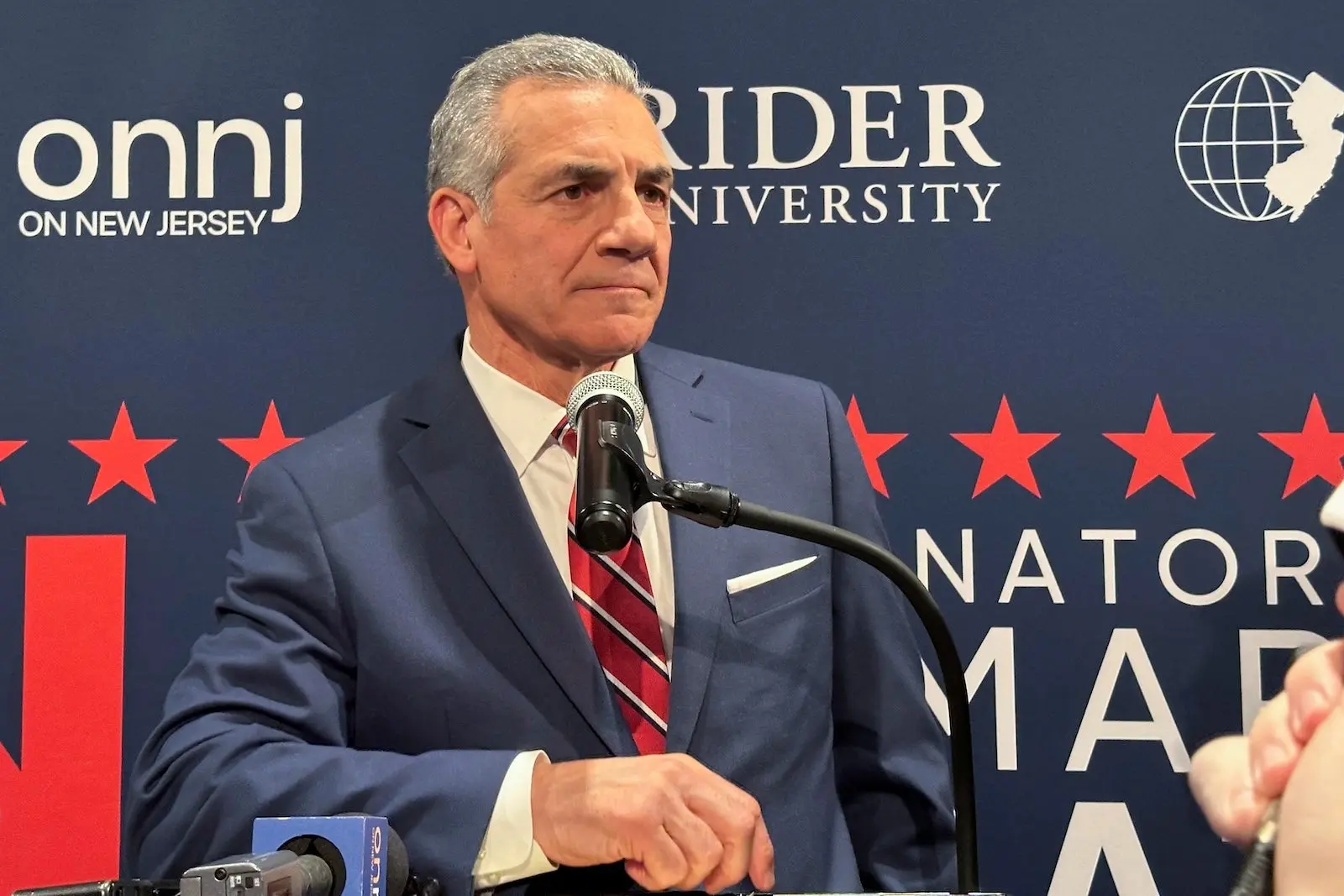
As of October 2023, the latest polls indicate a competitive race between the incumbent governor, Phil Murphy, and his potential challengers. Surveys conducted by reputable organizations such as Quinnipiac University and Monmouth University reveal that Murphy maintains a slight edge, with approximately 46% support among likely voters, while key Republican contenders trail closely behind. This polling trend is indicative of an intense political landscape, with voter concerns ranging from economic recovery post-pandemic to rising taxes and public safety.
Issues Impacting the Polls
Several issues significantly affect voter perception and polling numbers. The economy remains a top priority, as residents grapple with inflation and the cost of living. Education and public health also rank high on voters’ lists, alongside discussions surrounding climate change policies and infrastructure improvements. Candidates are leveraging these topics to connect with constituents, with many focusing on practical solutions that resonate with everyday citizens.
The Influence of Early Voting Trends
With New Jersey incorporating changes to enhance early voting procedures, analysts suggest that early voter engagement could greatly impact the polls leading up to November 2025. The expanding use of mail-in ballots and longer voting periods may shift the dynamics of traditional polling predictions, as voter turnout is crucial for both parties. Candidates are advised to prioritize outreach efforts to maximize participation in these early voting opportunities.
Conclusion
The importance of New Jersey governor polls cannot be overstated, as they provide a window into the electoral landscape shaping up for 2025. As both sides prepare their campaigns, staying attuned to public sentiment and polling data will be essential. Voter turnout and engagement in the upcoming months will likely redefine the trajectory of the race, setting the stage for an unpredictable and potentially transformative election. For voters, understanding these trends not only aids in informed decision-making but also emphasizes the power of their voice in shaping the future of New Jersey.