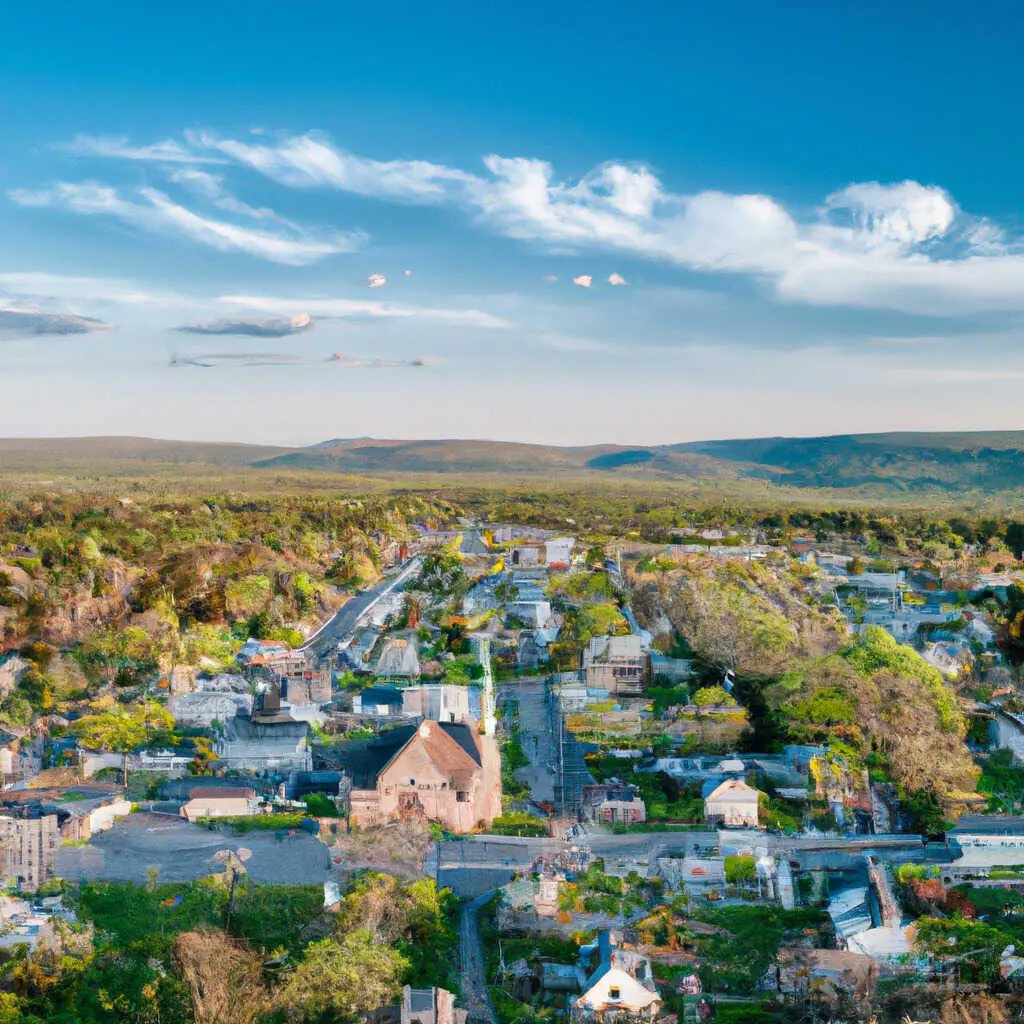
Introduction: Why Guyana Matters
Guyana, nestled on the northeastern coast of South America, is a country often overshadowed by its larger neighbors.
This unique nation is characterized by its rich biodiversity, diverse cultures, and significant natural resources, making it a subject of interest for environmentalists, travelers, and investors alike. Understanding Guyana’s current challenges and opportunities is crucial as it plays a growing role in regional and global dynamics.
Rich Cultural Tapestry
Guyana boasts a vibrant cultural mix influenced by its Indigenous peoples, African, Indian, Chinese, and European descendants. This multiculturalism is evident in the country’s festivals, cuisine, and languages, with English as the official language. Recent events, such as the annual Mashramani festival, celebrate Guyana’s independence and showcase its rich traditions through music, dance, and art.
Environmental Significance
Renowned for its stunning landscapes, Guyana is home to some of the world’s most pristine rainforests and waterways. The country is also part of the Guiana Shield, one of the oldest geological formations, which hosts an array of plant and animal species. Conservation efforts are crucial in protecting this vital ecosystem, especially as deforestation and climate change pose increasing threats.
Economic Growth Through Natural Resources
In recent years, Guyana has attracted considerable attention due to its significant oil discoveries along its coast. The first oil shipment occurred in December 2019, and production has ramped up, positioning Guyana as one of the fastest-growing economies in the world. This boom brings both hope and challenges, including the need for sustainable development practices to ensure long-term benefits for its citizens.
Political Stability and Regional Influence
Guyana’s political landscape has seen fluctuations, particularly following the 2020 elections, which ended in a protracted political crisis. However, the current administration has been focusing on improving governance and fostering transparency in the management of newfound oil wealth. This shift is essential for the country’s political stability and for gaining the trust of international investors.
Conclusion: Looking Ahead
As Guyana navigates its new status in the global arena, the balance between economic development and environmental conservation will be crucial. For readers and stakeholders, understanding the importance of Guyana is essential; it stands as a beacon of potential, rich in culture and natural beauty while also facing challenges that require strategic thinking and commitment from its leaders. As the country moves forward, the world will be watching closely to see how it manages its resources and heritage for future generations.