Introduction
Dortmund, a city in North Rhine-Westphalia, Germany, is a dynamic hub known for its rich industrial history and vibrant cultural scene. Recent developments in sports, particularly football, and cultural activities have thrust Dortmund into the limelight, drawing visitors and sports enthusiasts from around the globe. The city’s passion for football, especially its prominent club Borussia Dortmund, makes it a significant part of the sports landscape in Germany.
Football Fever in Dortmund
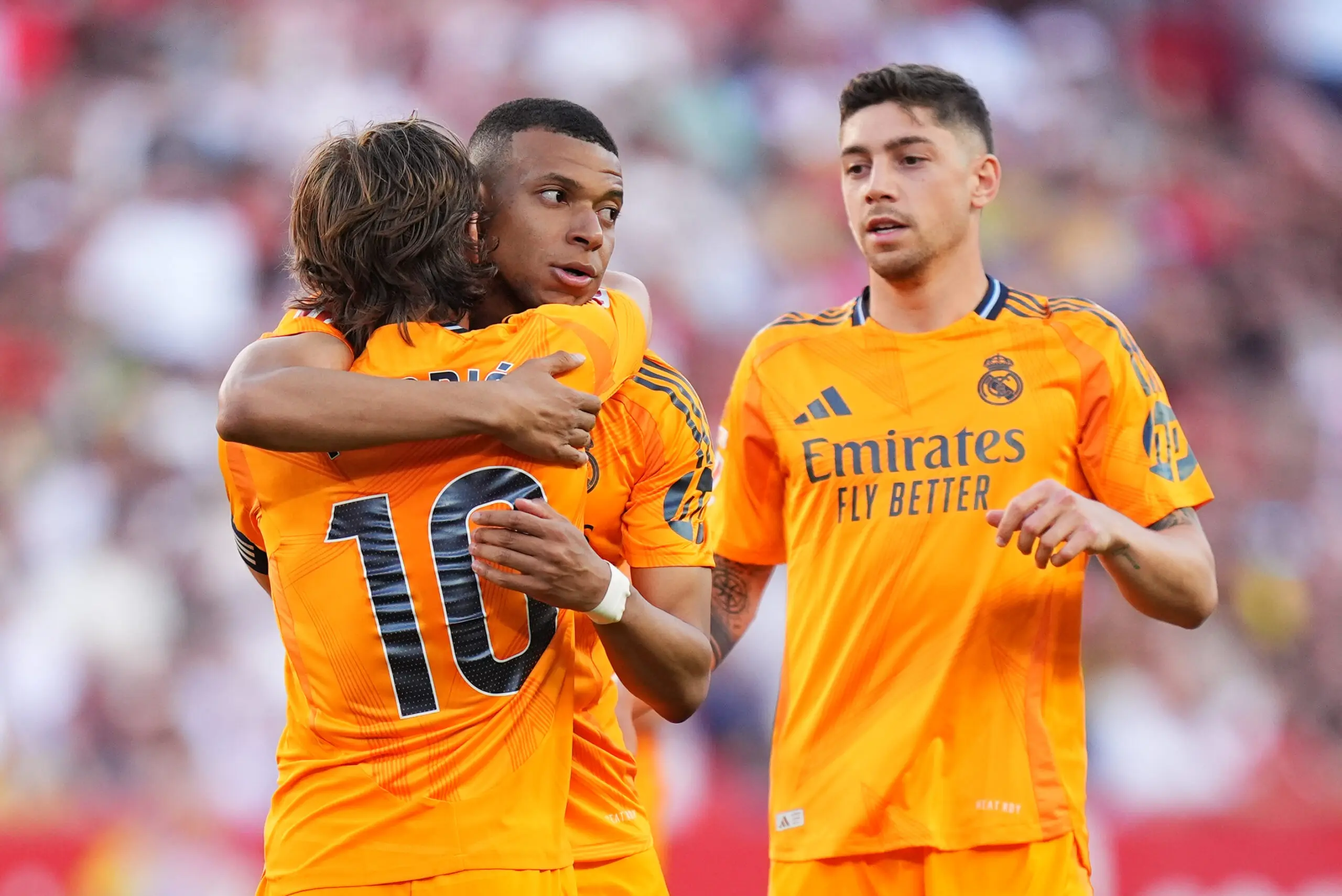
The heartbeat of Dortmund can be felt pulsating through its iconic Signal Iduna Park, home to Borussia Dortmund. The stadium, which boasts a capacity of over 81,000, is renowned for its electrifying atmosphere, particularly during home matches. Borussia Dortmund has had a remarkable run in recent seasons, regularly competing for titles in the Bundesliga and making significant strides in European competitions. As of 2023, the team is set to kick off the new Bundesliga season with renewed hopes following strategic player acquisitions and strong performances in the international arena.
Cultural Landscape
Beyond football, Dortmund is rich in cultural offerings. The city’s RevierSport showcases a blend of industrial heritage and modern creativity, hosting events like the annual Dortmund Music Festival that attracts global talent. Venues such as the Dortmunder U, a cultural center housed in a former brewery, host exhibitions and events that display both contemporary art and the city’s industrial history. Moreover, the culinary scene is flourishing, with craft breweries and diverse restaurants that reflect the region’s commitment to quality and tradition.
Tourism and Economy
Dortmund’s tourism sector is gaining momentum, with visitors drawn to both the football matches and its cultural attractions. The city’s public transport system ensures easy access to key sites, enhancing the experience for tourists. Reports indicate that in recent years, Dortmund has seen a significant uptick in visitors, contributing positively to the local economy. Additionally, investments in infrastructure and community projects aim to sustain this growth and improve the quality of life for residents and visitors alike.
Conclusion
Dortmund stands at the intersection of history and modernity. With its passionate sports culture, particularly in football, and a robust arts scene, the city is carving out its identity as a must-visit destination in Germany. Looking ahead, Dortmund is poised for further growth in tourism and cultural offerings. Its legacy as a sports powerhouse and a center of creativity will continue to attract attention, making it a vital part of both regional and national identity.