Introduction
National parks in the United States are vital treasures that protect the country’s rich natural resources and cultural heritage. Spanning across diverse ecosystems, from majestic mountains to serene deserts, these parks not only contribute to biodiversity and conservation but also offer recreational opportunities for millions of visitors each year. As more people seek outdoor experiences in a post-pandemic world, understanding the significance and current developments in these national parks is crucial.
Highlights and Developments in 2023
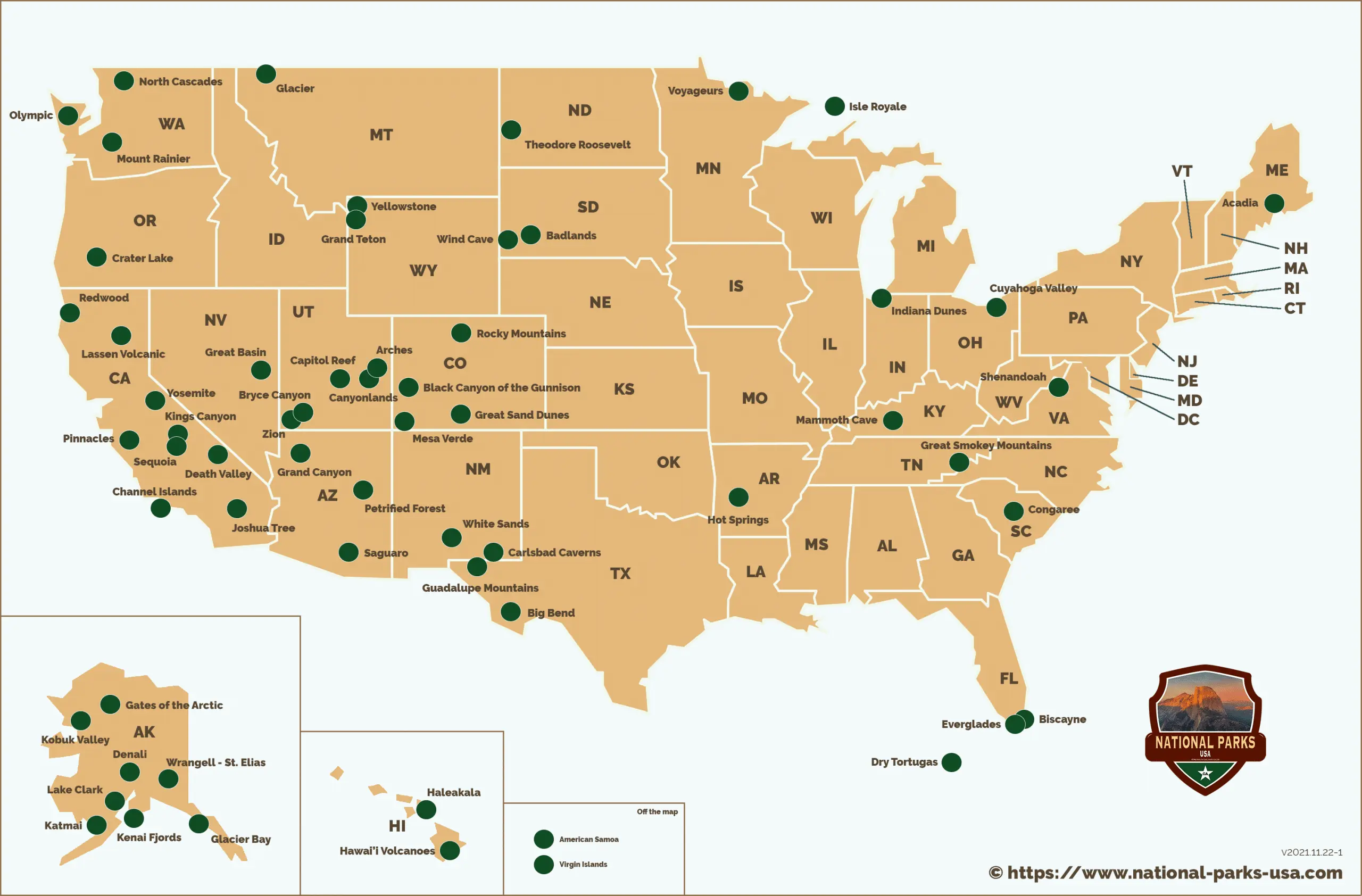
As of 2023, national parks in the USA have been seeing a resurgence in visitors, with numbers reaching a record high due to increased interest in outdoor activities. According to the National Park Service, visitation statistics show that over 300 million people explored national parks last year, with popular destinations like Yellowstone, the Grand Canyon, and Zion National Park leading the way.
This increase in traffic has led to both positive and negative outcomes. On one hand, local economies benefit from tourism, generating jobs and income in surrounding communities. On the other hand, some parks have reported issues with overcrowding, which can strain resources and impact the natural environment. To combat these challenges, park authorities are implementing measures such as timed entry systems and enhanced visitor education programs.
Conservation Efforts and Challenges
In recent years, a significant focus has been placed on conservation and the protection of natural habitats. Initiatives to restore ecosystems have gained momentum, including efforts to control invasive species and mitigate the effects of climate change. In 2023, several parks launched new programs aimed at educating visitors about their environmental impact and promoting sustainable practices while enjoying these natural wonders.
Moreover, federal funding aimed at infrastructural upgrades, maintenance, and staff hiring has allowed many parks to improve visitor facilities and enhance their conservation efforts. Recent budget allocations have highlighted the importance of keeping parks well-maintained while sustaining their ecological integrity.
Conclusion
The national parks of the USA are not just recreational spaces; they are essential for preserving the biodiversity and stunning landscapes that define the American wilderness. As visitor numbers increase and environmental challenges persist, it will be vital for park management and government officials to find a balance that ensures these areas remain pristine and accessible for future generations. By cultivating a deeper understanding of their significance, we can all play a role in protecting these national treasures and fostering a lasting appreciation for natural beauty.