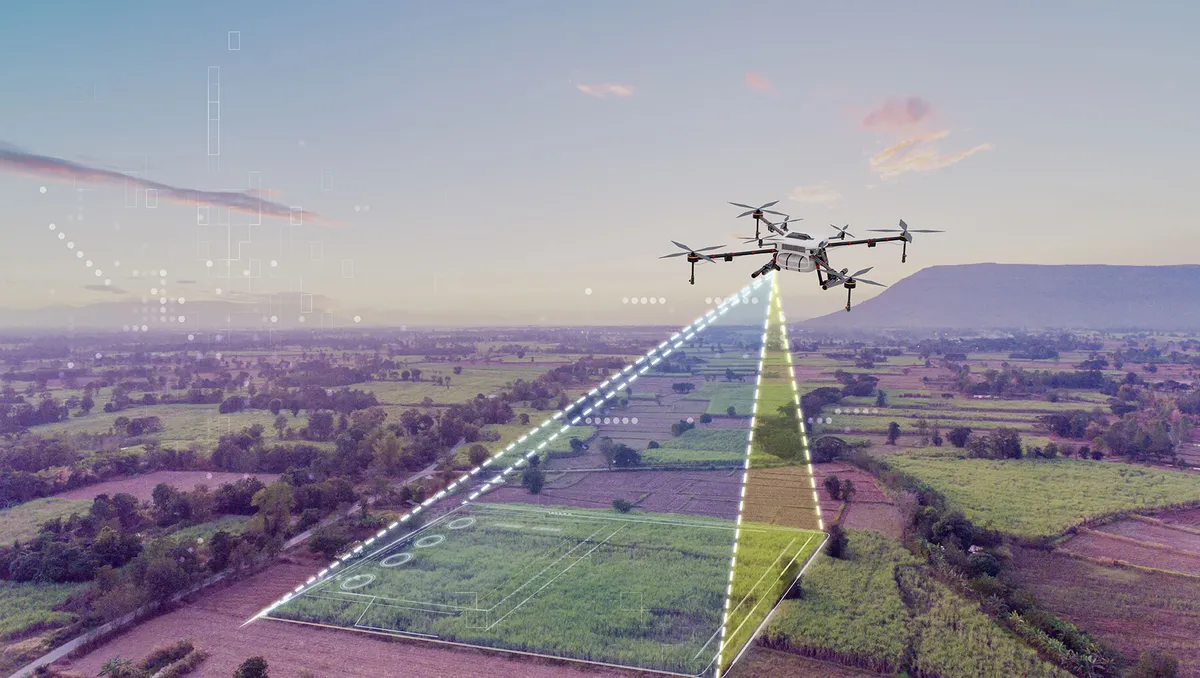
What does the future hold for drones in both civilian and military applications? The answer lies in evolving regulations and groundbreaking initiatives that are shaping the landscape of unmanned aerial vehicles (UAVs).
The Federal Aviation Administration (FAA) has established a framework for drone pilots through the Part 107 test, officially known as the Unmanned Aircraft General – Small (UAG) Knowledge Test. This test is administered in person at approximately 700 FAA-approved testing centers across the United States. The fee for taking the test is $175, which is required whether the candidate passes or fails.
The Part 107 test consists of 60 multiple-choice questions, with a time limit of 2 hours. As of 2025, the average score on this test was 79.31%, with a pass rate of 82.96%. Despite these statistics, drone pilots consistently experience the lowest pass rates among FAA Airman Knowledge Tests. This indicates a need for better preparation and understanding of the material, as one expert noted, “It is very doable, and the right preparation makes all the difference.”
What the data shows
Since 2021, the FAA has made significant changes to the Part 107 test, including the addition of questions related to night flying and the requirement for Remote ID, which became mandatory in 2023. This requirement aims to enhance safety and accountability among drone operators.
On the military front, the Pentagon is advancing its capabilities with an initiative called Swarm Forge, which focuses on developing autonomous drone swarms. This initiative aims to validate and field AI-enabled collaborative, autonomous systems. The Pentagon plans to conduct a demonstration event for these drone swarms, named ‘Crucible,’ in June 2026. The solicitation for Swarm Forge has highlighted a critical gap: the U.S. military currently lacks the inventory and doctrine for massed, coordinated robotic systems.
As one military official stated, “The absence of integrated doctrine, training, and operational concepts for large-scale robotic employment leaves the joint force at risk of strategic and tactical disadvantage.” The Pentagon aims to deliver “validated swarm packages” that are ready for transition to operational units in 90 days or less, indicating a rapid evolution in military drone capabilities.
The developments in both civilian and military drone applications illustrate a significant shift in how drones are perceived and utilized. As regulations evolve and technology advances, the landscape of drone operations is set to change dramatically. However, details remain unconfirmed regarding the full extent of these changes and their implications for both sectors.