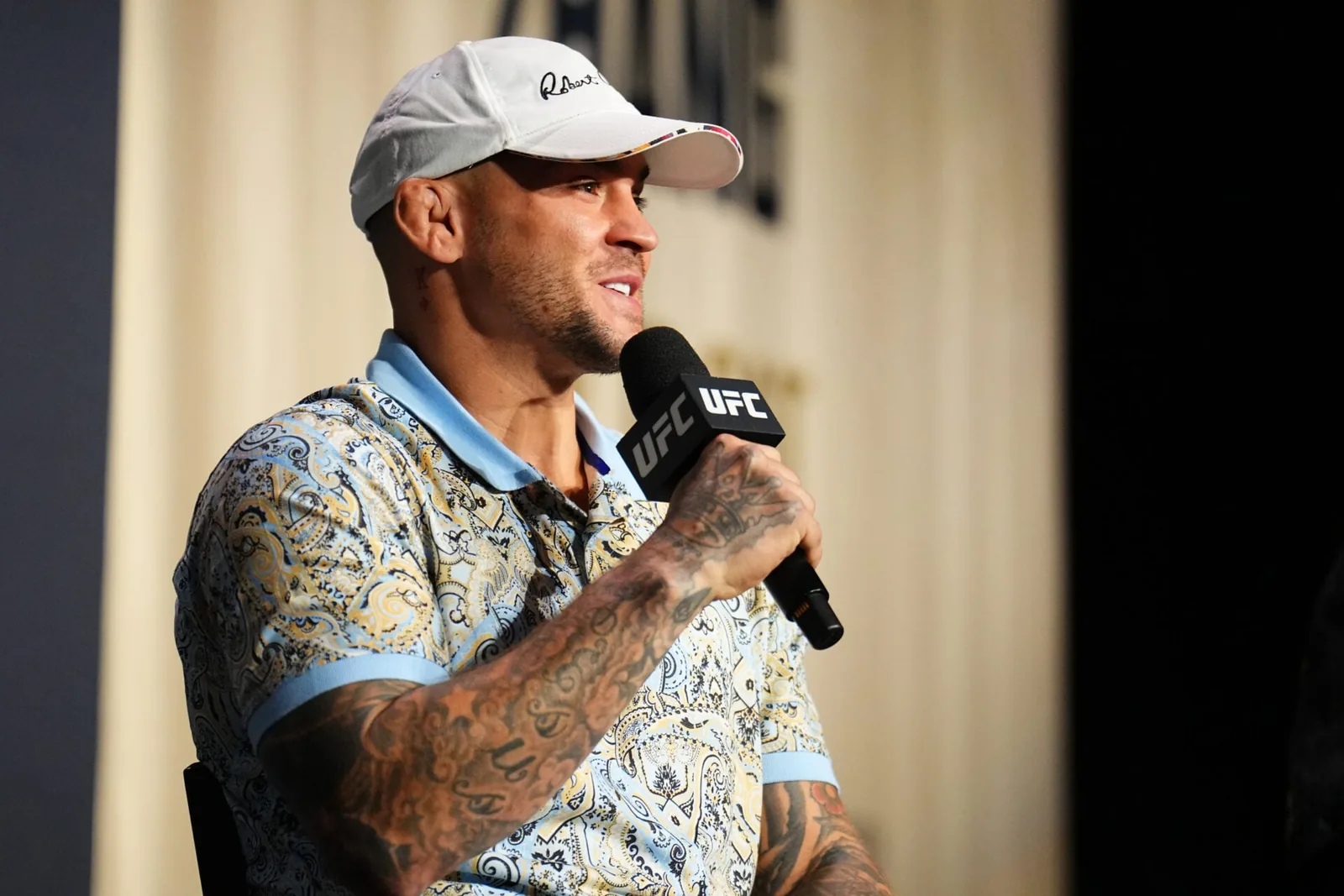
Dustin Poirier, known as “The Diamond” in mixed martial arts, recently addressed the circumstances surrounding his arrest at the Atlanta Airport and the subsequent termination of a major sponsorship. The incident, which occurred approximately a month prior to his recent interview, involved Poirier being publicly intoxicated and denied entry to his flight. He was charged with a misdemeanor after an argument with gate agents and a police officer.
Poirier discussed the fallout from the event, including the immediate loss of his sponsorship with Bud Light. He revealed that the beer company terminated his contract shortly after the incident, which he acknowledged was heavily influenced by alcohol. The financial impact of this decision was significant, with Poirier stating that the remaining value on the contract was “a few hundred thousand dollars.”
Despite the financial setback, Poirier expressed a positive outlook on the situation. He indicated that losing the sponsorship made sense, stating, “It’s all good, I don’t need that f—ing poison in my life.” He also mentioned that he would not want to represent a product he was not actively participating in or promoting. This perspective suggests Poirier is looking for ways to improve following the incident.
UFC’s Response and Continued Involvement
Following his arrest, Dustin Poirier received immediate support from the UFC. He recounted that Hunter Campbell, a UFC executive, contacted him the day after the incident to offer assistance. Poirier stated that Campbell assured him of the UFC’s full backing, emphasizing that the organization would not let someone who had fought for the company for over 15 years handle such a situation alone. This outreach provided reassurance to Poirier, who had questioned what the incident might mean for his ongoing work with the promotion.
Poirier has continued his involvement with the UFC through the “Deep Waters” podcast, where he co-hosts alongside Din Thomas, Jorge Masvidal, and Chris Weidman. He also confirmed that he is scheduled to return to his role as a desk analyst for a live UFC broadcast in August. Specifically, he mentioned being scheduled to work the desk for a fight involving Mateusz Gamrot at the Apex, noting that his return to this role had been uncertain.
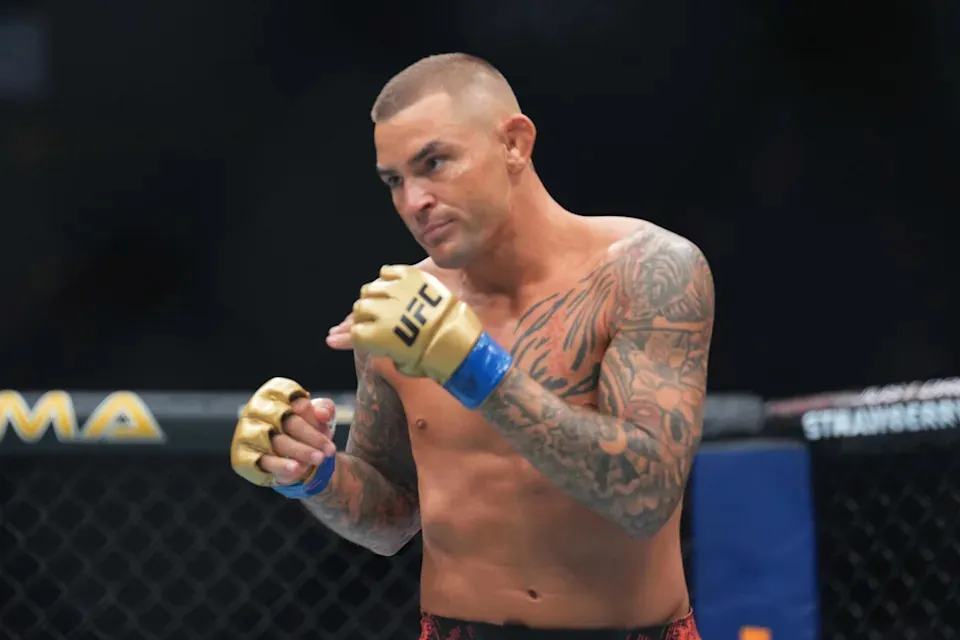
While Poirier has maintained his professional ties with the UFC, he noted that he had not heard directly from Dana White, the UFC president, since the arrest. White had previously confirmed that the UFC has a wellness program, similar to the WWE, though specific details of this program were not elaborated upon.
Reflections on Retirement and Personal Challenges
The incident and its aftermath have also prompted Dustin Poirier to reflect on his life post-retirement from active fighting, which occurred approximately eleven months prior to the arrest. Poirier, who retired in 2025 with a professional record of thirty wins and ten losses, is notably the only fighter to have knocked out Conor McGregor. He also established the Good Fight Foundation in 2018 with his wife, Jolie, an organization that has supported schoolchildren in Louisiana and funded water wells in Uganda.
Poirier openly discussed the challenges of transitioning from a career that defined him for two decades. He admitted to experiencing a void, stating, “For twenty years I was dreaming about being the best. I just want to dream again.” He described the fulfillment he now finds in broadcasting work as reaching only about twenty percent of what fighting once provided. This experience aligns with a psychological phenomenon known as identity foreclosure, where an individual’s sense of self is deeply tied to a specific role, and its removal can lead to feelings akin to bereavement.
Poirier’s personal history includes early exposure to alcohol, starting at a young age, and a challenging upbringing with an alcoholic father. He acknowledged his own responsibility in the airport incident, stating, “I did that, I decided to drink that day, it’s all on me.” He has also revealed that a neurologist identified structural changes in his brain, including thinning in certain regions and separation in his brain’s septum, which the specialist linked to cumulative head trauma. Poirier was careful to note that a definitive diagnosis of conditions like chronic traumatic encephalopathy (CTE) can only be confirmed posthumously.
Poirier’s willingness to discuss these personal struggles, including his long-standing “bad relationship with alcohol,” highlights the broader issues many athletes face, particularly after retirement. His continued work with the UFC and his candidness about his experiences mark a significant step in addressing these challenges.
Read Also
Source: sports.yahoo.com