In a recent exchange, California Governor Gavin Newsom has openly discussed his struggle with dyslexia, a learning disorder that affects reading, writing, spelling, and speaking. This revelation comes amidst comments from former President Donald Trump, who has suggested that Newsom’s dyslexia disqualifies him from being president.
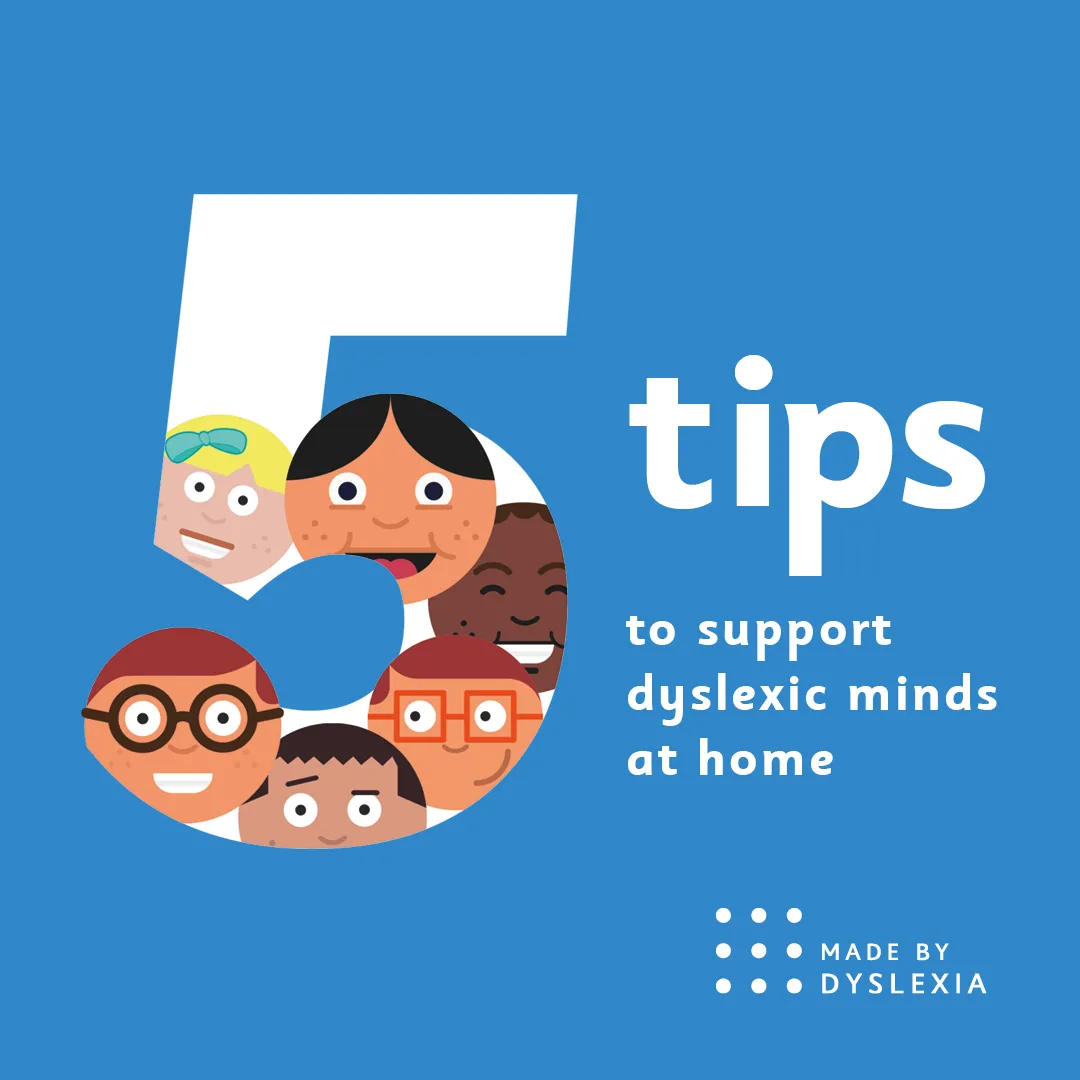
Approximately 20% of the population is affected by dyslexia, a condition that has no connection to a person’s overall intelligence. Newsom, in a candid interview, described his dyslexia as a “superpower,” highlighting how he has navigated his academic challenges.
Trump’s remarks have sparked controversy, as he has made multiple comments about Newsom’s learning disability over the past week. He stated, “Honestly, I’m all for people with learning disabilities, but not for my president. I don’t want, I think a president should not have learning disabilities, OK?” This statement has drawn criticism for its implications regarding the capabilities of individuals with disabilities.
Newsom’s press office responded to Trump’s comments by suggesting that he seek mental treatment, indicating the contentious nature of their relationship. The governor has previously discussed his academic struggles and diagnosis of dyslexia in his memoir, further emphasizing the personal impact of this learning disorder.
Trump’s history with disabilities includes past criticism for mocking a reporter with a disability during his 2015 campaign, raising questions about his approach to such sensitive topics. In response to Trump’s comments, Newsom remarked, “I spoke about my dyslexia. I know that’s hard for a brain-dead moron who bombs children and protects pedophiles to understand. It’s the greatest thing in hindsight to happen to me.”
The ongoing dialogue surrounding dyslexia and leadership qualifications reflects broader societal attitudes towards learning disabilities. As discussions continue, the implications of such remarks on public perception and the political landscape remain significant.
Details remain unconfirmed regarding any further developments in this discourse, but the reactions from both figures highlight the complexities of discussing disabilities in the political arena.