The numbers
The El Niño Southern Oscillation (ENSO) is poised for a significant resurgence, with forecasters estimating a 62% chance of El Niño emerging between June and August 2026. This phenomenon, characterized by warmer ocean temperatures, is known to have far-reaching effects on global weather patterns.
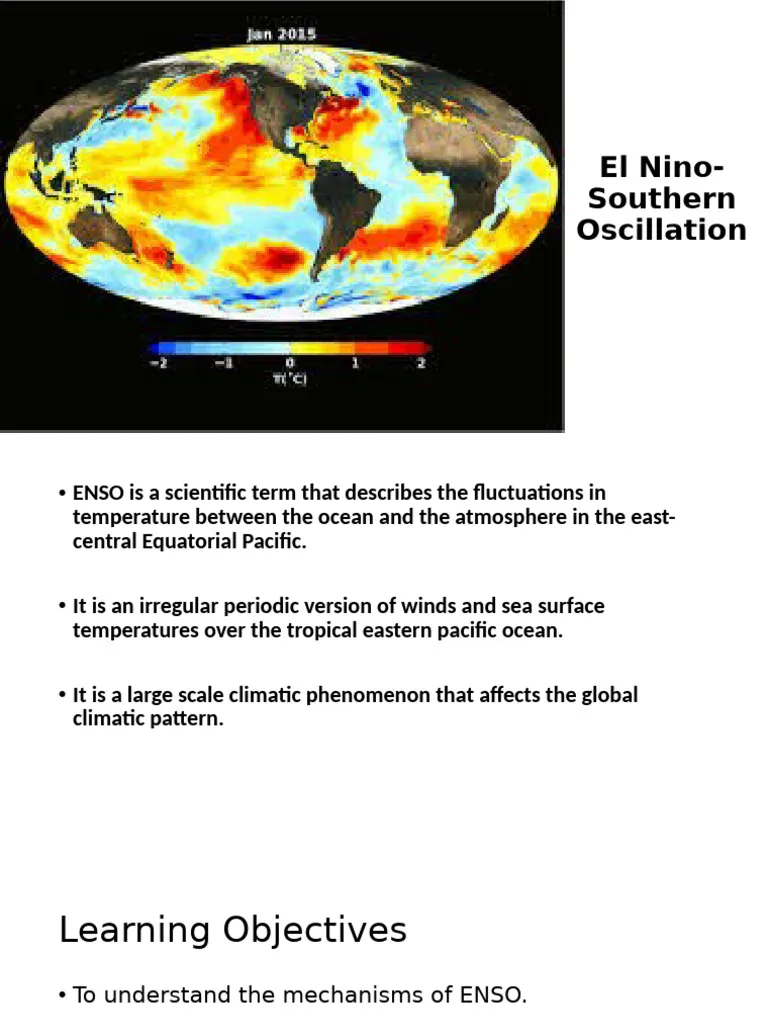
El Niño is the warm phase of the ENSO cycle, which typically alternates between warm El Niño and cold La Niña phases every two to seven years. The last major El Niño event occurred between May 2023 and March 2024, contributing to record-breaking heat in 2023 and 2024. Notably, the last super El Niño, defined as an event where sea surface temperatures rise at least 3.6°F (2°C) above the long-term average, took place during 2015-2016.
According to Paul Pastelok, a senior meteorologist, “Intensity is uncertain but there is potential for a moderate to possibly strong El Niño this fall into winter.” The implications of such an event could be significant, as super El Niño events typically last longer than standard occurrences, sometimes extending from 12 to 18 months.
The effects of El Niño are multifaceted. It tends to strengthen hurricane activity over the central and eastern Pacific while suppressing hurricanes in the Atlantic. This shifting weather pattern can lead to drastic changes in agricultural yields and increase the frequency of extreme weather events worldwide. Zeke Hausfather, a climate scientist, noted, “The El Niño cometh. This would push up our estimate for 2026 global temperatures, and make 2027 very likely to be the warmest year on record given the historical lag between ENSO and surface temperature.”
Forecasters are also monitoring the potential for a super El Niño to develop by the end of the hurricane season in November 2026, with a 15% chance of this scenario unfolding. If realized, the effects could push global temperatures in 2027 to unprecedented heights, making it a year to watch closely.
El Niño events have historically produced temperature extremes that were once deemed impossible in previous decades. As climate change continues to evolve, the interaction between these phenomena and global warming trends adds another layer of complexity to predictions. Details remain unconfirmed regarding the exact intensity of the upcoming El Niño and its potential impacts on global temperatures and weather patterns, which depend on various factors.
As the world prepares for the next phase of the El Niño Southern Oscillation, observers are keenly aware of the potential for significant changes in climate dynamics. The timing and intensity predictions suggest this summer could mark a pivotal point for global weather patterns, impacting everything from agricultural yields to extreme weather events worldwide.