Introduction
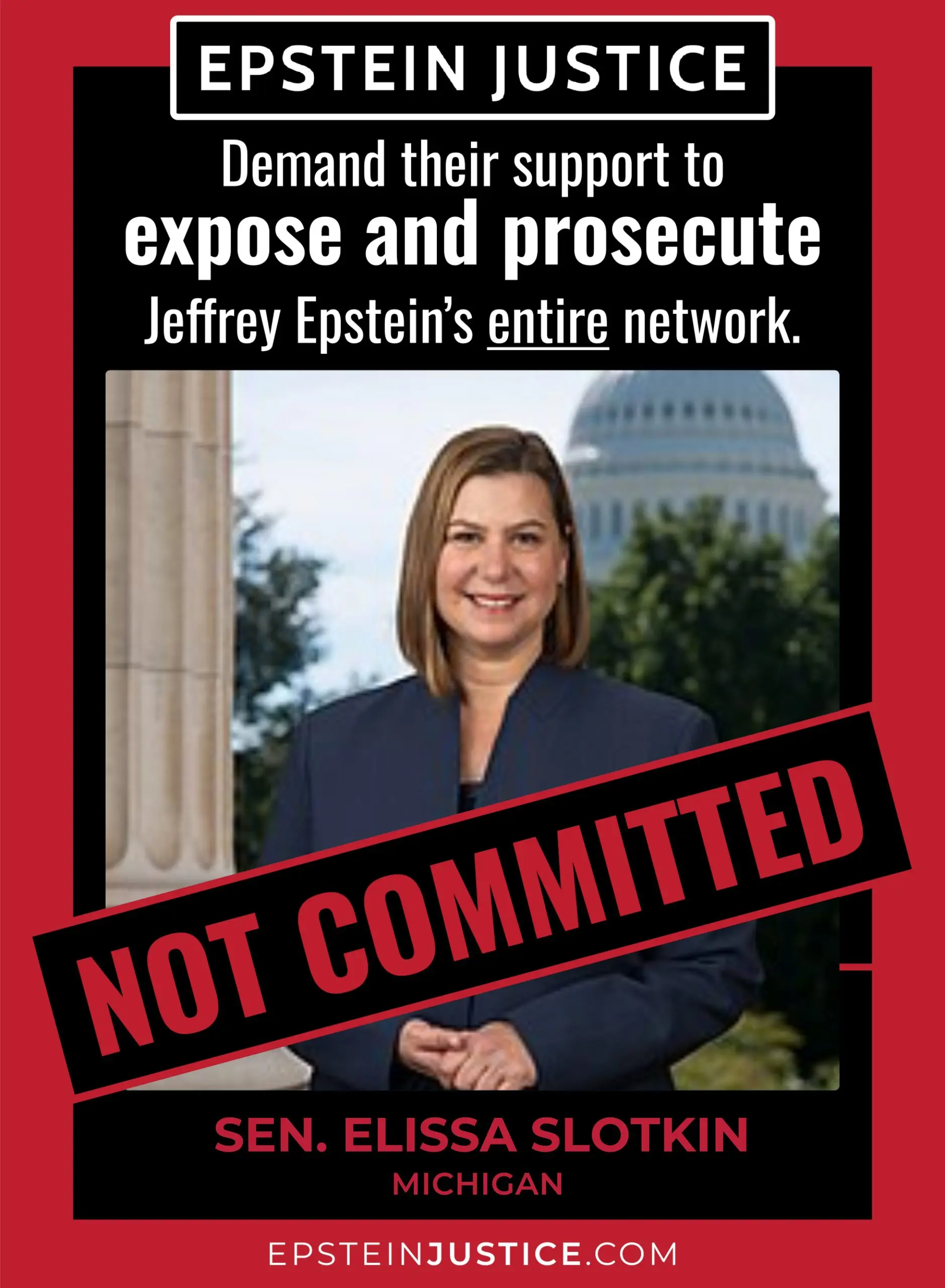
Elissa Slotkin, a Democrat representing Michigan’s 7th congressional district, has emerged as a significant figure in U.S. politics, especially following the 2020 elections. Known for her pragmatic approach and focus on bipartisan solutions, Slotkin’s work has drawn considerable attention both locally and nationally. As issues surrounding healthcare, climate change, and economic recovery intensify, Slotkin’s role in Congress becomes increasingly relevant.
Background and Political Career
Slotkin, who previously served as a CIA officer and in various roles within the Department of Defense, brings a wealth of experience to her position. She was first elected to Congress in 2018 and quickly established herself as a voice for her constituents, handling complicated issues from a non-partisan perspective. In her recent re-election campaign, Slotkin focused on her achievements, such as supporting small businesses during the COVID-19 pandemic and championing mental health resources.
Recent Developments
As of October 2023, Slotkin is actively engaged in several pressing legislative initiatives. She has taken a prominent stance on climate change, advocating for comprehensive legislation aimed at reducing carbon emissions and promoting renewable energy. Slotkin has also been vocal about the need for healthcare reform, emphasizing the importance of affordable care access for all Americans. Her efforts have garnered praise from environmental groups and healthcare advocates alike.
Community Engagement
Slotkin maintains a strong connection with her constituents, frequently holding town halls and listening sessions to address their concerns directly. Her commitment to transparency and accessibility has played a crucial role in her popularity within her district. Recently, she hosted a series of community forums focusing on economic recovery post-pandemic, allowing residents to voice their concerns while providing valuable information about government resources.
Conclusion
As Elissa Slotkin continues to navigate the complexities of American politics, her commitment to her principles and her constituents stands out. With looming elections, she is likely to face challenges that will test her resolve and strategies. Observers speculate that her rising prominence might position her for higher leadership roles in the future, potentially impacting the Democratic Party’s direction in the coming years. For readers, keeping an eye on Slotkin’s career will provide insight into the evolving political landscape in the United States.