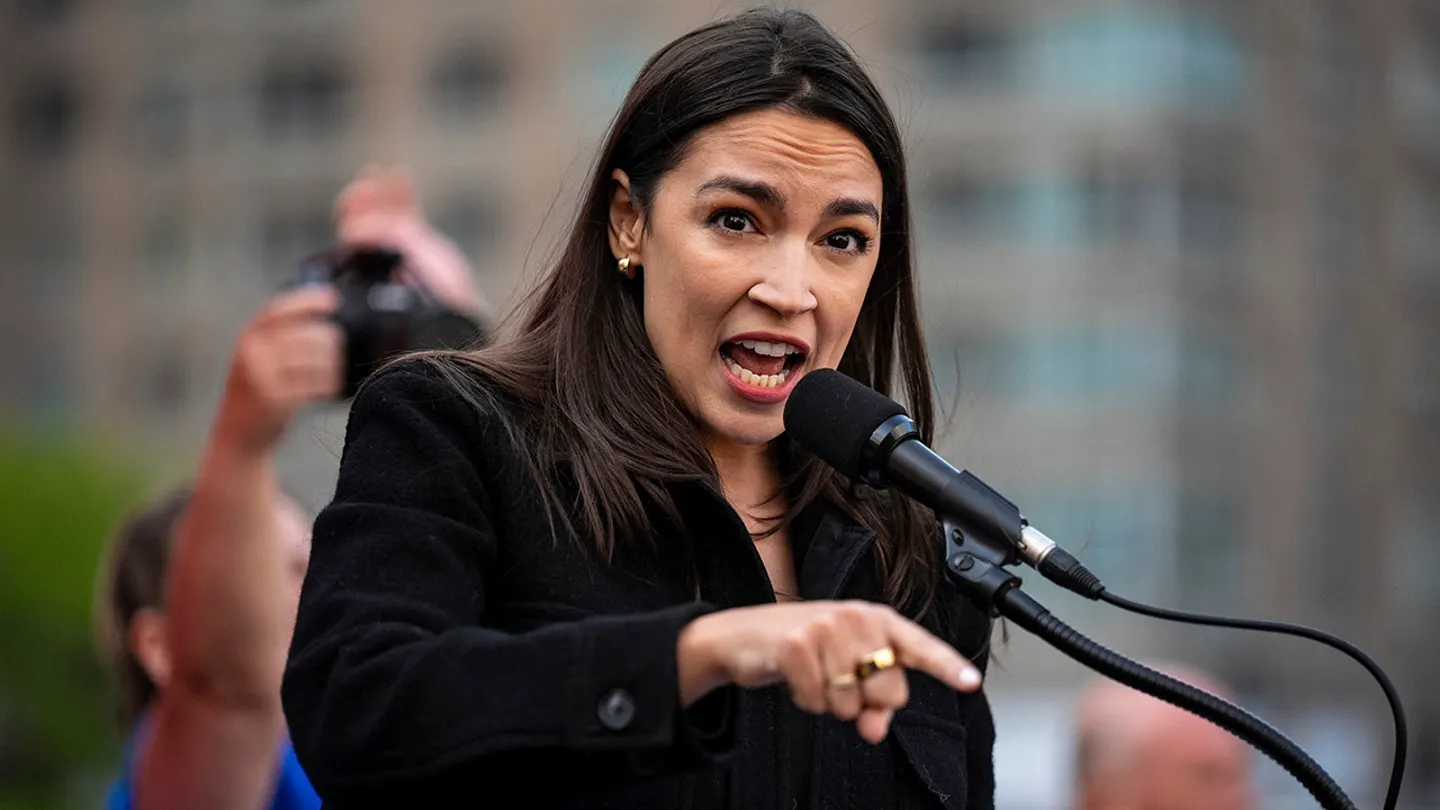
On March 27, 2026, Senator Elissa Slotkin introduced legislation in Washington, D.C. aimed at regulating prediction markets and preventing insider trading by government officials. The bill, known as the Public Integrity in Financial Prediction Markets Act of 2026, seeks to prohibit officials from using insider information for personal profit in these markets.
The proposed legislation includes penalties for violations, with fines of up to $500 or double the profit made on the bet. Additionally, officials would be required to report any bets valued at more than $250. This measure applies to federally elected officials, political appointees, and government employees.
Slotkin’s initiative comes amid growing concerns about insider trading in prediction markets, particularly related to military actions. Recent reports indicated that 150 bettors predicted U.S. military action against Iran, with at least 109 accounts on Polymarket earning a total of $10,000. Notably, six accounts reportedly made a combined profit of $1.2 million during U.S.-Israeli strikes on Iran.
Slotkin emphasized the importance of maintaining integrity in public service, stating, “Public service should never be a pathway to personal profit based on insider information.” Her colleague, Senator Todd Young, echoed this sentiment, asserting, “No one should be profiting off the information and knowledge gained as a public servant, period.”
This bill is part of a broader legislative effort to regulate prediction markets and ensure that public officials adhere to ethical standards. Slotkin remarked, “This bill is an important first step in placing common sense rules around prediction markets.”
As the legislation moves forward, it aims to extend existing insider trading principles to prediction markets, addressing a significant gap in current regulations. Concerns about the potential for abuse in these markets have prompted lawmakers to take action.
Details remain unconfirmed regarding the bill’s reception in Congress and its potential for bipartisan support. However, the introduction of this legislation marks a significant step in addressing the ethical implications of prediction markets in the context of government operations.