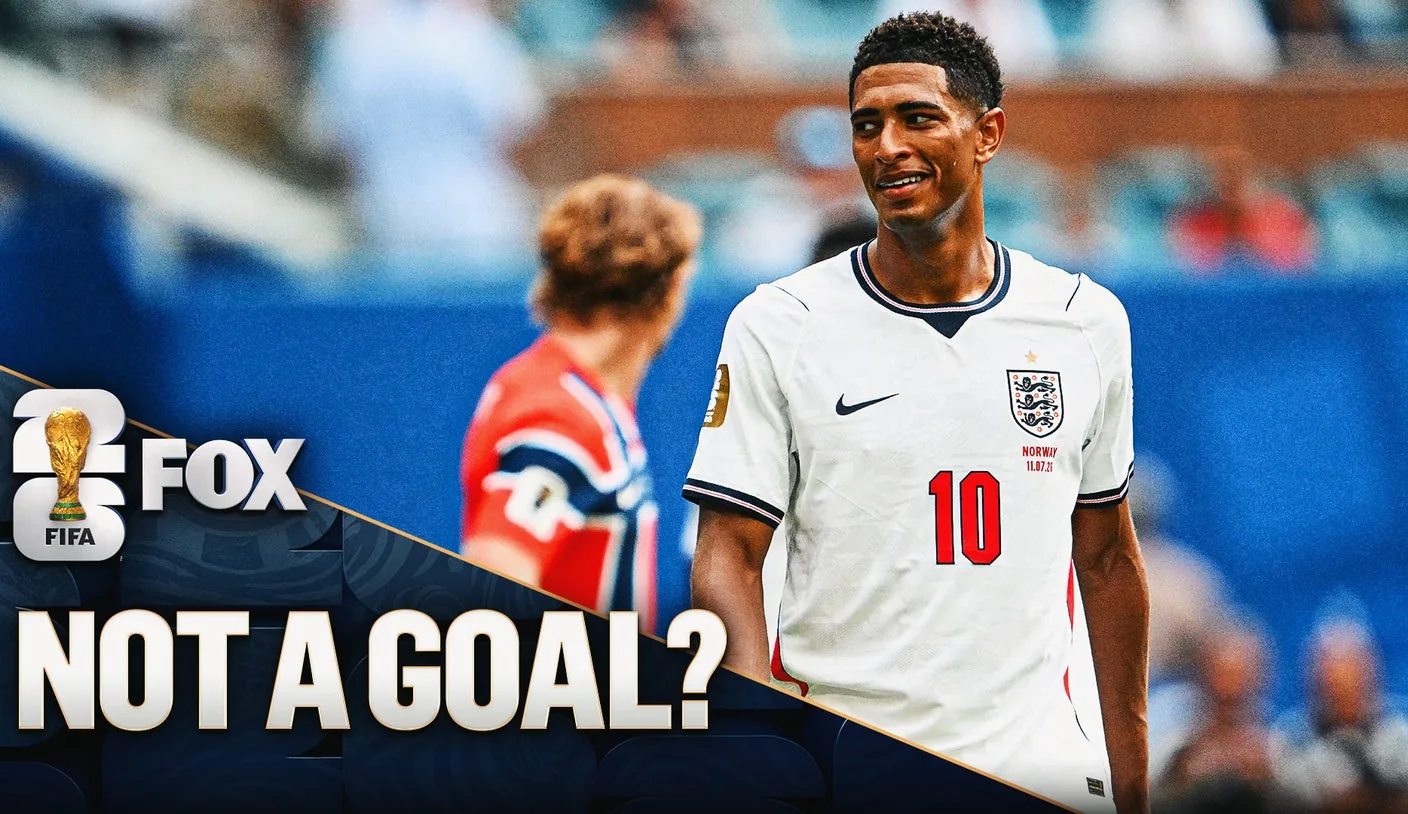
England advanced to the World Cup semifinals after a 2-1 victory over Norway in Miami, a match marked by two goals from Jude Bellingham and several controversial decisions. The game saw England dominate early possession but struggle to create scoring opportunities.
Norway took the lead when Andreas Schjelderup scored from the left side of the box in the 36th minute. England’s equalizer, however, sparked significant debate. Following a goal kick from Norway’s goalkeeper Orjan Nyland, the ball appeared to strike an overhead sky camera wire before falling to Elliot Anderson. Anderson then passed to Anthony Gordon, who found Bellingham, leading to his first goal just before halftime.
FIFA later stated that its ball chip technology indicated no contact between the ball and the wire or camera. Despite this, Norway’s coach Stale Solbakken and Nyland expressed their belief that the ball had indeed hit the cable, pointing to the sky in protest.
Controversial decisions and disallowed goals
The controversy continued into the second half. Norway had a goal disallowed after a review. Torbjorn Heggem scored from a corner, but the goal was overturned due to an initial push by Erling Haaland on Elliot Anderson before the corner kick was taken. This decision further angered the Norwegian side.
According to one rules analyst, if the ball strikes an object in the field of play that is not a player, play should be stopped and reviewed by VAR. The analyst suggested that the contact with the camera cable, if it led to a goal, should have been identified by VAR.
England also experienced a VAR reversal later in the match. A penalty was initially awarded to England after Djed Spence went down in the box, but referee Clement Turpin overturned the decision after a review.
Bellingham’s decisive performance
Despite the contentious moments, Bellingham proved to be a pivotal player for England. He scored his first goal late in the first half to level the score at 1-1. His second goal, the winner, came early in extra time after Nyland fumbled a shot from Morgan Rogers, allowing Bellingham to score from the rebound.
Bellingham’s performance was described as remarkably decisive, with his second goal being his sixth of the tournament. He was substituted with 10 minutes remaining in extra time for Dan Burn.

Norway’s head coach Solbakken made the decision to withdraw Haaland halfway through extra time, reportedly due to a slight injury. Haaland, who had limited touches in the game, was seen receiving a massage on the touchline after coming off. His replacement, Jorgen Strand Larsen, also found himself isolated.
Looking ahead to the semifinals
England’s victory, achieved in extra time in Miami, marks their fourth appearance in a World Cup semifinal. The team is now set to travel to Atlanta for their semifinal match on Wednesday, where they will face either Argentina or Switzerland.
The winner of that match will then proceed to the World Cup final, scheduled for July 19 at MetLife Stadium, to play against either France or Spain, who are scheduled to play on Tuesday.
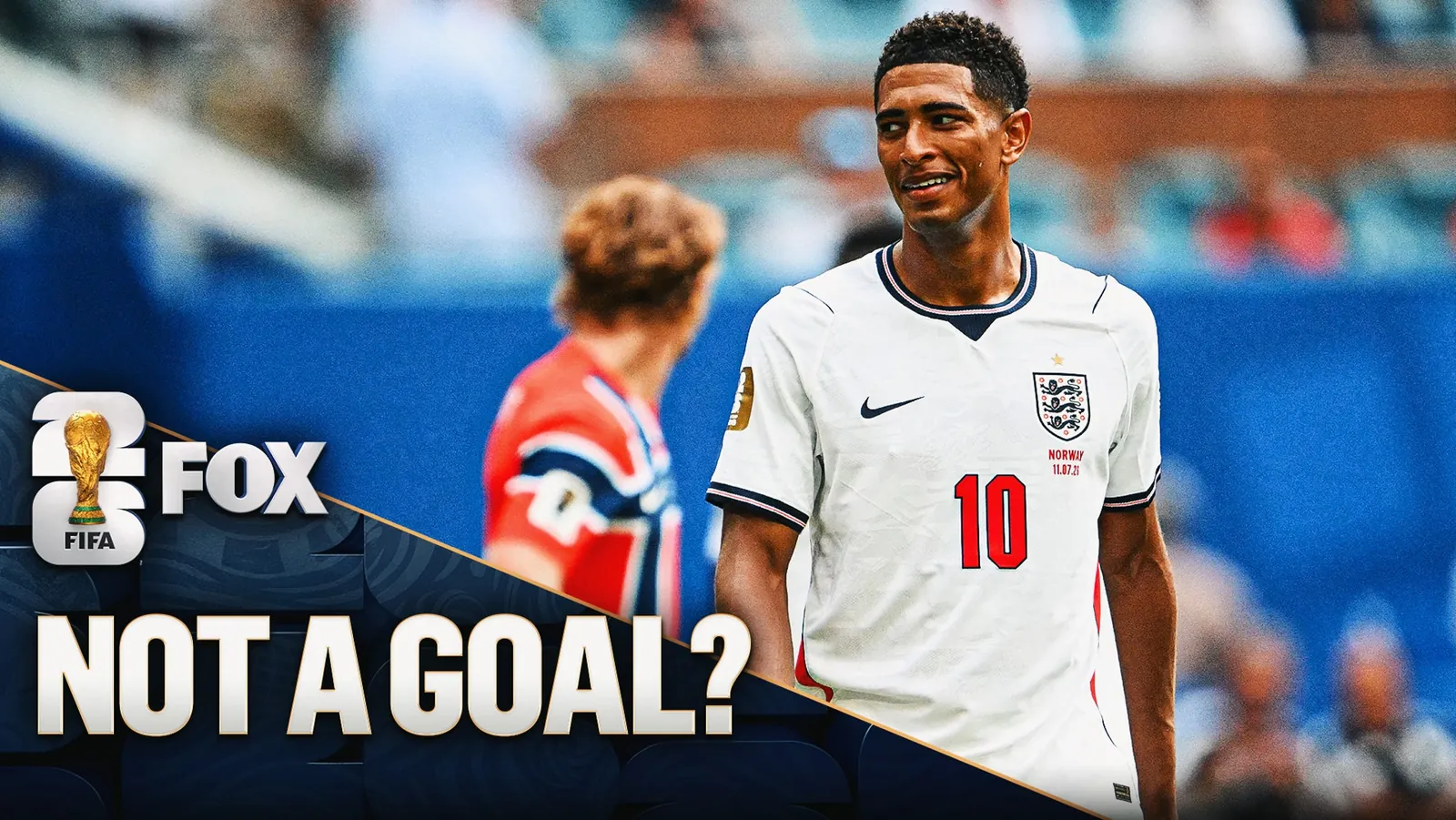
The English team faces questions regarding player fitness and fatigue, particularly concerning Declan Rice, Bellingham, and Harry Kane, as well as their ability to maintain control during matches. However, their resilience in difficult games has been noted.
Before England’s goal in minute 45+2 against Norway, the sensor in the Connected Ball showed no peak in the ‘heartbeat of the ball’ when in the air, and therefore no evidence that the ball touched the overhead wire and changed the movement of the ball.
Read Also
Source: nytimes.com