Introduction to IRS Refunds
The Internal Revenue Service (IRS) refund process is an essential aspect of the annual tax season in the United States. Millions of taxpayers anticipate their refunds each year, which can be a vital financial resource. Understanding how the IRS handles refunds, including the recent updates and timelines, can help taxpayers prepare for the upcoming filing season and manage their finances more effectively.
IRS Refund Schedule for 2023
As of 2023, the IRS has confirmed that tax returns filed electronically are typically processed faster, often allowing refunds to be issued within 21 days. This year, the IRS continues to advise taxpayers to file electronically and choose direct deposit as the quickest way to receive refunds. Despite the technological improvements, some delays may still occur due to ongoing staffing shortages and other factors resulting from the COVID-19 pandemic.
How to Check Your IRS Refund Status
Taxpayers can check the status of their IRS refunds using the ‘Where’s My Refund?’ tool available on the IRS website. To use this online tool, individuals need to provide their Social Security number, filing status, and the precise refund amount. The IRS updates this information daily, making it easy for taxpayers to stay informed about the timing of their refunds.
Common Reasons for Refund Delays
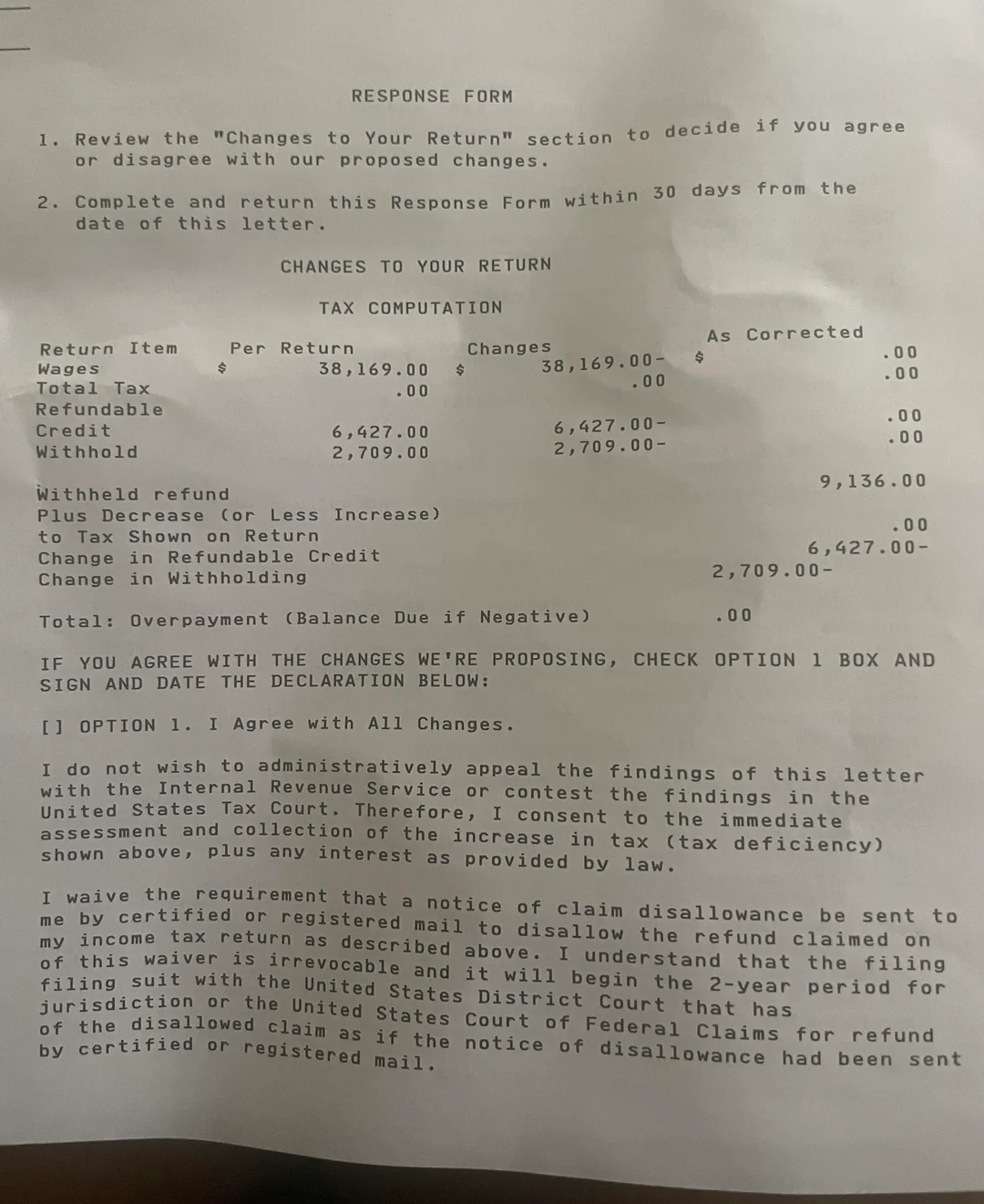
Several factors can cause delays in receiving an IRS refund. Common reasons include discrepancies in information, incomplete tax returns, or any flags triggered by the IRS for additional verification. For example, taxpayers who claimed certain credits, such as the Earned Income Tax Credit (EITC) or the Additional Child Tax Credit, may experience delays as the IRS conducts additional reviews to prevent fraud.
Conclusion: The Importance of Staying Informed
As the 2023 tax season progresses, it is crucial for taxpayers to be informed about the IRS refund process. Staying updated on potential delays and understanding how to check refund statuses can provide peace of mind and enhance financial planning. Those expecting refunds should file early, take advantage of electronic filing, and keep track of their refunds to ensure a more efficient process. With the right knowledge and preparation, taxpayers can navigate the IRS refund landscape smoothly.