Introduction
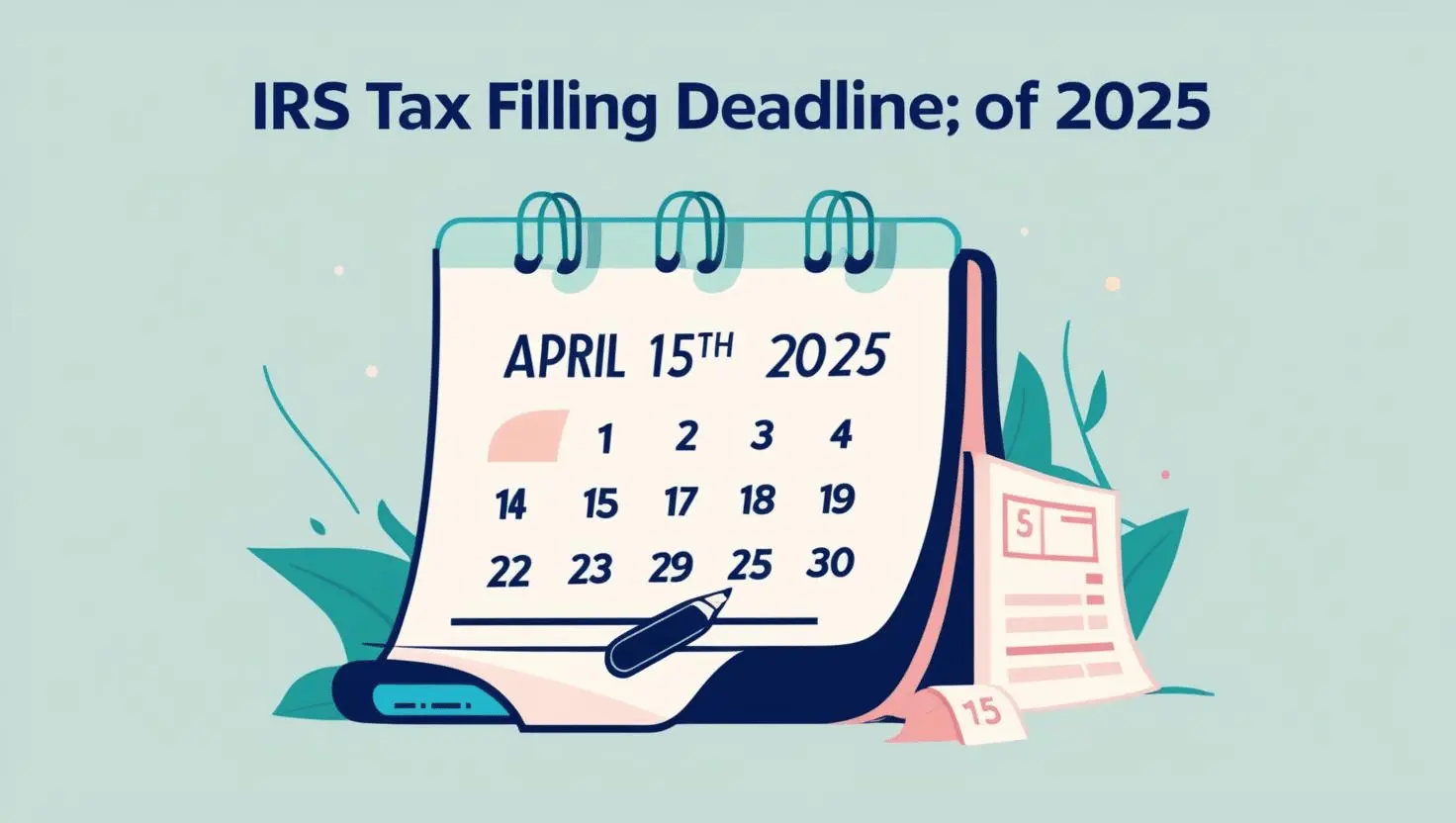
The tax filing deadline is a crucial date for taxpayers in the United States, marking the end of the tax year for individual tax returns. It is important for those filing to be aware of this deadline to avoid penalties and ensure compliance with the Internal Revenue Service (IRS). In 2023, the federal tax filing deadline is set for April 18, reflecting adjustments from previous years due to weekends and holidays.
Key Details Regarding the 2023 Tax Filing Deadline
This year, taxpayers have a slight extension as the traditional April 15 falls on a Saturday, while the following Monday is Emancipation Day, a holiday observed in Washington D.C. As a result, taxpayers will have an extra two days to file their tax returns or request an extension.
Taxpayers can file their returns electronically or via mail. The IRS recommends filing online as it is generally faster, with refunds typically processed within 21 days for those who e-file and choose direct deposit. Additionally, taxpayers should ensure they have all necessary documents ready, including W-2s, 1099s, and any relevant deductions or credits.
What Happens If You Miss the Deadline?
The consequences of failing to meet the tax filing deadline can be significant. Taxpayers who do not file on time will incur penalties, which are calculated based on the amount of tax owed. The failure-to-file penalty can be as high as 5% of the tax due for each month the return is late, capped at 25%. Moreover, interest accrues on unpaid taxes from the original due date. To minimize penalties, taxpayers are encouraged to file for an extension if they cannot meet the deadline, allowing for an additional six months to file their return, though any taxes owed must still be paid by the original deadline.
Conclusion
Staying informed of the tax filing deadline is vital for all U.S. taxpayers. The April 18, 2023, deadline provides ample time for individuals to prepare their documentation and file, ensuring compliance and avoiding costly penalties. As this date approaches, taxpayers should prioritize their financial documentation and, if needed, seek assistance from tax professionals to ease the filing process. Being proactive in managing taxes can lead to a smoother experience and peace of mind.