Introduction
The Winter Olympics have always been a stage for exceptional athleticism and competition. Among various disciplines, curling catches the interest of enthusiasts and casual viewers alike for its unique blend of strategy and teamwork. However, recent allegations of cheating within this sport have raised significant questions about the integrity of the games. Understanding these controversies is essential for fans, athletes, and governing bodies alike as they shape the future of curling on an international scale.
The Recent Controversies
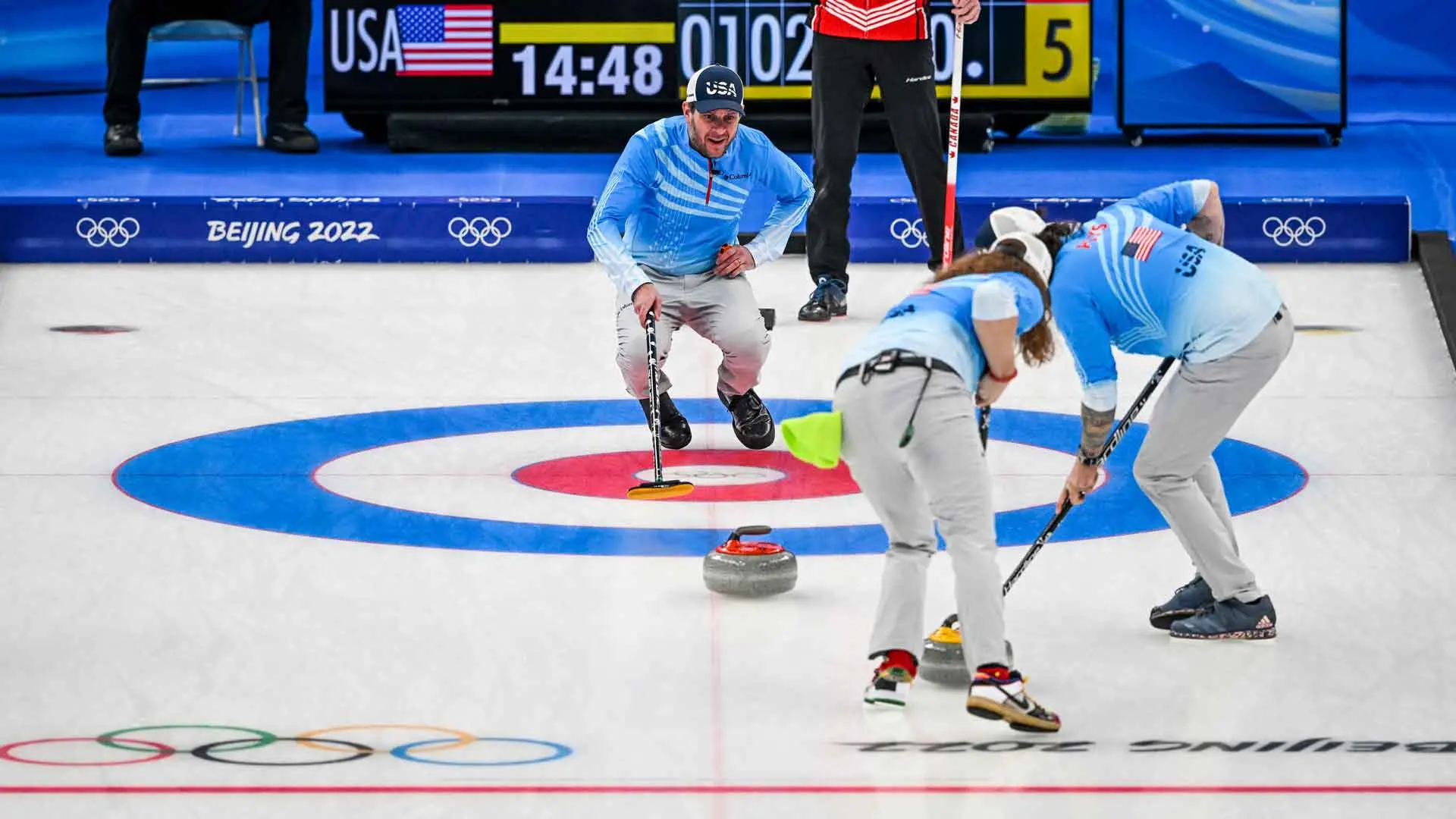
During the recent Winter Olympics held in Beijing in February 2022, the curling competitions were overshadowed by allegations of foul play. These allegations primarily revolved around techniques that allegedly gave certain teams an unfair advantage. From accusations of players manipulating the trajectory of stones to the use of sophisticated brushing techniques intended to mislead opponents, the curling community has found itself embroiled in debate.
In one high-profile incident, an athlete from the mixed doubles team faced scrutiny when footage appeared to show unusual techniques during matches that led to a sharp increase in performance. Olympic authorities quickly launched investigations to ascertain the validity of these claims, and the ruling bodies of curling stood firm on their commitment to ensuring fair play.
Impact on the Sport
The fallout from these incidents has been multifaceted. For one, the sport’s governing body, the World Curling Federation (WCF), has reiterated the importance of maintaining a clean and fair competition environment. Additionally, the controversy has led to discussions about the existing rules and regulations governing curling, prompting officials to consider strict penalties for those found guilty of cheating.
Moreover, these allegations have affected athletes’ perceptions of the sport. Many curlers expressed concerns that cheating, if not adequately addressed, could tarnish the sport’s reputation, discouraging young players from pursuing curling and disrupting the integrity of competitions worldwide.
Conclusion
As the investigation into the allegations of cheating in curling continues, it is crucial for both athletes and fans to remain vigilant about maintaining the sport’s integrity. The potential reforms arising from these incidents could reshape how curling is perceived and played, ideally making it a more equitable environment. Looking ahead, it is expected that the WCF will implement clearer guidelines and enhance monitoring techniques to safeguard against future accusations, ensuring that in the spirit of the Olympics, competition remains fair and genuine for all.