Introduction
Atlanta’s Hartsfield-Jackson International Airport (ATL) holds the title of the world’s busiest airport by passenger numbers, serving as a critical hub for both domestic and international travel. The significance of this airport extends beyond its impressive traffic statistics; it plays a vital role in connecting travelers to various destinations, boosting economic activity, and enhancing the overall travel experience.
The Airport’s Key Features
Located just 10 miles south of downtown Atlanta, ATL has served as a major gateway for travelers since its opening in 1929. In 2022, the airport reported over 93 million passengers passing through its terminals, making it a leader in global air travel. ATL is home to over 207 domestic and international gates and supports flight operations from more than 200 airlines, including Delta Air Lines, which uses the airport as its primary hub.
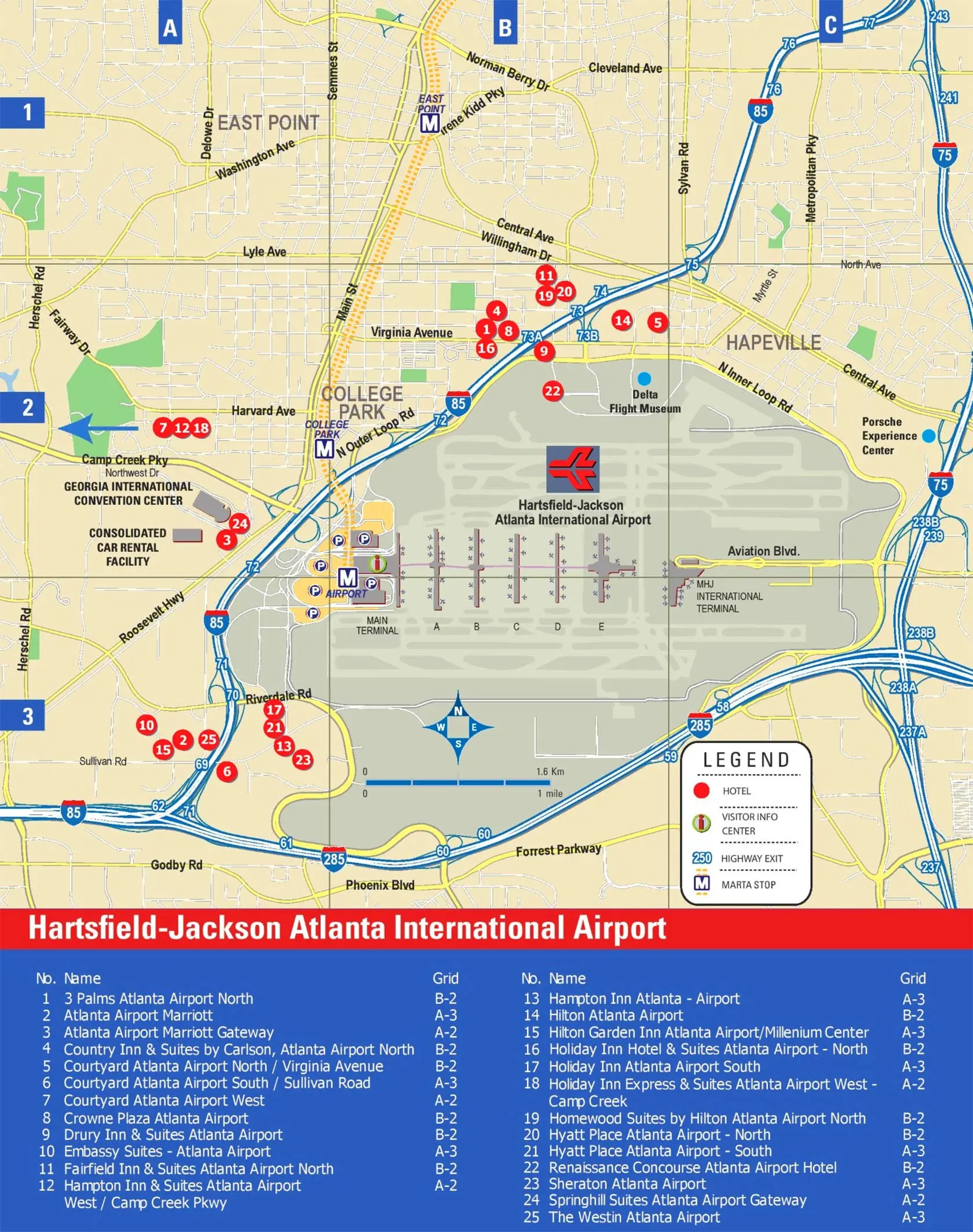
Hartsfield-Jackson features two parallel runways and a multi-terminal layout that facilitates efficient passenger flow. The airport’s extensive transportation network includes the MARTA transit system, providing convenient access to downtown Atlanta and surrounding areas. Additionally, a variety of amenities, such as dining options and shopping outlets, contribute to enhancing the traveler experience.
Recent Developments
In recent months, ATL has been undergoing significant renovations and expansions to accommodate growing passenger numbers and improve facilities. These enhancements include upgrades to security screening processes and expansions of the domestic terminal. The airport has also taken steps to address sustainability through environmentally friendly practices, like energy-efficient lighting and improved waste management systems.
Moreover, amidst rising travel demand post-pandemic, Atlanta Airport is setting up a program aimed at streamlining the check-in and security processes for travelers, thus ensuring a smoother journey for its users. The airport has successfully focused on deploying advanced technologies, such as biometric screening, which has proven effective in reducing waiting times.
Conclusion
The importance of Atlanta Airport as a travel hub cannot be overstated. As cities and countries continue to recover from the impacts of the COVID-19 pandemic, ATL remains at the forefront of fostering global connectivity. Its ongoing enhancements and focus on passenger experience position the airport well for the future. Looking ahead, the airport is likely to maintain its status not only as the busiest in the world but also as a model of efficiency and innovation in air travel, making it essential for travelers and businesses alike.